
WORCESTER—With the largest portion of the city’s budget on the line, Worcester Public Schools released its proposed $586.3 million budget for fiscal year 2026 late Friday, signaling a 6.1% increase over the current year — but no anticipated layoffs.
The budget, unveiled in a 200-plus page “budget book,” includes funding increases tied to rising student enrollment, state education aid, and the continued rollout of the state’s Student Opportunity Act. The proposal is reviewed over several public meetings in May and June before a scheduled vote on June 18.
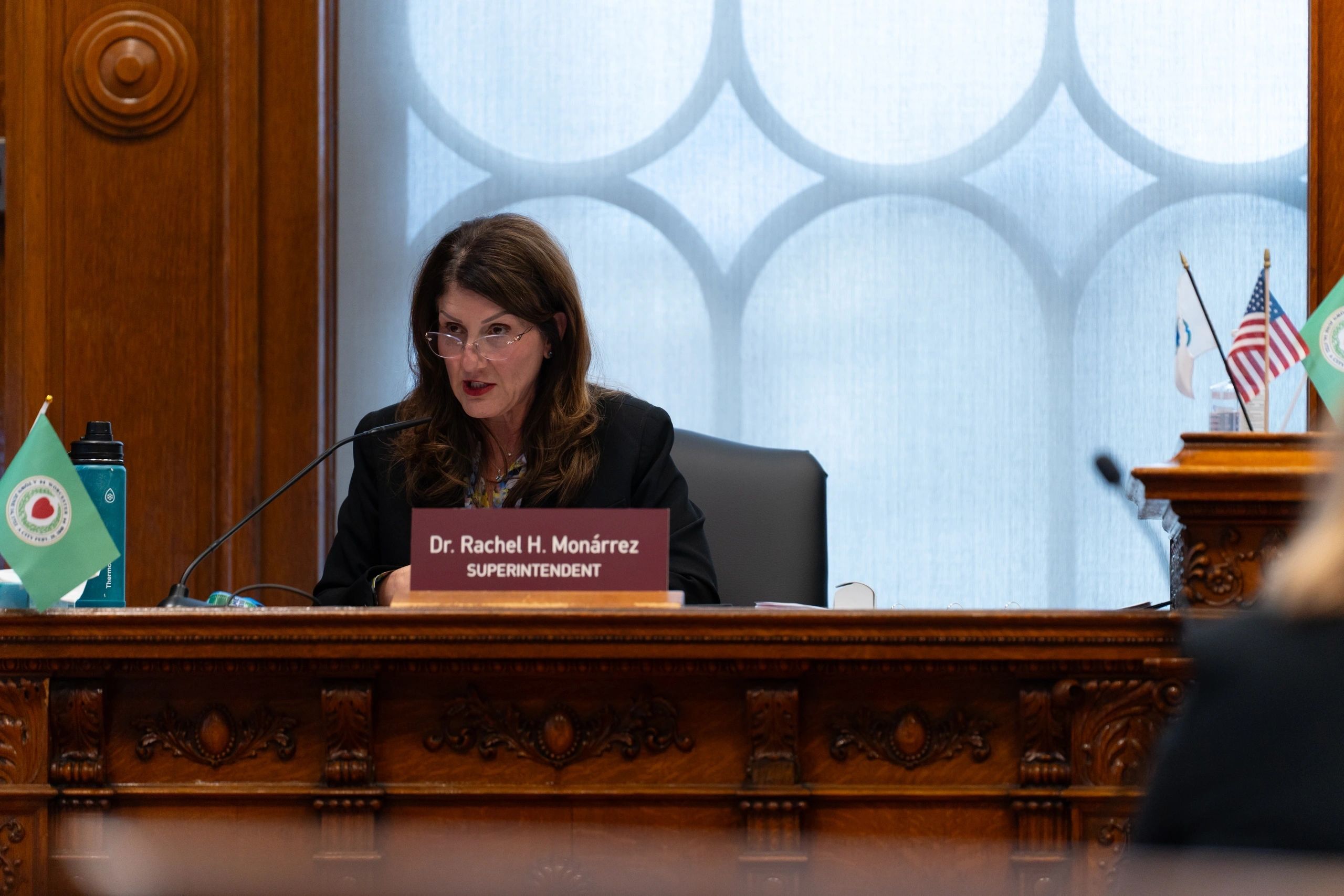
“While factors such as inflation reimbursement and health benefits pose a challenge, we are building upon a strong foundation to ensure funding is used in the most effective manner possible, now and in the future,” said Superintendent Dr. Rachel H. Monárrez in a statement.
Deputy Superintendent Brian Allen — who will take over as superintendent on July 1 — said there will be a continued focus on supporting students and educators.
“This budget prioritizes classroom investments, including common planning time and textbook and technology purchases, despite ongoing challenges,” Allen said. “Through it all, we are putting educator voice at the forefront and ensuring our budget is rooted in the district’s Vision of a Learner and strategic plan priorities.”
New year, new Focus
This year’s proposal marks the debut of Worcester’s “equity-based budgeting” model, designed by Monárrez and Allen. The new framework prioritizes schools with the greatest needs and is set to continue in future years.
One result: the district plans to add eight culture and climate assistants at secondary schools to support school safety and student well-being, and invest $240,000 to expand common planning time at six high-needs elementary schools. The goal is to free up educators from duties like hallway or bathroom monitoring to focus on instructional planning.
Maintaining student services
Despite the tight financial climate, the district plans to maintain:
- A 21-to-1 average student-teacher ratio
- Equitable caseloads for special education teachers
- The recommended 250-to-1 student-to-counselor ratio
- All nurse and athletic programs
- One-to-one student technology access via a lease of 6,000 new Chromebooks
- Spark summer school and after-school programming
- Late buses at all secondary schools
- Maintenance staffing and facilities support
WPS is also purchasing new secondary math textbooks and fund safety improvements identified in a recent school safety audit.
Tracking federal funds and watching Beacon Hill
Roughly 9% of the district’s budget — more than $53 million — comes from federal sources. WPS says it is closely monitoring decisions in Washington that could impact that funding. At the state level, legislative changes could also adjust the final amount the district receives before the budget is finalized.
Enrollment growth has helped boost state aid. WPS counted 24,778 students this year, up from 24,350 the previous year. Worcester is entering year five of a six-year phase-in of the Student Opportunity Act and expects $17.3 million from that source.
Administrative spending still lean
Administrative spending remains a small slice of the pie — just 1.3% of the WPS budget. The district spends $495 per pupil on administration, well below most other urban Massachusetts districts.
Two new administrative positions are being created by reallocating existing roles:
- A student placement and enrollment administrator to modernize school registration and improve family experience
- A director of culture and climate to support school climate efforts districtwide
The big(ger) picture
With education comprising the largest share of Worcester’s overall city budget (more than 60%), the WPS proposal is likely to shape — and be shaped by — broader municipal financial decisions.
Public input opportunities begin May 19, followed by joint discussions with the city council on May 27. The budget vote is scheduled for June 18. The fiscal year begins July 1.
Have news, tips, or a story worth telling? Reach Editor Charlene Arsenault at carsenault@theworcesterguardian.org—because good stories (and great scoops) deserve to be shared.
- The Worcester Guardian is an independent nonprofit news organization. Support local journalism by making a DONATION today.