
Matt Olszewski
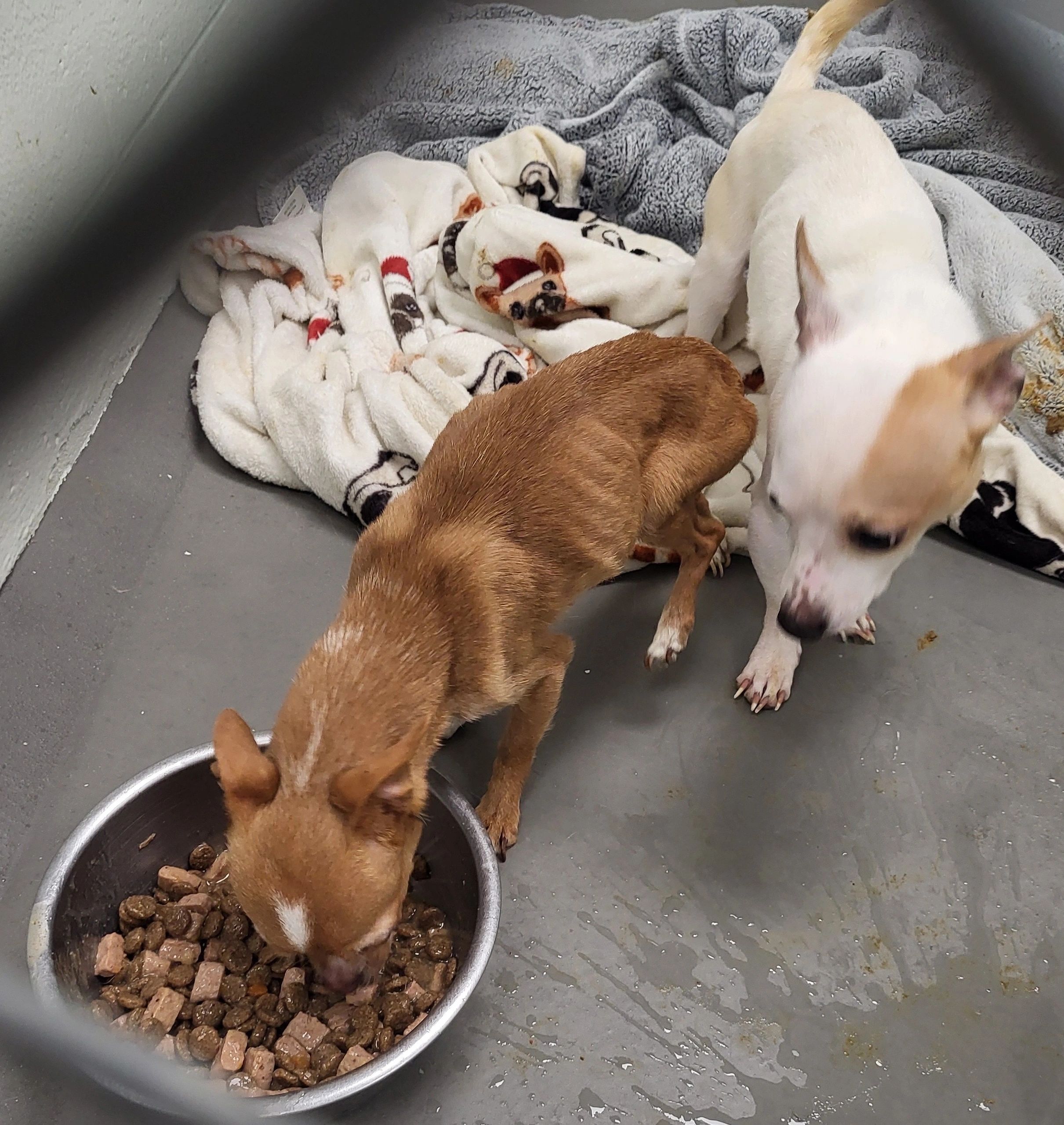
WORCESTER—In early February 2025, Worcester animal control officers responded to a call on Grafton Street, where two small dogs had been abandoned in a cardboard box. A passerby had spotted the box and flagged down help. Inside were two frightened chihuahuas, curled up and shaking.
As in hundreds of instances before, animal control got the dogs to safety for the required seven-day hold. But this time, they didn’t go to the Worcester Animal Rescue League (WARL), where the city’s stray pets had long been taken. Instead, they were brought to Broken Tail Rescue, vetted, placed into foster care, and eventually adopted into new homes.
This case reflects a broader shift that many in Worcester’s animal welfare community and beyond have begun to notice: stray dogs and cats picked up by the city are no longer routinely taken to WARL. That change began in late 2024, when the longtime shelter—facing space constraints—temporarily halted intake after reaching capacity.
While WARL still plays a vital role and hopes to resume intakes as space allows, the city’s process for managing strays has evolved. With an increase in abandoned animals and ongoing need for foster homes and shelter space, the city is relying more heavily on a network of rescue groups and volunteers to step in and provide care.
“The state stopped [WARL] from taking in any more animals in November because they were over capacity, and they had to make upgrades to their facility,” Joe Cersosimo, communications specialist at the Worcester Police Department (WPD), explained to the Worcester Guardian.
WARL has taken in a few hundred animals in the past year, and the WPD and animal control have been actively managing the crisis. Other shelters have been taking in animals as well. “Since November, we have picked up more than 100 dogs,” Cersosimo noted. “It varies week by week.”
The issue of strays has prompted a coordinated response, with local animal welfare organizations and law enforcement working collaboratively to address the challenge.
“We have a temporary shelter, and we are working with multiple rescues in central Massachusetts,” said Cersosimo. “Most of the dogs were sent to foster families who adopt them out. The WPD has to send dogs to shelters or rescues. We have been using rescues. They have their own guidelines to adopt the animals to loving families.”
The process for handling stray dogs follows specific protocols. When residents see a stray dog, they typically contact either animal control or WARL. If WARL receives the call, they coordinate with animal control for pickup. Massachusetts law requires animal control to hold pets for at least seven days while attempting to locate the owner.
Unlike stray dogs, any stray cats found in Worcester are brought to Broken Tail Rescue. “Any dogs that are on the street, we refer them to animal control,” said Joy Chalmers, founder of Broken Tail Rescue in Worcester. “Dogs we don’t take right off the street, but we do take them from animal control when they’re done with their seven-day hold.”
“Animal control officers pick up the animals,” Cersosimo added. “They are not actual police officers and have not been through a police academy. We are responding to all animal calls and are working with our partners to place these dogs, so they don’t have to stay in a shelter long-term.”
WARL reported that some owners abandon their pets by tying them to telephone poles, while others attempt to surrender their own dogs under the guise of finding strays. While Massachusetts law imposes fines for pet abandonment, identifying and holding owners accountable is challenging, according to WARL.
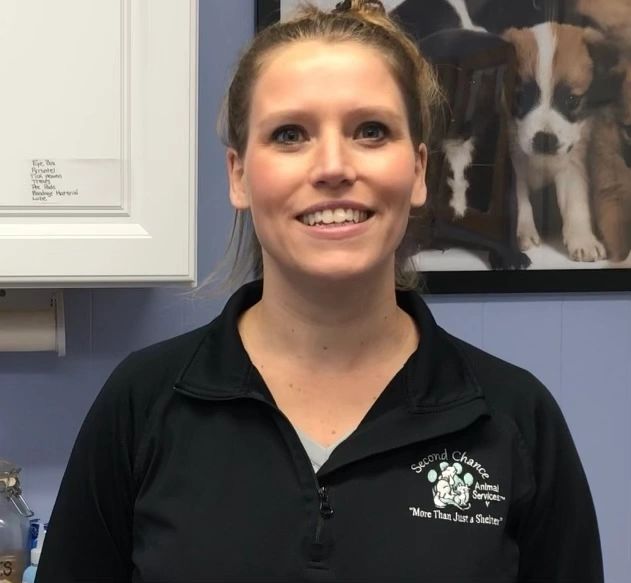
Second Chance Animal Services has also stepped up to help deal with the crisis, taking in some of the Worcester strays. Lindsay Doray, chief development officer at the organization, pointed to accessibility of veterinary care as a crucial factor: “We do offer subsidized veterinary pricing to low income families,” she said. “Most people don’t have pet insurance, and some people just simply can’t afford that extra money every month to not know if they’re going to use it.”
She added, “Access to care is huge. There are animals that end up becoming strays, and it’s because the owner doesn’t know where to turn. Access to care is what helps to get them the care that they need, so that the animal is not suffering in the community.”
Second Chance maintains specific standards for adoption. “Whether they come in from animal control or a private home or another shelter or rescue,” said Doray, “we make sure that all animals that we adopt out are up to date on vaccines. They’re spayed or neutered, they’re microchipped, they’re flea treated, they’re dewormed. If they have something going on medically we take care of that.”
The organization provides additional support through their adoption center. “We have an adoption center in East Brookfield,” Doray added. “So we do take in animals there from animal controls, overcrowded shelters, people in the community that can no longer care for them, and then we find them new homes.”
The adoption process includes a screening process of potential owners. For renters, this involves background checks with landlords to ensure pets are permitted in the residence. In addition, both WARL and partner organizations ensure all dogs are healthy and safe before placement in new homes.
“Cats we do take right off the street,” said Chalmers. “They still have to be reported to animal control. We scan them for a microchip, sometimes we post them online to see if neighbors know them. We go through the lost cat postings to see if we can identify it too. We do the vetting for cats before putting them up for adoption.”
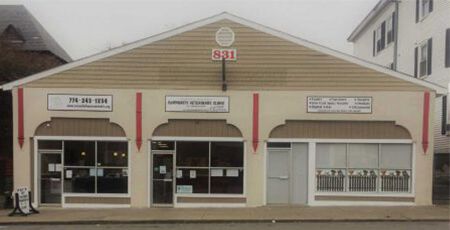
Chalmers said the majority of animals found on the streets are not adopted from shelters and have not provided spayed or neutering services to their pets. “I don’t know if it’s an issue of vet care or behavioral issues due to them not being fixed,” Chalmers said. “I really don’t know why someone’s dog would go missing and they wouldn’t find it.”
WARL plans to resume taking in animals once their current population decreases and facility upgrades are completed. Residents should call Worcester dispatch at 508-799-8606 to report a case of animal cruelty, a stray, missing pet or related issues. “People should call the various rescues in the area if they want to surrender an animal,” said Cersosimo.
Worcester Animal Rescue League declined a request for an interview.