
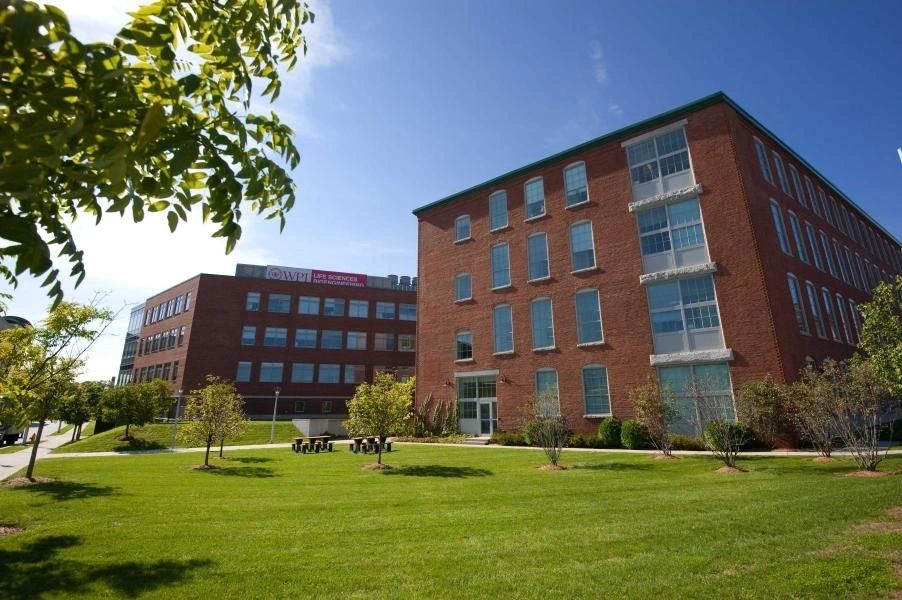
WORCESTER—After months of debate and concerns from city leaders and business stakeholders, Worcester Polytechnic Institute (WPI) announced over the weekend that the school and the City of Worcester have come to a resolution regarding WPI’s acquisition of the Hampton Inn and Courtyard Marriott hotels.
The agreement addresses longstanding concerns about the impact on Worcester’s tourism and housing markets while supporting the university’s mission and its students.
In a statement released by WPI, the university highlighted the mutual benefits of the agreement, emphasizing collaboration as a cornerstone of their relationship with Worcester. “For 159 years, WPI’s mission has centered on creating value for all members of the community,” the statement read.
Key terms of the agreement
- Both hotels will remain on the city’s property and hotel tax rolls while operational as hotels.
- The Hampton Inn will transition to student housing in 2026, with WPI paying taxes equivalent to pre-conversion rates through 2029. Afterward, voluntary payments will decrease to 50% of the pre-conversion tax rate until 2034.
- The Courtyard Marriott will remain a hotel until at least 2030, contributing to the city’s hotel stock during that time.
- WPI will collaborate with the city to identify developers for additional hotel projects and new opportunities at Gateway Park.
- A new Academic Civic Collaborative will focus on Worcester-based student projects, aligning academic work with city priorities.
This resolution comes amid widespread concern over Worcester’s limited hotel capacity and its implications for the city’s tourism-driven economy. Tourism advocates previously expressed alarm over the potential loss of 234 hotel rooms, noting the strain it could place on events at the DCU Center and other venues.
Sandy Dunn, general manager of the DCU Center, previously warned that such changes could hinder Worcester’s ability to secure major conventions and sporting events, citing the NCAA hockey tournament as a recent example of the city’s struggles to accommodate visitors.
In its statement on Nov. 16, WPI reiterated its commitment to Worcester, highlighting ongoing investments in community projects and the positive economic impact of its presence. These include an $815,000 annual Payment In Lieu of Taxes (PILOT), community service initiatives, and millions in grants and business spending locally.
This resolution follows months of contentious discussions sparked by WPI’s initial announcement in August of its intent to purchase the hotels. The announcement prompted pushback from city officials and business leaders, who expressed concerns about the ripple effects on Worcester’s economy.
In August shortly after the news broke, city officials and business leaders expressed strong opposition to WPI’s announcement to purchase and convert the Hampton Inn and Courtyard Marriott hotels into student housing.
A letter from Worcester’s mayor, city manager, and other economic development leaders called the plan “stunning” and argued it could undermine the Gateway Park redevelopment project, which has received substantial public and private investment. They raised concerns about the loss of hotel tax revenue, reduced lodging capacity impacting events at the DCU Center and Polar Park, and potential job losses.
The letter emphasized that Gateway Park was designed as a mixed-use district to spur economic growth, with investments totaling $170 million, including the hotels now slated for conversion. City officials warned that the move would jeopardize partnerships between the city and higher education institutions while calling for WPI to collaborate on alternative solutions for student housing needs.
In response to the criticism, WPI on Monday, Aug. 26, sent a detailed letter to its community, explaining the rationale behind the decision and addressing the concerns raised. WPI acknowledged the frustrations but emphasized that the acquisition was part of a long-term strategy to address a looming student housing shortage.
With Worcester’s hotel inventory already limited compared to similarly sized cities, the potential loss of rooms raised questions about the city’s ability to compete for conventions, sporting events, and tourism dollars.
Monique Joseph, president of Discover Central Massachusetts, had stressed the critical role of tourism in Worcester’s economy, which generated $446.5 million in spending in 2022. “This is not just about hotel rooms; it’s about the broader economic impact,” Joseph said at the time.
While the Hampton Inn will eventually serve as student housing, WPI said that its efforts to retain the Courtyard Marriott as a hotel until 2030 demonstrate a compromise to support tourism and event hosting.
Editor Charlene Arsenault can be reached at carsenault@theworcesterguardian.org
