
For many teens, summer is a time for graduation parties, preparing for a new school year or college, and spending more time with friends. Following a record number of road trips this Memorial Day weekend, the busy travel season also increases the risk for teen drivers.
The “100 Deadliest Days,” from Memorial Day to Labor Day, is when fatal crashes involving teen drivers are most frequent. According to the AAA Foundation for Traffic Safety’s analysis of NHTSA data, 7,435 people died in teen driver-related crashes during the summer from 2013 to 2022. In 2022 alone, 790 people were killed in these crashes, a 10% increase over 2019. Recent data shows that both the number of teen drivers involved in fatal crashes and the fatalities from these crashes rose from 2021 to 2022.
In Massachusetts, 167 teen drivers were involved in fatal crashes from 2013 to 2022, resulting in 182 deaths. Risky behaviors such as speeding, texting, and running red lights are major contributors to these accidents, according to the AAA Foundation Traffic Safety Culture Index.
In a look at Worcester County numbers, AAA reports there were 43 fatal crashes from 2013-2022. Here’s how that breaks down:
- 2013 – 6
- 2014 – 6
- 2015 – 3
- 2016 – 8
- 2017 – 4
- 2018 – 2
- 2019 – 2
- 2020 – 5
………………………………
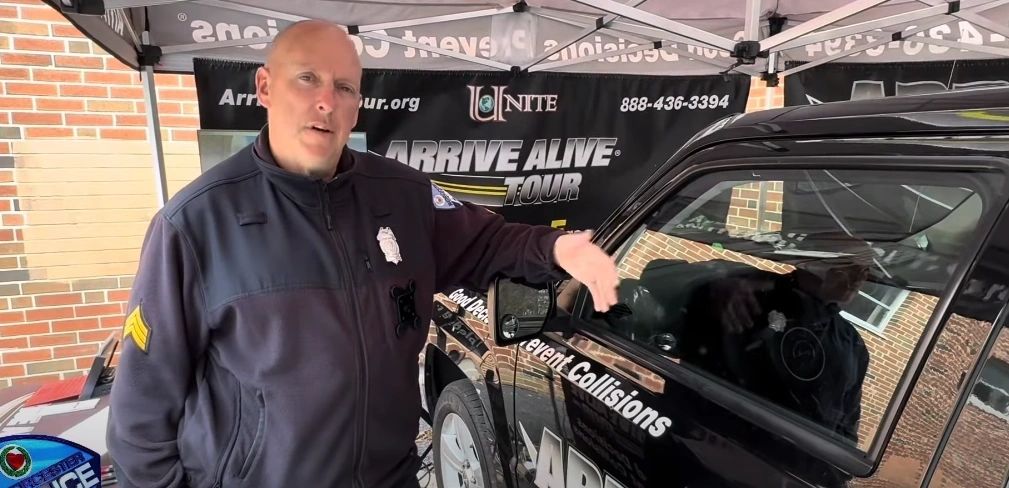
“I spoke with our traffic division about some of the ways the WPD is working to keep teens safe on the roads this summer,” Joe Cersosimo, WPD’s communication specialist, told the Worcester Guardian. “The WPD will be enforcing speeding, distracted driving, and seatbelt violations. Proactive strategies include Arrive Alive and Eyes Up Phones Down.”
Arrive Alive recently visited several high schools in the city to show teens the dangers of distracted driving
Eyes Up Phones Down is on ongoing program involving the WPD, DA Early’s office, MassDot, AAA and Safe Roads Alliance.
“The goal is to educate drivers of all ages about the dangers of cell phone use while driving and to remind them of the state’s hands-free law,” said Cersosimo. “Drivers found using their phones are given a pamphlet reminding them of the law. We are also posting about Eyes Up Phones Down every week on our social media channels.”
To combat dangerous trends in teen driving, AAA Northeast encourages teens to find personal motivations for driving safely this summer.
At the recent AAA Northeast Teen Safety Summit in New York, high school students shared their reasons for practicing safe driving, highlighting family, friends, graduation, and achieving life goals as top motivators.
“For many teen drivers, summer brings more free time with friends and plenty of potential distractions, such as phone use and multiple teen passengers — all of which increase their crash risk,” said Mark Schieldrop, senior spokesperson, AAA Northeast, in a statement. “Any time is the right time for parents and caregivers to talk with their teens about risky driving behaviors, the importance of continued driving practice to develop their skills and the many reasons they have to stay safe on the road this summer and beyond.”
For families aiming to get their teens licensed this summer, AAA provides valuable tips for selecting a high-quality driving school:
- Choose a school, like the AAA Driver Training School, that is a member of a professional association. This indicates that the school cares about the driver instruction profession and is staying up to date on the latest safety trends. Relevant associations include national associations, such as The American Driver and Traffic Safety Education Association (ADTSEA) and The Driving School Association of the Americas (DSAA), as well as state- and regional-level associations.
- Find a school that uses a curriculum that meets the national standards for curriculum content and includes modern topics, including:
- Advanced vehicle technology, such as Rear Cross Traffic Alert and Lane Keeping Assist.
- Sharing the road with vulnerable road users, such as cyclists, pedestrians and motorcycles — plus Slow Down, Move Over laws.
- The impact of cannabis on driving abilities.
- Take advantage of parent sessions hosted by driving schools, which will provide you with current information about your role, both as a driving coach during practice and as the manager of your teen’s driving when they start to drive on their own.
Charlene Arsenault can be reached at carsenault@theworcesterguardian.org
