
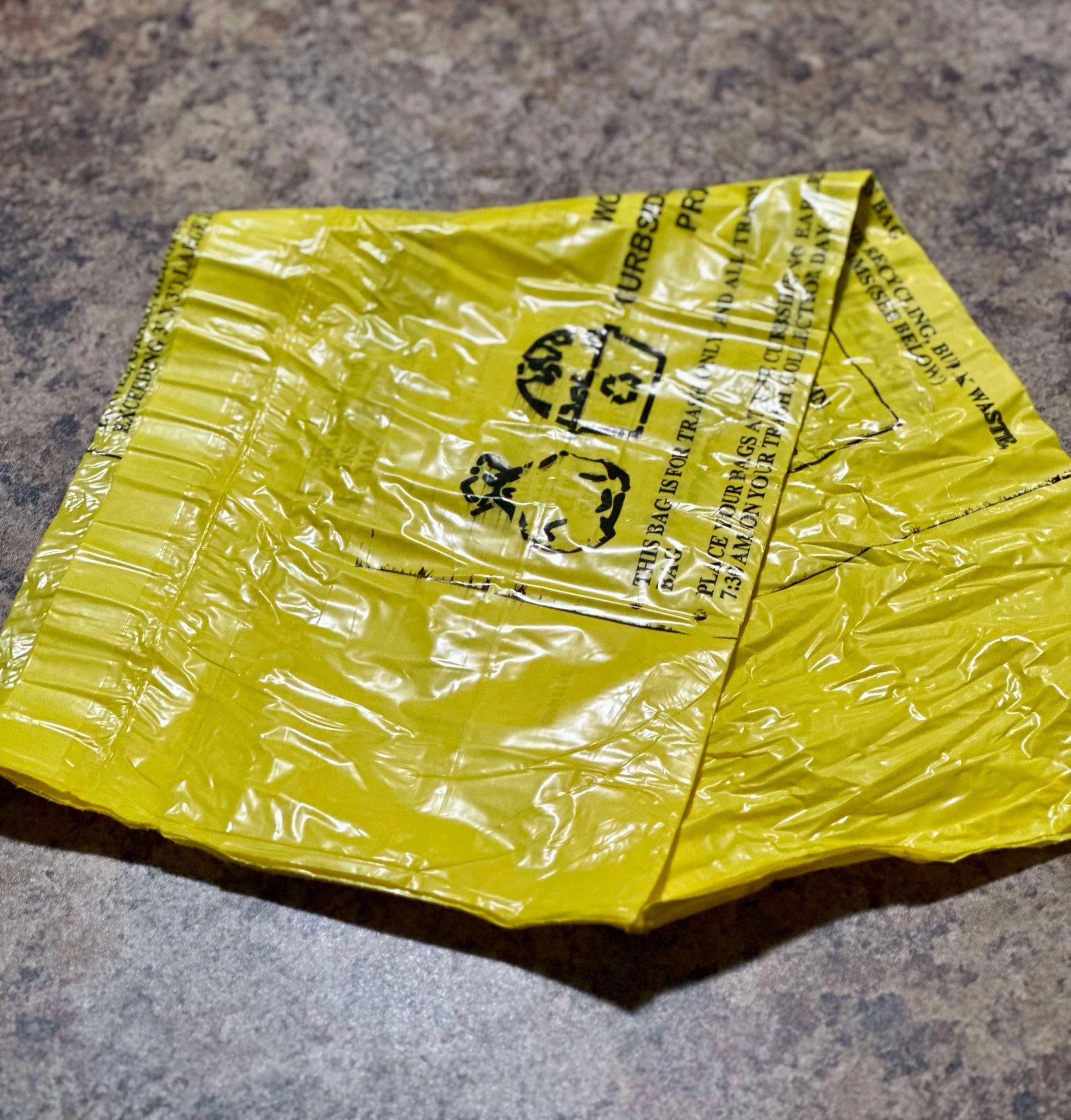
WORCESTER—Worcester’s Pay-As-You-Throw (PAYT) trash pickup program has been the standard for 30 years, achieving significant milestones, but also facing challenges in keeping the city clean.
According to an April council memo addressed to City Manager Eric Batista, the program has led to a 42 percent reduction in trash and a 92 percent increase in recycling since its inception in 1993. Worcester households produce an average of 876 pounds of trash per year, significantly lower than the double or triple amounts generated by households in Boston and Providence.
Still, some argue there is room for improvement in Worcester’s trash and recycling system to encourage greater participation and achieve cleaner outcomes. In fact, about a year ago, District 3 Councilor George Russell recommended to the city manager to consider an alternative to the current system, suggesting that residents be allowed to use their own bags for trash disposal, similar to the system in Boston.
“That would have been quite a shift of the budget from the fees that are collected on the trash bags, so it would have had to be made up in the form of different taxes,” said Russell.
Currently, Worcester residents are required to use these specific yellow bags that can be purchased from stores or the new vending machine at the city’s 311 customer service center. The city has tried to make it easier to get these bags so people don’t have to wait in long lines. The vending machine sells big yellow trash bags at $8.75 for five, and small ones at $10 for ten.
“The vending machine will only take cash for now,” said Charles Goodwin, city director of Emergency Communications and Management. “We’ll see how it goes and maybe add more if it works well. We talked to lots of neighborhood associations and other people about this idea and we rolled with it.”
Despite the relative success of the PAYT trash pickup program, some residents have raised concerns about its cost and accessibility. The price of the designated bags, which are required for trash disposal, has been a point of contention for many. Residents argue that the cost of these bags adds up, especially for larger households, and can become a financial burden.
Additionally, the bags are not always easy to obtain, as they are only sold at specific locations, leading to inconvenience for residents who may not have easy access to those points of sale.
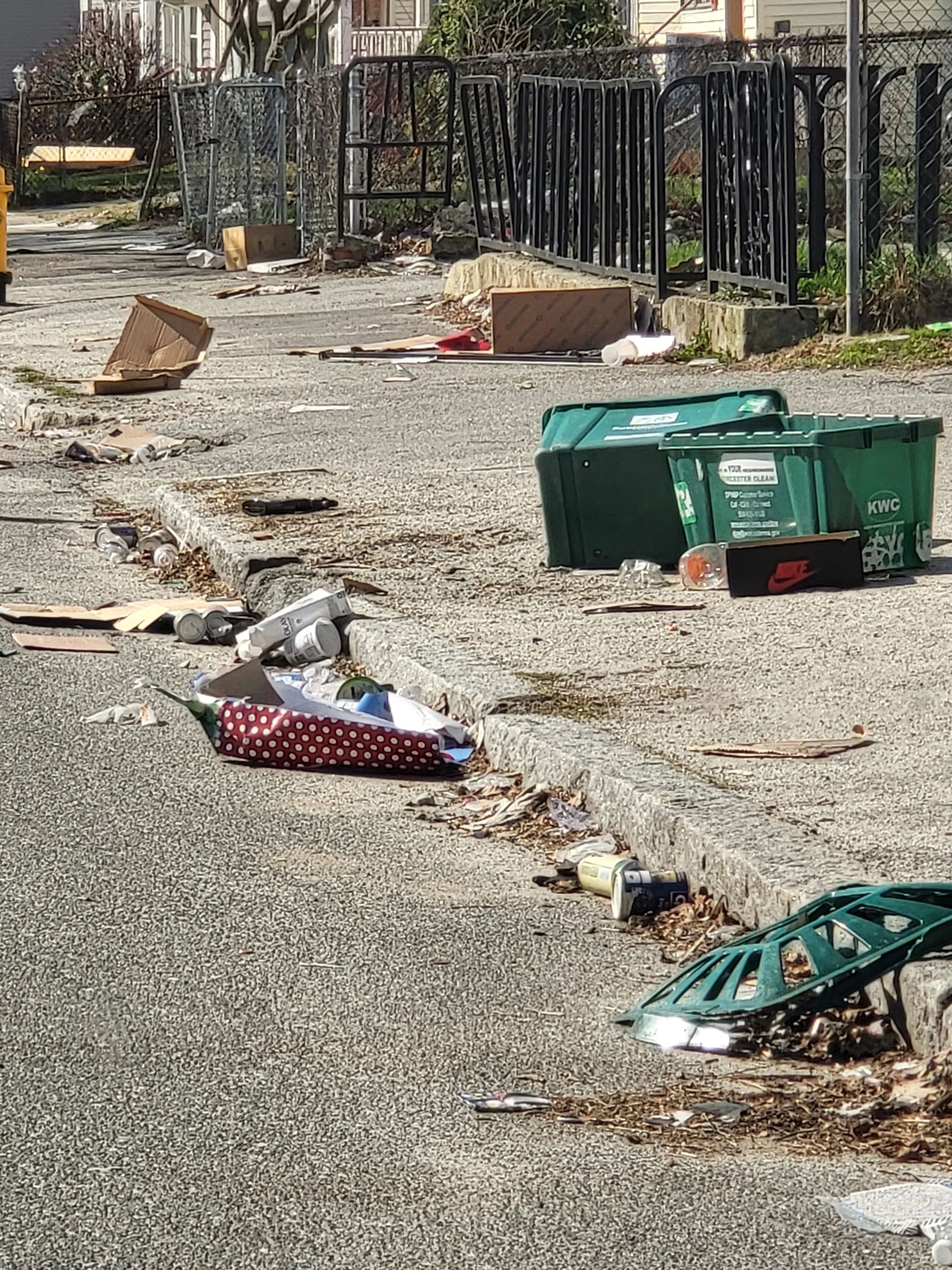
This combination of cost and accessibility issues has led to some residents opting not to effectively use the PAYT system as intended. Instead, they may resort to improper disposal methods, contributing to litter and trash accumulation in the city.
“I do not like the fact that we have to pay for the bags and they’re weighted,” said Bethany Mann. “I fill my bags to the top so I can make the most of the bags I’m spending money on. And the price of them for such little bags is ridiculous. They should be free. That’s why most neighborhoods are dirty; some of us can’t afford to buy them all the time.”
Along with Russell, there is a growing call for the city to address these challenges by considering alternatives that might include reducing the cost of the bags, increasing their availability, or even exploring different methods of trash collection that do not rely on a bag-based system.
Russell pointed out that even with the new bins that have been placed in the city, residents still tend to overload them.
“They don’t understand that they can walk into a Home Depot, Grafton Square Hardware, or other hardware stores to buy another plastic container up to 30 gallons,” he said. “They can put their recycling in more than just one bin, limiting overflow of items.”
He also mentioned that putting trash out too early can cause problems. Animals can rip open bags, causing trash to spill onto sidewalks and streets. While he believes the trash pickup crews do a good job every week, he thinks more needs to be done to keep Worcester clean.
“The item I had on the agenda last week was asking the city administration to consider a more robust schedule of street sweeping in our urban neighborhoods,” Russell explained. “Right now, we only sweep the streets twice per year – once in the spring and once in the fall. In the urban neighborhoods, we should be street sweeping every few weeks. Perhaps someone beforehand could blow stuff off the sidewalks/curbs onto the streets to make it easier for the street sweeper to pick up everything.”
“We should do street cleaning more than once a year,” Mann added. “Possibly once a month. I know it’ll cost a lot especially when they bring towers for cars that don’t move but it would really help all the trash and sticks and stuff to be picked up.”
According to Russell, cleanliness issues are most pronounced in densely populated urban neighborhoods, in which small, 5,000 square foot-lots are often shared by four families. Compounding the problem, the trash pickup company has been known to leave behind trash that is not properly contained within the designated bags, explained Mann..
“I have trash on my sidewalk for days until the Department of Public Works comes by to grab it,” she said.
“We could absolutely use more public trash cans in many areas,” said Rachael Ellis, a Worcester resident. “I think we could improve upon adding bins for our trash rather than bags to keep the streets cleaner. It would be easier to have bins to put out the night before. We could also use better quality bags.”
Lastly, Russell highlighted a significant issue with the current trash bag system affecting local merchants, arguing that the payment structure of these bags should change.
“Three percent is charged to the merchant for running the charge through a debit or credit card company,” he said. “The city is getting their money, but the merchants are losing money with every transaction they make. The city should be allowing these merchants to recoup the money they’re losing, especially given that lots of people don’t carry cash. I talked with the owner of a hardware store and he estimates that he’s losing at least $1,000 a year selling these trash bags.”
The pricing structure of the bags was just raised about two years ago, so Russell does not envision the bag fees changing anytime soon. Despite complaints on pricing and cleanliness, the city has avoided over 586,000 tons of trash over the past 30 years, resulting in a savings of over $67 million. Other towns, such as Shirley have seen a 28% increase in trash production after abandoning their PAYT program.
The pricing structure of the bags was increased about two years ago. And although complaints about pricing and cleanliness persist, Worcester’s PAYT program has successfully diverted more than 586,000 tons of trash in the past 30 years, saving the city more than $67 million, say officials. In contrast, other towns, such as Shirley, experienced a 28 percent increase in trash production after discontinuing their PAYT programs.
Despite no easy solution, the city council plans to address Russell’s petition about cleanliness and street cleaning frequency while targeting other residents’ concerns. Meanwhile, the pricing structure of yellow trash bags is not expected to change.
Matt Olszewski is a freelance content and news writer based in Boston, MA. In his free time, Matt enjoys running, hiking or skiing. Matt is currently finishing up the MPH degree program at Tufts University. He can be reached at mattoskier@gmail.com
As the Worcester Guardian marks more than half a year of delivering free, independent digital news to our city, our dedication to this mission strengthens. Please consider a tax-deductible donation to support our ongoing commitment to providing hyperlocal news coverage to Worcester. Scroll to the bottom of our home page to sign up for our daily newsletter