
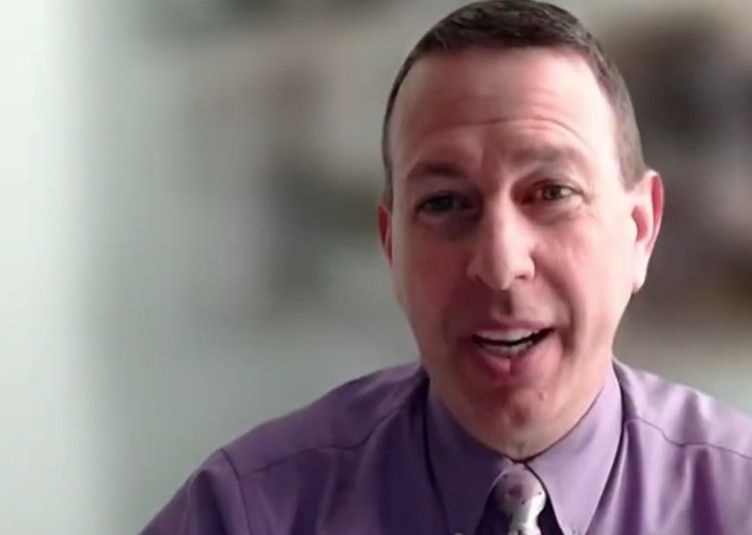
WORCESTER—Dr. Wayne Altman was visiting a family member in a Boston-area emergency room when he counted 85 people waiting for care. And, by his own account, had to be talked out of trying to make rounds himself.
To Altman, a Tufts University family medicine professor and former Worcester resident, a crowded waiting room isn’t just an emergency department problem. It’s a primary care problem.
Too many patients, he told Worcester officials, cannot get timely access to a doctor before their conditions worsen, leaving hospitals to absorb care that could have been handled earlier—and more effectively—elsewhere.
Local physicians and officials say Worcester is seeing the same pattern. Former city medical director Dr. Michael Hirsh told councilors earlier this month that emergency departments are increasingly crowded with patients whose needs could often be addressed in a primary care setting, while long wait times and hallway care have become more common.
Against that backdrop, the Worcester City Council voted Tuesday to endorse three state bills aimed at expanding access to primary care, reducing costs for patients and addressing a growing shortage of primary care physicians.
The legislation—known collectively as Primary Care for You, or PC4YOU—includes H.1370, filed by Rep. Rich Haggerty; H.2537, filed by Rep. Greg Schwartz; and S.867, filed by Sen. Cindy Friedman. The proposals would allow participating practices to offer primary care without copays or deductibles and shift more health care funding toward primary care services.
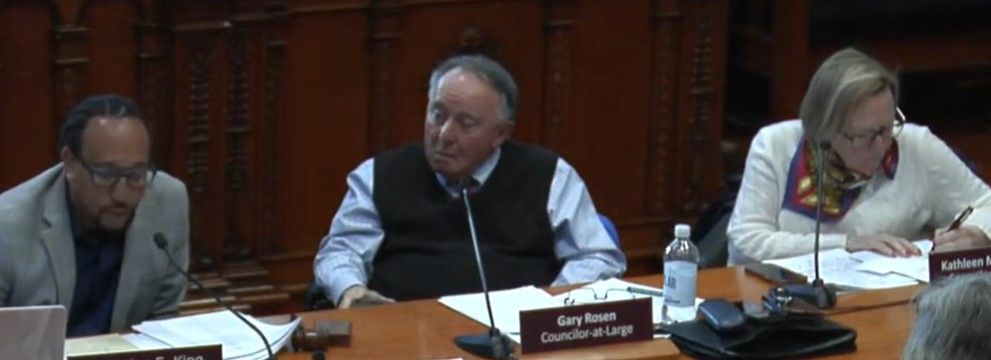
The council’s vote followed a detailed April 6 hearing before the Standing Committee on Public Health and Human Services, where medical professionals and city officials described a system under strain.
“We wonder why people in Worcester can’t find physicians,” said Councilor Gary Rosen, who chairs the committee and brought the measure forward. “Many are retiring. The primary care physicians get paid so much less than those who specialize.”
At the hearing, Hirsh said the pipeline into primary care has shrunk dramatically. Of 174 graduating UMass Chan Medical School students this year, he said, only 70 chose primary care-related fields — a sharp drop from earlier decades, when the vast majority entered those roles.
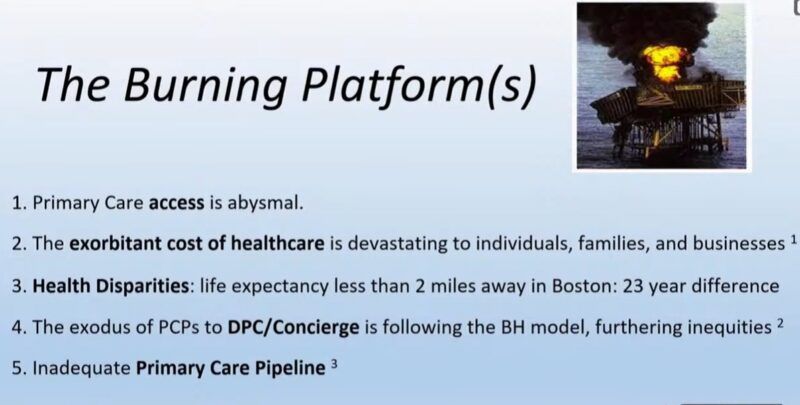
He pointed to lower pay, heavy administrative burdens and long hours as major deterrents. Altman added that the gap is significant: on average, primary care physicians earn about 55% of what specialists make — a disparity he said directly influences how medical students choose their careers.
Primary care doctors, he said, often spend hours after their workday completing documentation and navigating insurance approvals — work that can make the field less appealing than higher-paying specialties with more predictable schedules.
“So our shortage of primary care physicians is critical,” Hirsh said.
Altman said the legislation is designed to address both access and workforce challenges by increasing investment in primary care, changing how practices are paid and removing financial barriers that can keep patients from seeking care early.
He argued that improving primary care access could reduce unnecessary emergency room visits and hospitalizations—lowering costs over time while improving outcomes.
“Primary care is dying,” Altman told the committee.
Frances Anthes, chair of the Worcester Board of Health and former president and CEO of Family Health Center of Worcester, said the impact is already visible across the system — from long waits for appointments to difficulty finding a new doctor when one retires.
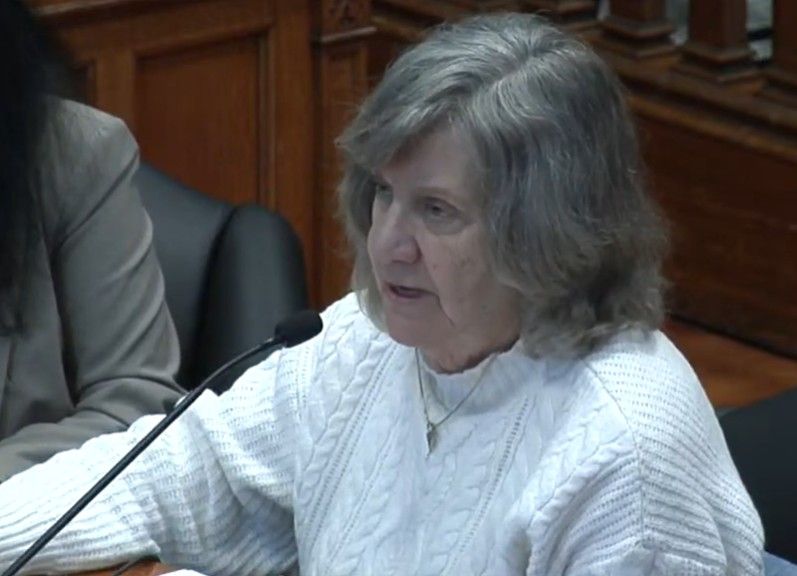
“We know of and have experienced lengths of time to get an appointment with your PCP,” Anthes said, adding that patients often face delays even for routine care.
Worcester Health and Human Services Commissioner Seema Dixit said the problem is even more acute for uninsured residents and those relying on community health centers.
“If a fully insured person is not able to get a primary care appointment for months at the stretch, what hope do we have for those who don’t have insurance?” Dixit said.
Councilor Kathleen Toomey voiced support for the concept but pressed for more detail on how the program would be funded and asked that Worcester’s state delegation provide written feedback on the legislation.
Altman said the proposal would rely on increased investment from major health care stakeholders, including insurers and large health systems, with the expectation that savings from reduced emergency and hospital care would offset costs over time.
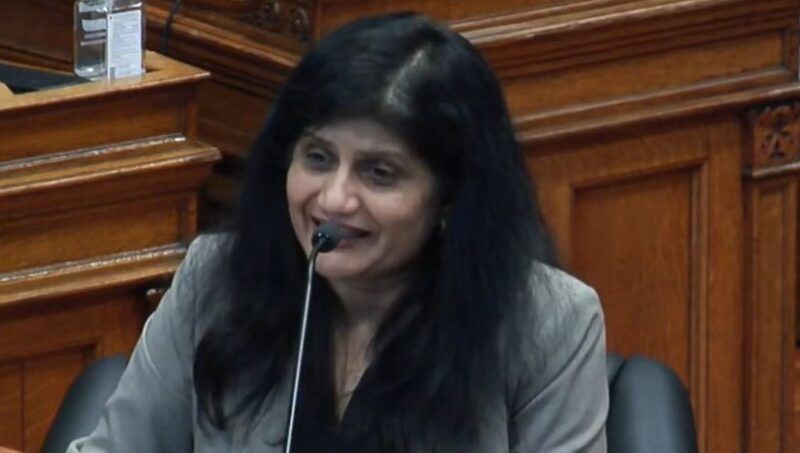
Councilor Khrystian King, a social worker, said the issue intersects directly with mental health and addiction care and can have serious consequences when patients cannot access treatment early.
“This could be a game changer in many aspects for the city of Worcester,” King said during the committee hearing.
At Tuesday’s meeting, King urged residents and the press to review the April 6 discussion for fuller context, calling the issue urgent.
“Delayed treatment, delayed medical mental health care can have life consequences,” he said.
The council voted to adopt the committee’s recommendation and formally support the three bills, with Councilor Morris Bergman recusing himself.
The legislation now continues through the state legislative process, where supporters say local backing from cities like Worcester could help build momentum for broader reform.
