
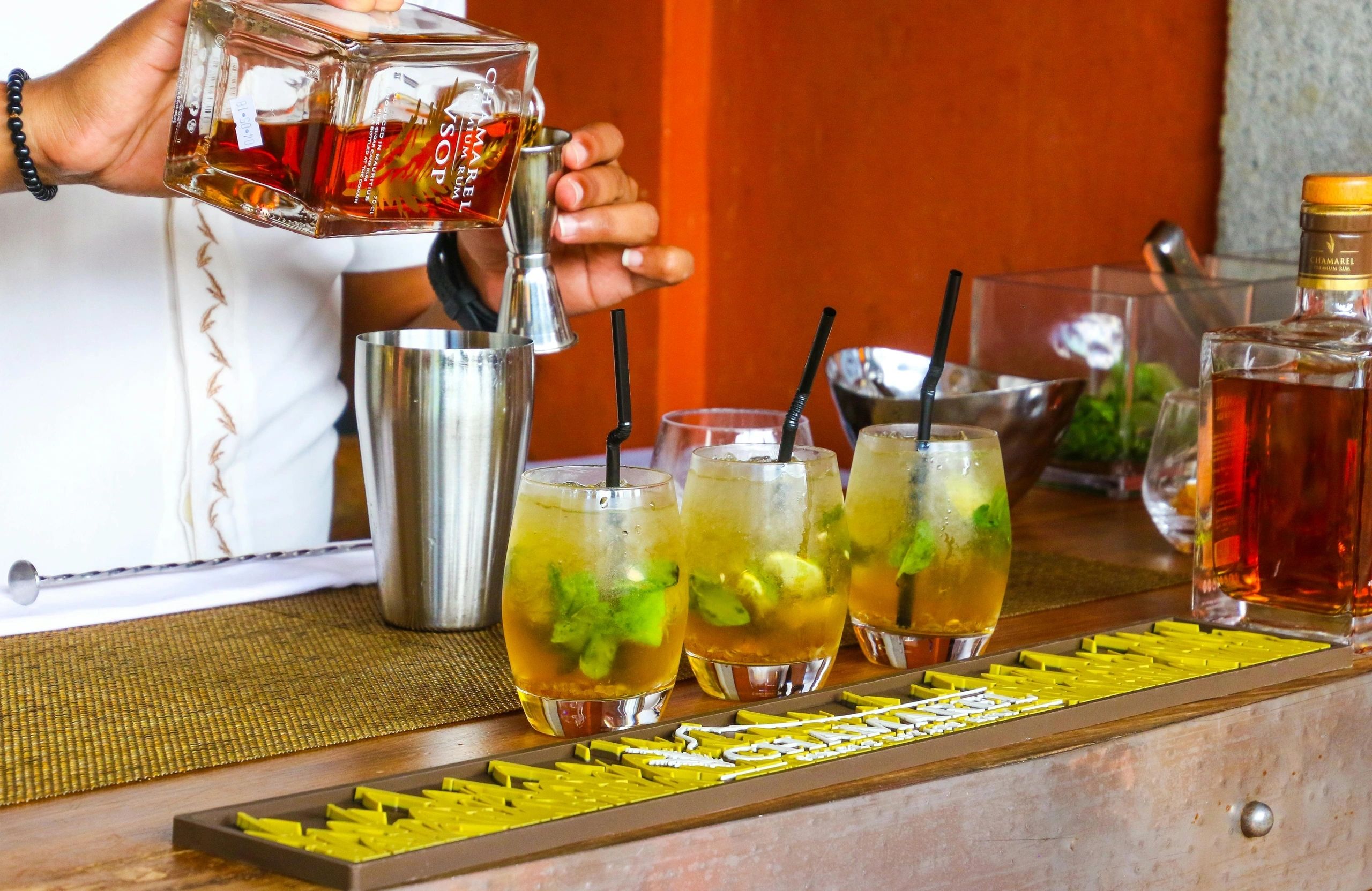
The Worcester License Commission addressed the issue of allowing bottle service, which essentially means allowing customers to buy a full bottle of booze for their table, but agreed to shelve discussions for the time being
WORCESTER—City license commissioners heard from a few proponents of reviving bottle service but again took no action, saying they first want to see a proposal from the law department of regulations to govern the high-end service.
Mark Borenstein of Bowditch Attorneys repeated to commissioners on Thursday that Worcester’s bars and restaurants are losing business to establishments in nearby cities because of the lack of VIP offerings.
Bottle service allows patrons to buy a bottle of spirits to share amongst a group of guests seated at the same table. It typically involves a server dedicated to that table to pour the drinks and monitor patrons’ consumption, officials have explained.
The issue concerns Commission Chairman Anthony Vigliotti, who pointed to the closing of three Canal District businesses and another recently shuttered on Shrewsbury Street. He said all cited a lack of staffing for the closing and he wondered how a bar or restaurant could find the staff needed if one table was assigned a dedicated server.
Borenstein said he believes the service can be provided safely because there are already laws in place governing the sale and consumption of alcohol. He said he understood the biggest concern to be overconsumption but added that commissioners would approve each business seeking to add bottle service and would see their plans for addressing the concern.
“It’s not going to fit for every business,” he said.
While Vigliotti voiced concern, Charran Fisher said she’s pro-business and that her position complements being pro-bottle service.
She said it was troubling to hear that people were traveling to Providence, Boston or Springfield to spend money that could’ve helped small businesses in Worcester if they offered bottle service.
Fisher said it might even be easier to monitor people at a table with a bottle than it is to keep tabs on folks visiting the bar for shots.
While no one from the community spoke against adding bottle service, Vigliotti said he was disappointed that there were so few people, including holders of liquor licenses, at the meeting to weigh in.
The meeting started with about 30 minutes of technical difficulties that kept the Commission from hearing comments from remote participants, though the issues had been resolved by the time the bottle service was discussed.
Julius Kumah of Noamesco Bar & Lounge on Pleasant Street said he would like to be able to offer bottle service to patrons and confirmed that after 2018, when the service was banned, he lost business and was further impacted by the COVID-19 pandemic.
Kumah said he had ideas about how to make the service safe and offered that he would have a lock box on the table to display the liquor but patrons would have to request a pour from the server for the table.
“You would not leave the keys on the table,” he said.
Bottle service also results in bigger tips for wait staff, making the jobs more enticing and perhaps allowing bars and restaurants to retain employees, he said.
Still, Worcester Police Sgt. Thomas Needham worried that past problems would rear their heads. He described how patrons have paid a “substantial amount” for the spirits and if they didn’t finish the bottle, they’d find ways to smuggle it out of the bar.
He said he’s seen bottles stuffed inside coats, in purses, and down the leg of trousers. He also noted that patrons had been seen drinking directly from the bottles and noted that when there were violations, the number one excuse was a lack of staffing. Sometimes, the bottles were used as weapons.
Borenstein said that there are currently bars in the city offering the service despite the ban, and bringing back a regulated bottle service would help bars that follow the rules while allowing those that don’t to be dealt with.
While he asked commissioners to discuss the matter and take a vote, Viglioti said he wasn’t prepared to do that and wanted instead to wait for recommendations on regulations from the law department.
Deputy City Solicitor Alexandra Kalkounis suggested that the Commission could vote on the matter and, if approved, the law department could draft proposed regulations but Vigliotti said he’d rather switch the order of those things.
Commissioner Maritza Cruz agreed, saying that while she, too, supports local business, she wanted to “proceed with caution.”
Kalkounis said the law department would bring proposals to the Commission’s March 14 meeting for review. She reminded commissioners to have any discussions “on the record.”
Commissioners could vote on the proposal on March 14.
