WORCESTER—The Worcester Evening Free Medical Service Program has a new name and more importantly a new home that allows it to expand its free medical services.
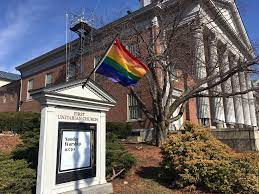
To meet a growing demand, WEFMSP moved in January from the Epworth United Methodist Church, 64 Salisbury St., to First Unitarian Church, 90 Main St., and changed its name to the Hart-Wood Free Medical Program. The new name honors Dr. Paul Hart and Rev. Barry Wood, who founded the city’s oldest free medical program in 1991. Rev. Wood was pastor at Epworth at the time.
Hart-Wood offers free medical care from 6-8 p.m. every Monday. The new home has nearly 6,000 square feet of shared space, 52 percent more than at Epworth.
The public is invited to a dedication ceremony at the First Unitarian Church at 4 p.m. Monday. The family of Rev. Wood, who passed away in 2024, is scheduled to attend.
So are Hart-Wood representatives and community leaders, including Worcester Commissioner of
Health and Human Services Seema Dixit and Congressman Jim McGovern.
The Hart-Wood Free Medical Program is a founding member of the Worcester Free Care Collaborative (WFCC), a coalition of seven free medical programs serving Worcester and Shrewsbury. In 2025, WFCC’s over 300 volunteers from local academic institutions and hospitals delivered care to more than 7,000 patients and demand continues to grow.
In addition to the Hart-Wood program at the First Unitarian
Church, the WFCC offers free eye care at the Wesley United Methodist Church on Mondays, and free medical care at St. Anne’s Church in Shrewsbury on Tuesdays, the India Society of Worcester in Shrewsbury on Wednesdays, and at the New England Ghanaian Seventh-day Adventist Church and St. Peter’s Church on Thursdays. Free social services are also offered at the Worcester Islamic Center on Thursdays. All programs are open 6-8 p.m.
Dr. David Runyan is president of the WFCC and chief operating officer of the Hart-Wood Free Medical Program. Both of those are volunteer positions. He is also a nurse practitioner at UMass Memorial Memorial Health in the Department of Family Medicine and Community Health.
Runyan has volunteered for the free medical program for about 10 years. He volunteers at Hart-Wood every week and fills in at the other sites when needed.
Runyan said the program was never meant to replace urgent or primary care, but it does provide primary care to those who can’t otherwise access it and the program reduces strain on emergency departments.
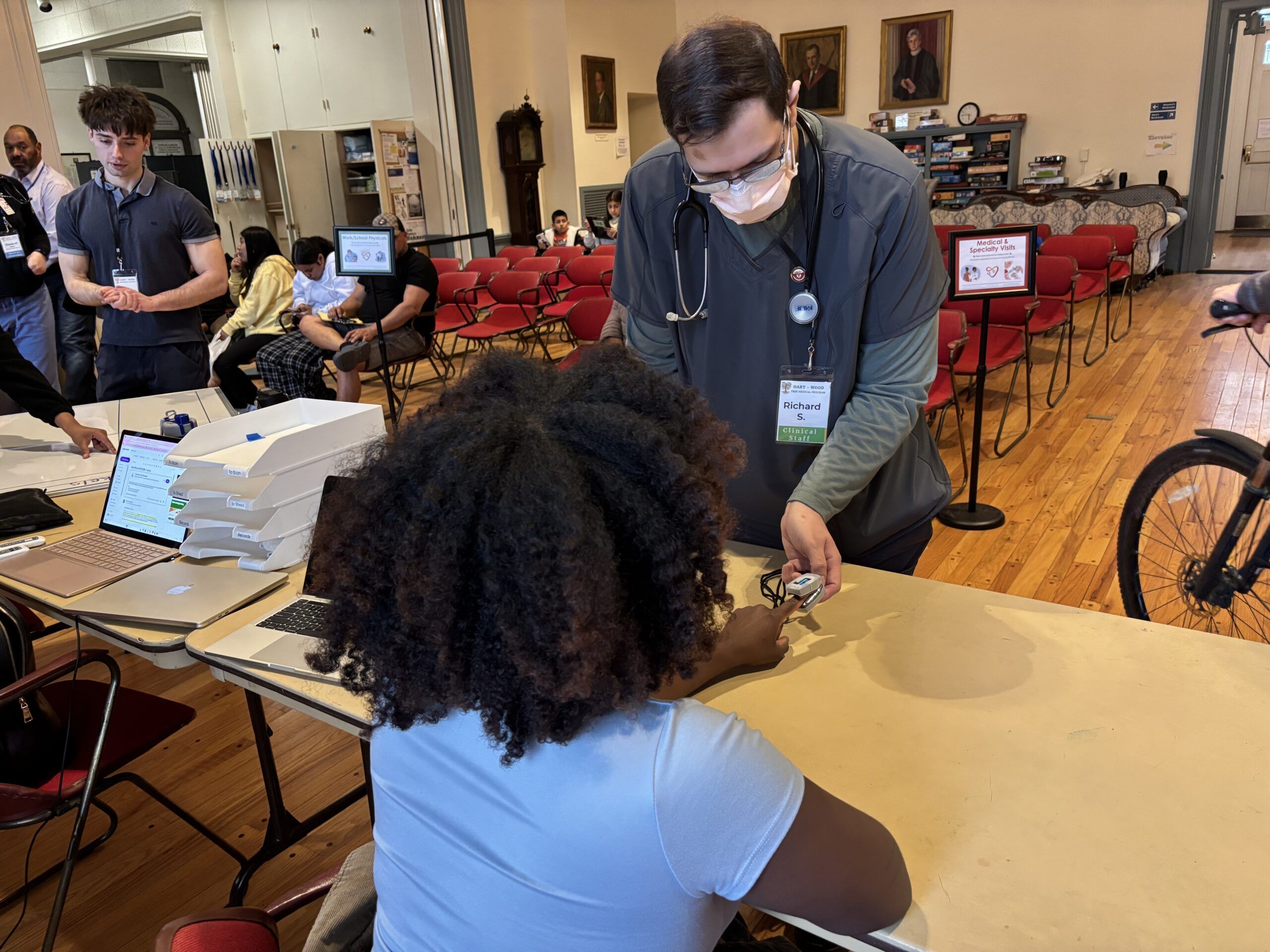
Hart-Wood and other WFCC programs provide free physical exams, sick visits, vaccinations, lab work, specialty care and more.
The WEFMSP tended to 1,500 people last year and Dr. Runyan said 30-35 people visit the program each Monday night.
Dr. Runyan estimated 55 percent of visits involve routine care, including physical exams so children can go to school and adults can start new jobs.
Dr. Runyan said there is such a shortage of primary healthcare physicians, scheduling a physical could take 10 or 11 months.
“When you’re faced with a job offer, that doesn’t work,” he said. “So they’ll come to the free clinic.”
Runyan reminded that the benefits of the program extend beyond offering free healthcare. By offering free physicals to those about to start new jobs, the program also helps the economy.
About 45 percent of visits involve treating sickness or chronic disease management. Runyan pointed out that the clinic sees an increasing number of people who have uncontrolled hypertension or diabetes and they’re not able to schedule timely appointments with their doctors for care.
About once a month, visitors can see a dermatologist or a physical therapist.
When Runyan runs behind schedule at UMass, his patients can become impatient, rightfully so as he pointed out.
“But the patients who come to these free clinics,” he said, “they are just so appreciative that they have a place to go.”
On busy nights, patients might wait up to two hours to be seen.
“Nobody ever complains,” he said. “They sit there patiently and when they leave they are thankful, they’re smiling, they are just so grateful to have a place where they can go. As a volunteer, you leave there and you feel fulfilled. It’s just such a wonderful feeling to be able to provide that to people.”
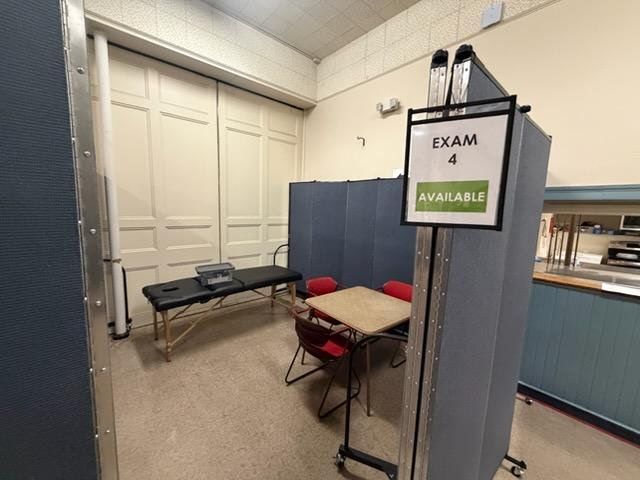
Prior to the pandemic, most patients at the clinic were immigrants who lacked sufficient medical insurance and didn’t know how to navigate the healthcare system. That is changing. The clinic is seeing more and more people who can’t find primary care providers after their PCPs have retired.
“We need more people going into primary care and unfortunately we’re seeing the opposite,” Runyan said. “It really is frightening.”
Runyan expects the number of primary healthcare physicians to continue to drop while baby boomers grow older and H.R. 1 federal funding cuts are implemented. Over the next decade, about $1 trillion is scheduled to be cut from Medicaid and $200 from SNAP. Up to 250,000 Massachusetts residents could lose MassHealth coverage starting in January due to federal policy changes requiring stricter work requirements and more frequent eligibility checks.
Volunteers at Hart-Wood include clinicians, interpreters, community members and students studying to become doctors, physician assistants, nurses and nurse practitioners.
Licensed medical professionals supervise students from UMass Chan Medical School and Mass. College of Pharmacy and Health Sciences.
“They’re providing healthcare for free in the United States,” Dr. Runyan said, “where healthcare costs are just so much higher than anyone else in the world. Because they give their time and their experience, we’re able to provide that at no cost for people who have no other place to go. I can’t say enough things about our volunteers.”
Martha Benitez has volunteered as a medical interpreter on Monday nights for two years. The native of Ecuador has been a certified medical interpreter since 1991 in Spanish and Portuguese.
She said without interpreters, many patients would not seek help at the clinic.
“To see the gratefulness of this population,” Benitez said, “when they leave and the relief they feel when they have a sick child or mother who came from another country and is sick, that’s priceless.”
Rev. Sarah Stewart, minister of First Unitarian Church of Worcester, said the WEFMSP approached her nearly two years ago about housing the clinic.
“I saw a real opportunity to live our mission and our covenant by opening our space up to the medical program,” she said.
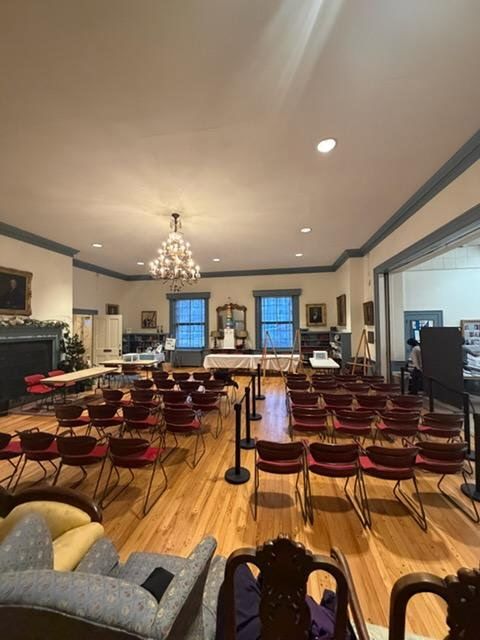
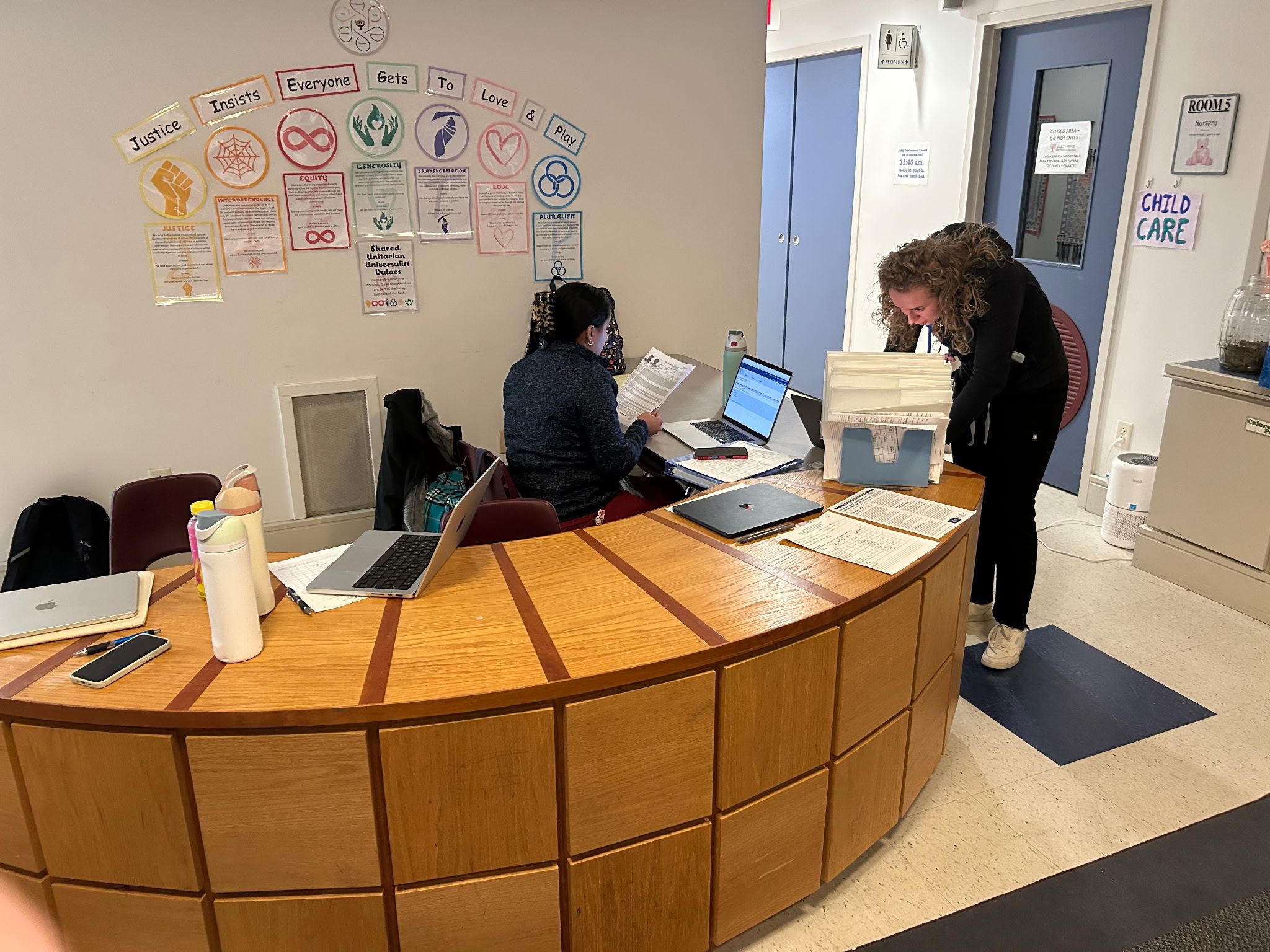
First Unitarian Church, which has 270 members, rents the space to the program for $1 per year. The waiting area and space for medical visits take place on the ground floor in the church parlor and dining room. Vaccines and medical visits by children and women take place in classrooms in the basement.
More than a dozen volunteers from the church greet visitors and find out what they need. The medical volunteers take over from there.
“The patients are very grateful for not only the care they receive,” Stewart said, “but the dignity with which they receive it. A lot of the patients are immigrants or folks who don’t speak English as a first language and navigating the healthcare system is difficult. Part of what the medical program provides is ease in getting care that they need and help getting connected to the rest of the medical system if that’s what somebody needs.”
For more information or to learn about volunteer and donation opportunities visit www.worcesterfreecare.org.