
WORCESTER—The Worcester City Council is set to convene Tuesday, April 15, with a full agenda that includes updates on the city’s use of ShotSpotter technology and a report on hate crimes in 2024.
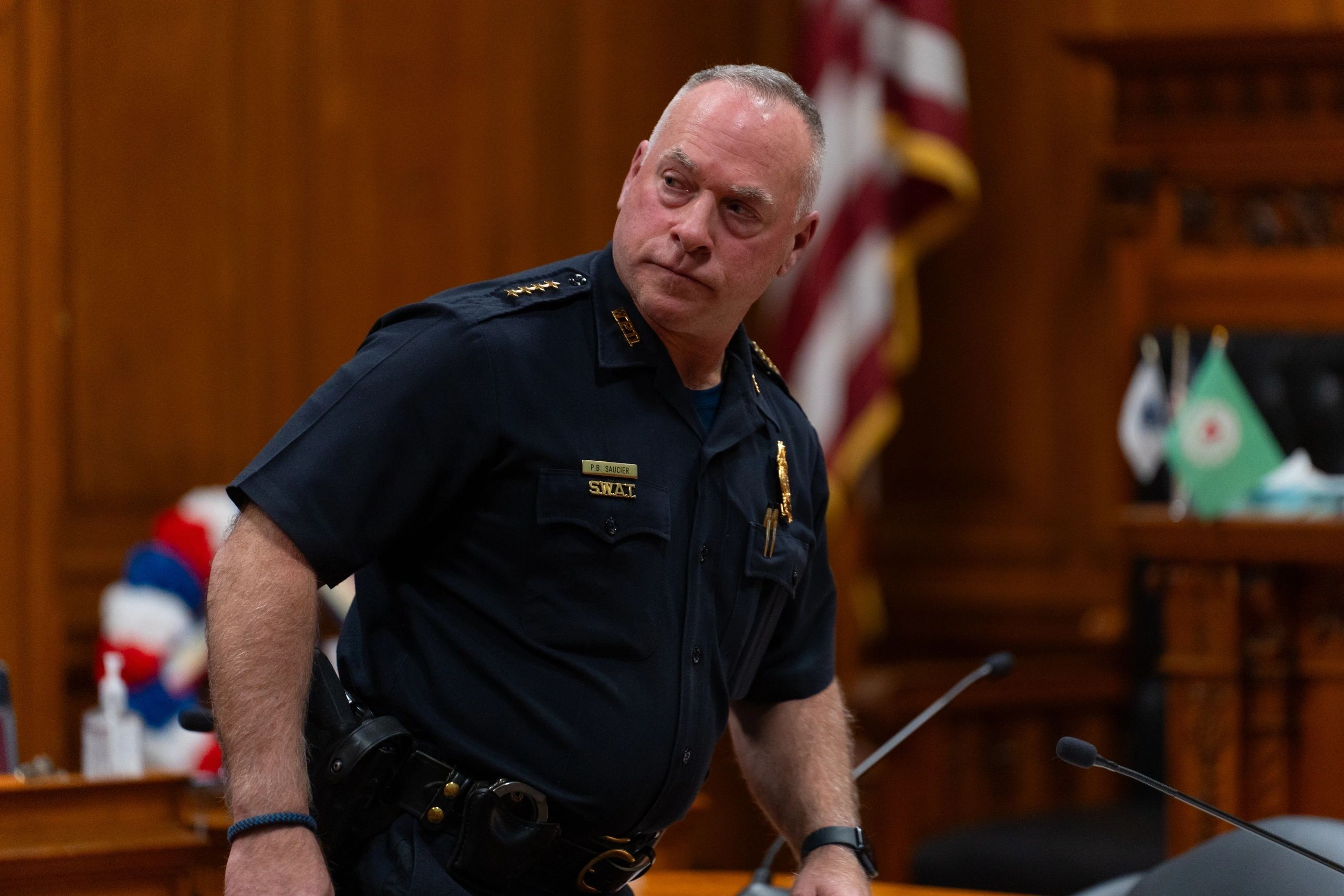
Police Chief Paul Saucier shares information on the city’s ongoing contract with ShotSpotter—a gunshot detection system—and provides data on its impact so far this year.
The system, which uses acoustic sensors to detect and pinpoint the location of gunfire, has become a key component in the Worcester Police Department’s strategy to respond more quickly to shootings and recover evidence.
According to a letter from Saucier to City Manager Eric Batista, the city’s current contract with ShotSpotter and its companion program, Resource Router (formerly ShotSpotter Connect), is active through April 2026 and averages $573,563 per year. The ShotSpotter system alone costs $528,597 annually.
In 2024, ShotSpotter triggered 84 activations tied to confirmed gunfire, with 39 of those incidents generating no 911 call. In those cases, the technology allowed officers to respond more quickly and collect shell casings and other evidence that might have otherwise gone unnoticed. Eight of the 24 “crime guns” confiscated this year were connected to ShotSpotter alerts, according to the report.
One such alert led to the arrest of a juvenile who fired an automatic weapon at cars on I-290. A search warrant resulted in the recovery of the firearm. “Without the program, there would be many incidents of gunfire that would not result in a police response,” Saucier wrote, adding that it could lead to lost evidence and delayed emergency care.
The department’s Crime Gun Intelligence Unit, formed last year, now follows up on all ShotSpotter activations. Officers canvass neighborhoods, distribute door hangers with contact info, and work closely with federal and local partners to investigate gun violence. In total, 772 shell casings were recovered in 2024 from the eight-square-mile area covered by ShotSpotter.
Also on the agenda is a report on hate crime incidents recorded in Worcester during 2024. Saucier noted that there were nine confirmed hate crimes last year—a number below the city’s five-year average of 12.8. No physical injuries were reported in these cases.
Five of the nine incidents were classified as anti-Black. Three involved vandalized vehicles, one involved racial slurs spray painted on a school, and another was an emailed threat. One of the vehicles included both anti-Black and anti-Latino slurs, and was counted as two separate incidents. Other incidents included anti-Asian verbal threats and two incidents classified as anti-LGBTQ.
“We take any and all hate crimes extremely seriously,” Batista wrote in the cover letter to councilors. “Preventing hate crimes remains a priority as we seek to maintain a safe and welcoming city with opportunity for all.”
Other highlights on the agenda:
- Buses only! Two petitions led by Worcester resident Matthew C. Morse and signed by a handful of others are looking for new signage around Jacob Hiatt Magnet School (772 Main St.) to reserve curb space exclusively for school buses during school hours — one on Main Street and one on Murray Avenue.
- Boards and commissions update: The City Manager is recommending several appointments: Elana Rosenbaum to the Citizen Advisory Council; Francisco Valdes and Jason Pincomb for reappointment to the Affordable Housing Trust Fund Board of Trustees; and Pablo Santiago and Deborah Gonzalez for reappointment to the Advisory Commission on Latino Affairs.
- Grant boosts for health, rights, and libraries: Several grant approvals are on the agenda this week, bringing in funds to support a range of city programs. These include $350,000 from the Massachusetts Department of Public Health to help the Division of Public Health develop and implement substance use prevention services; $125,000 from the Massachusetts Attorney General’s Office to support consumer rights education; $63,000 from UMass Memorial Medical Center’s Community Benefits Department to further local public health efforts; $30,000 from the United Way through the Fred Harris Daniels Foundation for community health and human services; and $10,000 from the American Library Association to enhance Worcester Public Library programming and classes for the New Americans community.
- Still tabled: Food justice funding: A 2021 order by former Councilor Sarai Rivera — requesting ARPA funds for REC Worcester’s planned Center for Food Justice and Urban Agriculture — remains tabled. The proposed project would support food security efforts, youth development, and job creation in Worcester and Central Massachusetts.
Worcester City Council meets on Tuesday, April 15, at City Hall in the Esther Howland (south) Chamber at 6:30 p.m. It is also live streamed on the city’s website.
Have news, tips, or a story worth telling? Reach Editor Charlene Arsenault at carsenault@theworcesterguardian.org—because good stories (and great scoops) deserve to be shared.
The Worcester Guardian is an independent nonprofit news organization. Support local journalism by making a DONATION today.
