
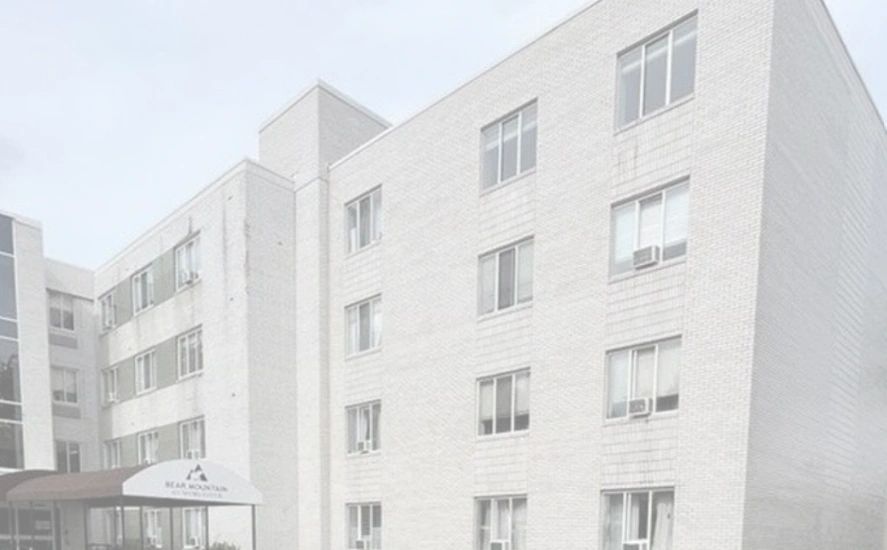
WORCESTER—An in-depth investigation conducted by the Disability Law Center (DLC) uncovered various concerns at the Bear Mountain nursing home in Worcester that encompassed neglect and inadequate treatment of patients.
The investigation, which took place from October 2021 to October 2023, included a look into six sites and shed light on a variety of poor practices: overuse of antipsychotic medications, doubtful schizophrenia labels, lack of proper care plans, and insufficient interaction with patients needing specialized neurological care.
The report states that the neurobehavioral unit at Bear Mountain Worcester includes two locked floors not usually accessed by other residents, and houses long-term patients with cognitive disabilities, psychiatric disorders, brain injuries with long-term effects, and dementia.
Because of understaffing, Bear Mountain employees could not provide the necessary evaluations, monitoring, or treatment planning for these patients, the report indicated.
The report also notes Bear Mountain lacked staff with the right training in psychiatric nursing, lacked a psychologist on staff, and did not offer psychiatric or neurological consultations.
Nina Loewenstein, who led the investigation and is the senior attorney at DLC, urged a swift response from Bear Mountain and the Commonwealth, stating: “It is very concerning that the facility has not acknowledged the deficiencies identified by both our staff and our expert psychiatrist and psychiatric nurse related to (1) the absence of multi-disciplinary integrated behavior treatment plans, and (2) the absence of specialized staff e.g., a neurologist and staff credentialed in psychiatric nursing. Nor does the state appear to have protocols in place to assure these problems be corrected, even though the state is paying enhanced rates to the facility for serving specialized populations.”
The DLC report also notes that nursing homes nationwide tend to overdiagnose schizophrenia to justify the excessive use of these drugs. “Instead of experiencing recovery and rehabilitation, each to their fullest potential, residents become institutionalized and dependent,” the report says. However, the DLC acknowledged they couldn’t confirm the accuracy of the high schizophrenia diagnosis rates at the Worcester facility.
Bear Mountain representatives declined comment about the report’s allegations after a phone call from The Worcester Guardian, but did reply to allegations in the report to the Worcester Telegram & Gazette: “The top priority of Bear Mountain at Worcester remains the well-being of our residents. Our facility provides unique, highly specialized, and high-quality services to the neurobehavioral residents. As such, it is subject to scrupulous review and oversight by the Department of Public Health and the Centers for Medicare & Medicaid Services. Many of the claims in the report are based on overgeneralizations and inferences gleaned from outdated data and reports unrelated to Bear Mountain at Worcester. Nevertheless, Bear Mountain takes the report seriously and will consider it in its ongoing efforts to improve the quality of care delivered to its residents.”
This issue of neglect and poor care is a widespread challenge in for-profit nursing homes, where cutting costs often takes precedence over quality care. About two-thirds of nursing homes in Massachusetts are for profit, according to research conducted by the DLC and outlined in the report.
“Staffing is one of the higher costs in nursing home operations,” the report reads. “Therefore, a leaner staff is more likely to return profits to investors. Particularly in for-profit homes that are investor-owned, the pressure to generate high, short-term profits is a strong incentive to reduce staffing and services, leading to pervasive neglect of nursing home residents.”
The report also states that inadequate oversight and enforcement cannot repair or deter impactful deficiencies in nursing home care, and that state agencies are responsible for licensing and surveying nursing homes to ensure they meet state and federal standards. However, frequently they fail to identify these deficiencies and underestimate the impact of the scope and severity.
Rick Glassman, director of advocacy for DLC., told the Guardian that the state must ensure higher rates for serving specialized populations are coupled with demonstrated compliance and higher expectations.
“This must include minimum standards for clinical expertise, staff licensing and certification, unit accreditation, staff training, staffing ratios, care and treatment (including psychotropic medications and non-pharmacological interventions, therapeutic and psychosocial programming to encourage socialization, develop and maintain daily living skills and facilitate community integration, and use of behavior plans),” he continued. “There is an opportunity to act now, by having the Senate amend and strengthen H.4193, legislation pending before the Senate Ways and Means Committee. Loewenstein also mentioned that the DLC met with residents, family members, and guardians who were not family members. She outlined their thoughts, which mainly involved issues of neglect, and sometimes mentioned rodents in residents’ rooms.
For instance, “The family of ‘C.D.’ [as the patient was referred to in the report] was concerned with her decreased ability to walk, lack of bathing, nails and toenails left unclipped, which [also] interfered with her ability to walk,” said Loewenstein. “Family members also reported concerns with longstanding infections, some of which proceeded to sepsis and emergency hospitalizations [for ‘C.D.’ and ‘S.T.,’ [as the patients were referred to in the report]. Residents were frustrated with their lack of ability to go outside the facility, with the lack of discharge planning, and for one younger resident, the lack of programs to help her learn to shop, to work, and to manage her money.”
Residents being overly prescribed medications was a noticeable problem and complaint as well. “Family members and guardians were concerned that their family members and clients were overly sedated with medications,” Loewenstein continued, “when they could be otherwise calmed or could be more active to reduce frustration. A guardian was concerned that the lack of activity for her client contributed to his aggressive behavior and in turn high use of antipsychotic medications (A.B.).”
According to the report, Bear Mountain has promised to make some large changes in response. More specifically, they plan to train their staff to specialize in brain injury care through the Brain Injury Association of Massachusetts, offer courses on managing behavior, and revamp a van to help patients travel for activities and therapy. The facility insists that patient care is their main concern and they’re committed to improving.
The Worcester Guardian made numerous attempts for comment from Bear Mountain representatives, with no response at the time of this article. For any updates, visit this page.
Matt Olszewski is a freelance content and news writer based in Boston, MA. In his free time, Matt enjoys running, hiking or skiing. Matt is currently finishing up the MPH degree program at Tufts University. He can be reached at mattoskier@gmail.com
