
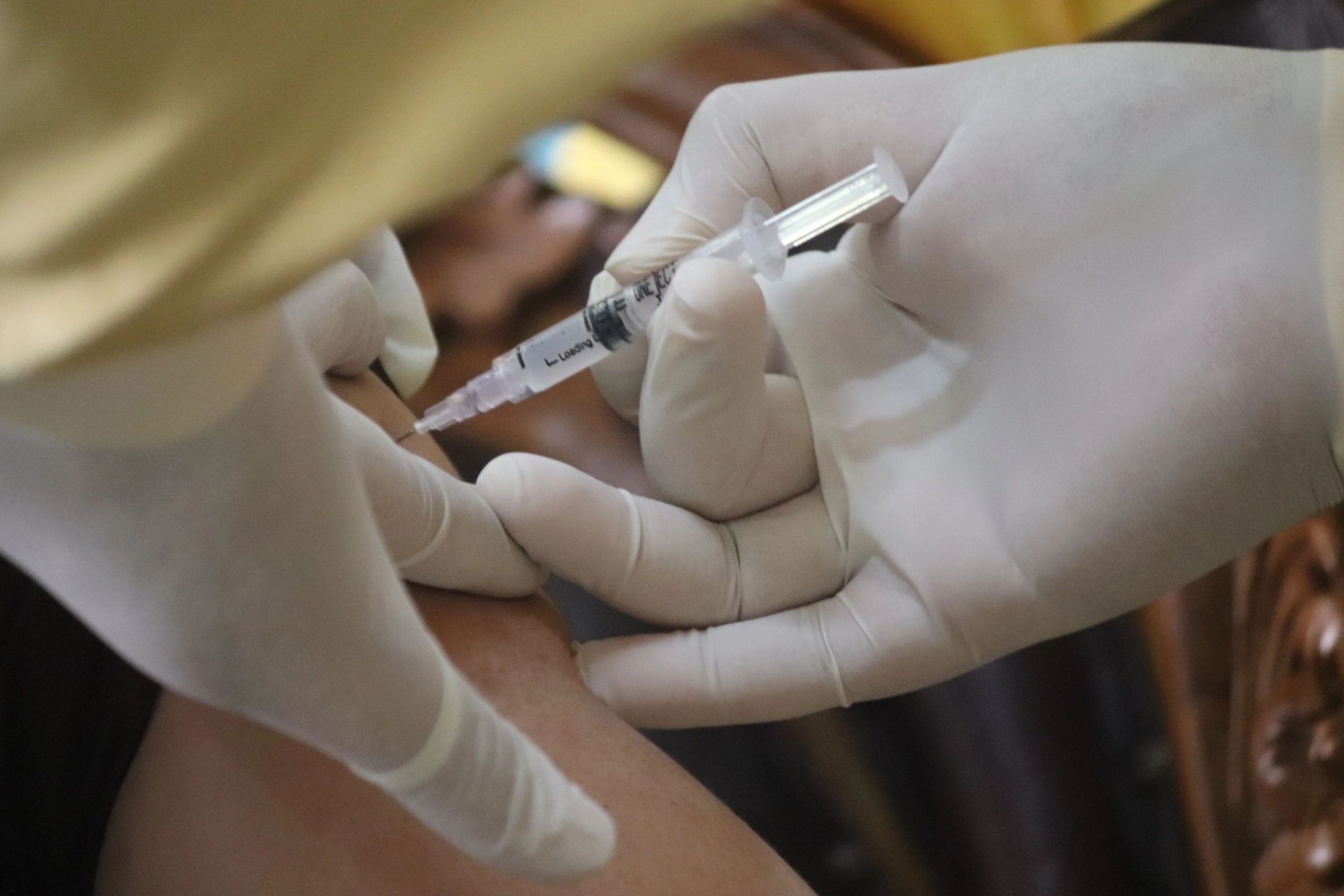
WORCESTER—Massachusetts is tops or near the top of a lot of noteworthy lists and studies. The heart of the commonwealth is always “charting” on lists focusing on education or healthcare. Recently, the Bay State got the gold medal in a “states that vaccinate the most” report released by WalletHub.
It’s nothing to sneeze at.
In order to see where people are most responsible about getting vaccines, WalletHub said it examined the 50 states and the District of Columbia across 16 key metrics.
“Our data set ranges from the share of vaccinated children to the share of people without health insurance to the presence of reported measles outbreaks,” said the report.
Being the second biggest city, and having several top-rate hospitals and healthcare systems in place, Worcester contributes to the positive statistics that led to the state’s distinction this year.
“There are many reasons that Worcester has been successful in increasing the vaccination rate across various diseases,” Soloe Dennis, Worcester’s public health director, told the Worcester Guardian. “The most prominent reason is the community-driven approach to educating people on vaccination and offering the vaccines in accessible locations.”
Dennis said that mobile clinics for the COVID-19 vaccine have been offered in various locations across the city in an effort to bring this vaccine “to the people rather than making them go out of their way to find it.”
“The community really stepped up, taking it upon themselves to work with the city to learn about the vaccine and how it worked,” he said, “and used their established trust in different communities in Worcester to speak to the safety and effectiveness of the vaccine. There was a strong sense of partnership and collaboration in this effort.”
With an overall score of 75.74, Massachusetts ranked first for children and teenager vaccination rates, twelfth for adults and elderly, and first for immunization uptake, disparities and influencing factors. Massachusetts beat out Rhode Island, Iowa, Vermont and Connecticut to round out the fop five.
The state on Wednesday, Nov. 28, released an updated report on vaccinations by municipality, indicating that Worcester’s population, which is roughly 206,520, is 24.4 percent vaccinated against the flu and 8.8 percent for COVID. The new report applies to the current flu season, July to November, 2023.
To affect such a positive response to promoting vaccines, Dennis said Worcester uses different strategies, including creating multiple vaccination promotion materials in different languages, and working directly with community groups to get the word out. The process, he added, includes pinpointing people who hold significant positions in community organizations, establishing them as “trusted messengers.”
“These individuals work with us to create and carry vaccination promotion messages to their community, where they endorse the city’s message,” said Dennis. “This system results in significantly higher uptake of vaccination promotion and higher vaccination rates because the communities of Worcester know and trust these individuals.”
An abundance of effort was also put into reaching communities, he said, that historically weren’t adequately reached through data monitoring, by creating a special initiative called Community Engagement & Vaccination: The Church Initiative.
The initiative, with the intent of keeping this going long-term, facilitates sit-down conversations between church communities and health professionals to answer questions and address concerns about vaccines. The conversations are usually followed by an on-site clinic.
“Additionally, having well-recognized individuals advocate for vaccination increases vaccine uptake,” said Dennis. “We have worked with popular community barbers, faith leaders, and youth dance groups. These advocates work with us all over the city to promote vaccination across multiple mediums, including on the radio, at movie theaters and at in-person community events.”
Another strategy Dennis said works to increase vaccination uptake is by pairing the promotion efforts with health concerns within the community, such as, of course, COVID and the flu, but also hypertension or diabetes. Educating people about how the vaccines work can, and does, result in an increase in using them, he said.
“Worcester has a large population,” said Dennis. “Reaching community members with messaging requires an understanding of the complex city and the various layers to unfold. It is not especially convenient in this area…The community’s commitment to stepping up during the COVID-19 pandemic to help promote the vaccine and host vaccine clinics is a significant reason for our city’s vaccination success.”
Editor’s note: this article was updated to include new Massachusetts numbers on vaccinations released on Nov. 28.
Charlene Arsenault can be reached at carsenault@theworcesterguardian.org
