
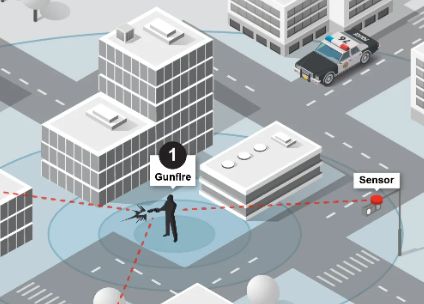
A recent city council agenda item asserts there is concern that ShotSpotter technology may be discriminatory based on its placement in the city. Officials, especially the police chief, maintain the technology is invaluable in combating gun violence
WORCESTER—After recent petitions at Worcester City Council meetings, concerns have been raised about ShotSpotter, a gunshot-detection technology produced by SoundThinking implemented in Worcester in 2014. Some residents question its accuracy and effectiveness, as well as whether it contributes to over policing of black, brown, and Latino communities.
In an agenda item at the city council’s June 18 meeting, Parlee Jones, a former shelter advocate at Abby’s House and now with OurStory Edutainment/The Village Worcester, representing Black Families Together, urged City Manager Eric Batista not to renew or expand the ShotSpotter program. A week later, on June 25, Councilor Candy Mero-Carlson proposed that Batista engage with other community members before deciding on the renewal of the ShotSpotter contract, which is set to expire in April 2026.
“ShotSpotter is an issue,” said Fred Taylor, president of the Worcester Branch NAACP and CORE member of Black Families Together Worcester, who explained that the group has “spoken out” about the funding and what it considers over-policing of certain areas of the city.
“I’m sure that gunfire doesn’t just happen in some areas of the city,” Taylor added. “I feel it’s discriminatory to have ShotSpotter sensors set up in certain areas of the city and not others. We spoke to several city councilors about ShotSpotter and how to allocate those funds in different ways.”
Taylor suggested that a different allocation of funds and strategy could be more effective in addressing gun violence. He proposed, “Instead of using all this money for ShotSpotter, we can use some of that money towards something else such as getting civilians to work with the community or support our youth programs that are run by the community and not by the police.”
Worcester is far from alone in raising these issues. In 2021, the ACLU highlighted concerns about ShotSpotter technology’s potential discrimination and racism, particularly regarding its placement in communities of color, and pointed to several studies. This included a 2021 report by Chicago’s inspector general that questioned the “operational value” of ShotSpotter, noting that it can lead to increased stop and frisk tactics by police in certain neighborhoods. This report, along with critical findings by the Northwestern School of Law’s MacArthur Justice Center and investigative reporting by Vice News and the Associated Press, underscores the broader national debate on the effectiveness and impact of ShotSpotter on communities of color.
Several city council members have voiced support for ShotSpotter. “I’m in favor of ShotSpotter,” said Mayor Joe Petty. “It’s one tool that the police department uses for the safety of the public. In 2023, out of 117 alerts there were 997 casings, which tells you that the location of the ShotSpotter is in the correct place.”
Interim Worcester Police Chief Paul B. Saucier has maintained that ShotSpotter is an appropriate and effective use of taxpayers’ dollars. “The Surgeon General just released a statement saying gun violence is a public health crisis,” he said. “We as a community need to use technology to our advantage. In 2016, there was an independent study conducted by the Brookings Institute that revealed that only 12 percent of gunfire resulted in a call to 911. If the police do not know where and when someone is firing a weapon, how are we to investigate?”
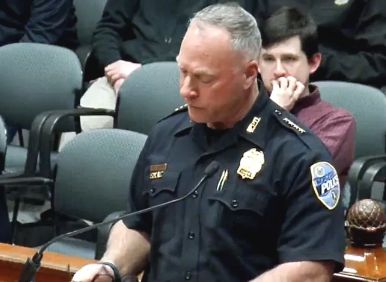
Saucier stressed that ShotSpotter technology is intended for a specific purpose, which is to allow for a more timely and precise response to gunshots. For that, he maintains it has been successful, and is an invaluable tool in the fight against gun violence.
Some have raised concerns about the placement of ShotSpotter sensors, arguing that the technology’s deployment could be seen as discriminatory. Critics suggest that the locations of these sensors may disproportionately target certain neighborhoods, raising issues about potential racial bias.
Despite these concerns, Saucier says that ResourceRouter–another technology created by SoundThinking–is used in every route of the city, 20 routes, and police are conducting community engagement patrols (foot beats) in these locations city wide.”
“ShotSpotter is deployed in an eight-mile area in the city based on statistics of where most gun violence has occurred,” said Saucier, who has been instrumental in instituting the technology, along with a gun unit, into the WPD. “In 2023, we collected 997 shell casings from within those eight miles. That means we know of 997 bullets fired in the coverage area. We do affirmatively know the gun was fired from within that area because when shell casing evidence is located it is in a close proximity of where the weapon was fired from.”
Echoing Saucier, Petty upholds the opinion that the most important factor in instituting ShotSpotter technology into the community’s policing is sometimes the only way police are even aware that gunfire has occurred.
“If you’re in the neighborhood where shots are being fired and nobody reports that, the police aren’t coming,” said Petty. “ShotSpotter helps with that. There are over 100 ShotSpotter sensors on the east side of Worcester between the Burncoat neighborhood and Webster Square, most of them located on street lights.”
Morris Bergman, city councilor-at-large, said, “I don’t hear many concerns from residents. I almost always hear nothing but praise for ShotSpotter. The only concerns I hear are from a few people at the city council meetings.”
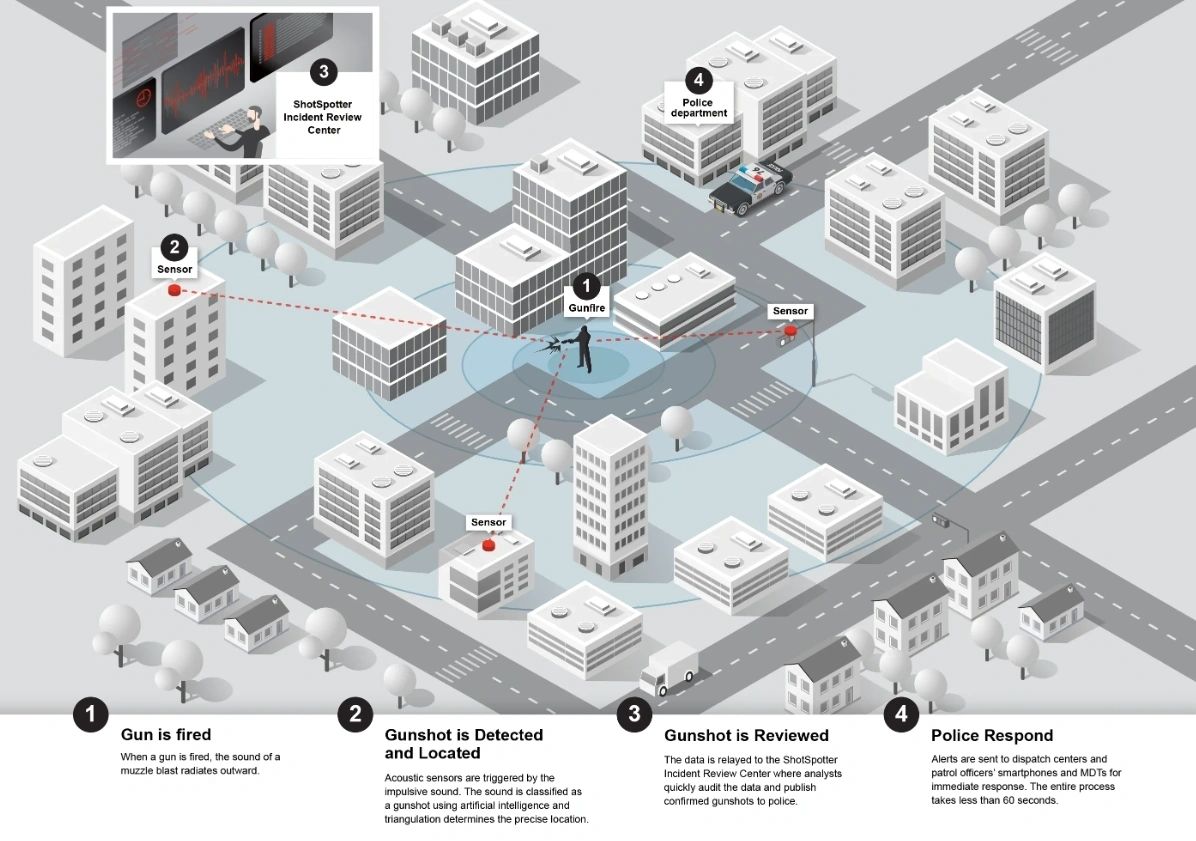
Saucier insists that without ShotSpotter, the Worcester Police Department would not know where a lot of the gunfire in the city originated from. He emphasized that the system has nothing to do with targeting specific communities, but with saving lives.
He added, “Youth development is extremely important. I believe engaging our youth in a positive manner where we are seen as human beings, not robots in a uniform, is one of the most important objectives the police department can implement.”
Petty highlighted the system’s potential impact on reducing gun violence. “Last year between January and July there were 21 non-fatal shootings. But this year, in the same period, there were 10. Police are also now following up with this gun task force, which is making a big difference.”
Every Worcester officer now gets out of their car and walks through neighborhoods at the beginning of every shift for about a half hour, according to Petty.
As for those not in agreement with ShotSpotter, Petty said, “We should be having those conversations with people who have concerns. They have a right to be heard. Hopefully we can come up with some sort of compromise or agreement and move forward.”
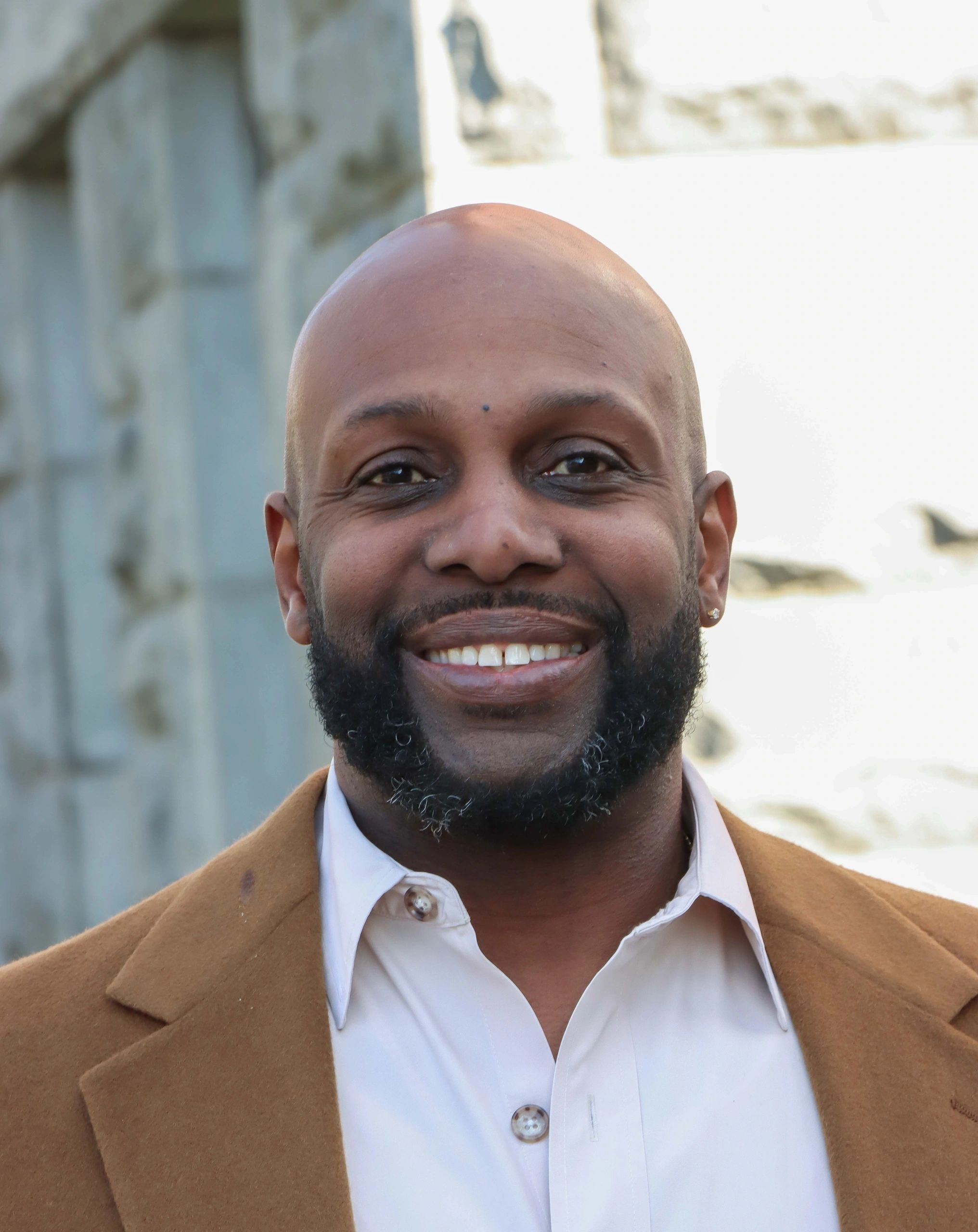
“I want to give kudos to Senator Elizabeth Warren and Ed Markey for doing some research and finding out if the funding for this is a violation of people’s civil rights,” Taylor said. “ShotSpotter sensors are predominantly in communities of black and brown and poor communities. Gunfire can happen anywhere, not just in those communities.”
At the June 25 city council meeting, District 2 Councilor Candy Mero-Carlson expressed interest in holding a neighborhood meeting with concerned residents, acknowledging their worries about over-policing in some areas.
As Worcester continues to navigate this issue, Saucier has said that the city has no plans to cease the ShotSpotter use. “ShotSpotter is not a panacea to gun violence,” he said. “It is one tool of many we use to try to control gun violence.”
City officials say they remain open to hearing concerns from residents and organizations such as Black Families Together as the debate continues between those who see ShotSpotter as a valuable public safety tool and those who view it as potentially discriminatory and a misallocation of resources.
Matt Olszewski is a freelance content and news writer based in Boston, MA. In his free time, Matt enjoys running, hiking or skiing. Matt just graduated with his MPH from Tufts University. He can be reached at mattoskier@gmail.com
As the Worcester Guardian marks more than half a year of delivering free, independent digital news to our city, our dedication to this mission strengthens. Please consider a tax-deductible donation to support our ongoing commitment to providing hyperlocal news coverage to Worcester. Scroll to the bottom of our home page to sign up for our daily newsletter