
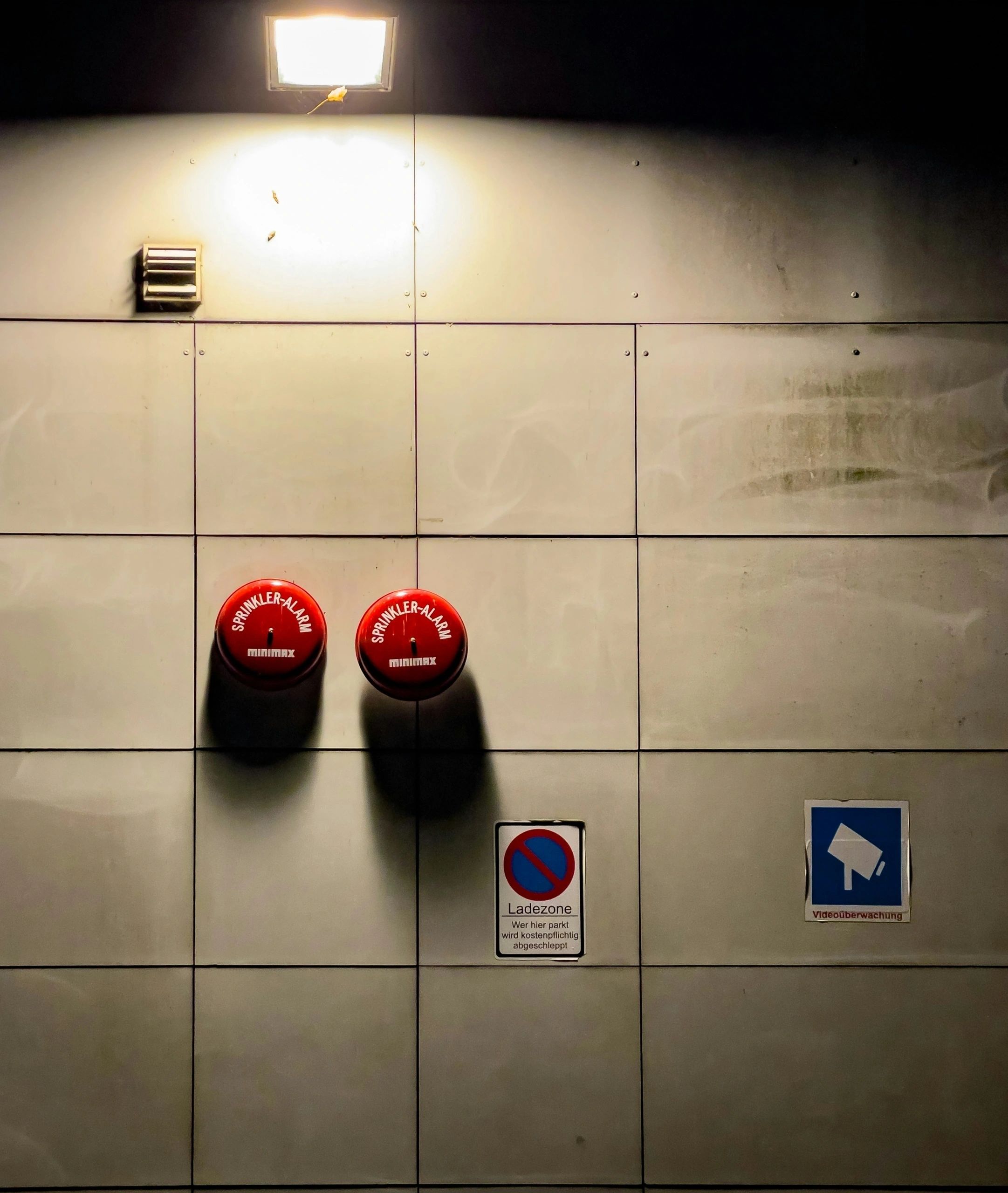
WORCESTER—As the city council heads toward a Sept. 9 vote on fire safety regulations, the debate over requiring sprinklers in larger residential buildings is intensifying.
The proposed change follows two devastating fires at Worcester’s Washington Heights apartment complex — one in June 2024 and another in January of 2025 — that displaced more than 50 residents and destroyed 50 units.
Public Safety Committee Chair Kathleen Toomey has requested a suspension of council rules to fast-track consideration of adopting Massachusetts General Law Chapter 148, Section 26I, which would mandate sprinkler systems in residential buildings with four or more units during new construction or significant renovations.
The law applies broadly to “any building … occupied in whole or in part for residential purposes and containing not less than four dwelling units, including but not limited to apartments, townhouses, condominiums, hotels, motels and group residences,” according to the statute.
A divided council
City Manager Eric Batista first brought the proposal forward in April. Supporters argue it would close a dangerous gap in protections, while critics contend Worcester already has sufficient safeguards.
District 5 Councilor Etel Haxhiaj, who represents the Washington Heights area, said adoption is long overdue.
“If those buildings with four units and above undergo significant renovation, without 26I, the fire chief cannot mandate a property owner to install fire sprinklers,” she said.
Toomey disagrees, arguing that “our current building codes cover everything that is in the 26I standards.” She said the focus should be on enforcing existing rules, adding, “It is about getting things right, not getting the headline.”
Residents share concerns
For longtime Worcester resident Jennifer Gaskin, the stakes are personal.
“I think of the old three-decker homes I lived in, with heating stoves in living rooms, outdated wiring, and no sprinkler systems,” she said. “They’re beautiful buildings, but many of them are essentially death traps.”
Another resident, Andrew Keefe, noted that most Worcester residents live in triple-deckers or single-family homes without sprinklers. “Alarms and windows that work as exits are probably the two most important safety measures,” he said.
Safety vs. cost
The cost of sprinklers is at the center of the debate. Installing systems averages about $1.35 per square foot in new construction but can run $2–$7 or more for complex retrofits.
Haxhiaj, citing Fire Chief Martin Dyer, said the price is worth it. “Fire sprinklers save lives, protect property and firefighters’ lives,” she said. “This makes our housing stock safer, saves residents’ lives, and protects our firefighters.”
Toomey countered that working with fire officials and expanding programs such as the city’s rental registry and free smoke and carbon monoxide detector program is a better approach. “The bottom line is that this is not necessary and it’s redundant. This legislation is 20 years old.”
While Batista’s proposal highlights potential benefits such as lower insurance premiums and higher property values, property owners remain wary of the upfront costs.
For residents like Gaskin, however, the issue goes beyond finances. “Upgrading these homes is extremely expensive, especially now with inflation and tariffs, but that doesn’t erase the urgency,” she said. “People’s lives are on the line.”
As councilors prepare for the Sept. 9 vote, the Washington Heights fires serve as a stark reminder of the risks of Worcester’s aging housing stock — and the ongoing challenge of balancing safety, cost, and preservation.
Matt Olszewski is a freelance content and news writer based in Boston, MA. In his free time, Matt enjoys running, hiking or skiing. Matt recently graduated with his MPH from Tufts University. He can be reached at mattoskier@gmail.com