
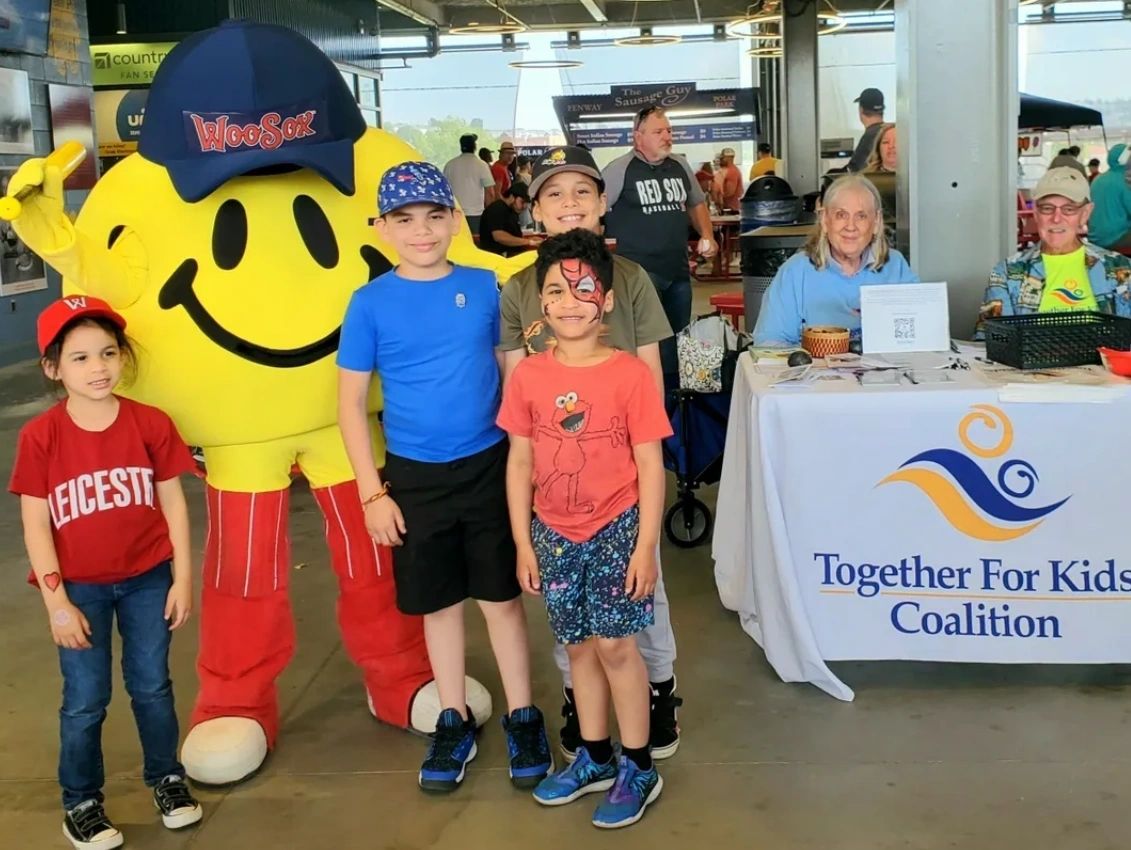
From early education providers to healthcare professionals, policymakers, and parents, the coalition is a driving force for change, addressing gaps in services and advocating for stronger support systems for young children and families
WORCESTER—In Worcester, a child’s well-being isn’t just a family matter—it’s a community priority. The Together for Kids Coalition (TFKC) is a network of more than 200 members dedicated to ensuring that every child in the city has access to the resources they need to thrive.
From early education providers to healthcare professionals, policymakers, and parents, the coalition is a driving force for change, addressing gaps in services and advocating for stronger support systems for young children and families.
Dodi Swope, the coalition coordinator, told the Worcester Guardian that TFKC’s mission is rooted in social-emotional well-being and overall health. “We believe that if every Worcester family has access to basic supports,” she said, “such as safe and affordable housing, livable wage jobs with access to high quality, affordable and accessible early education and care and equitable accessible health care including mental and behavioral health supports, then EVERY Worcester child will thrive.”
A holistic approach to early childhood support
TFKC operates under four guiding pillars: maternal and child Health, early education and care, family voice and lived experience, and community and business engagement. These pillars shape the coalition’s strategic initiatives, which range from universal home visits for newborns to stigma-free infant mental health services. The coalition also works to ensure that families have a strong voice in shaping policies and programs that impact them.
One of TFKC’s key initiatives is the Welcome Baby Passport to Resources, designed to help new parents navigate available support systems. “This project grew from hearing new parents, just home with their new baby, feeling overwhelmed, exhausted, and unaware of where to find support,” Swope explained. By introducing resources to parents before their baby is born, the coalition hopes to make it easier for them to access help when they need it most.
Building bridges between services
One of the coalition’s main challenges is addressing the fragmented nature of early childhood services. “Currently, parents and caregivers of young children must navigate a complex and fractured set of services that do not connect with each other,” Swope said. This can be especially difficult for families from diverse backgrounds or those who face language barriers. TFKC takes a “wraparound” approach to service coordination, connecting families with providers and aligning local resources to maximize impact.
TFKC’s roots date back over 20 years when it was first established through a Synergy Grant from the Health Foundation of Central Massachusetts. Initially focused on addressing the alarming rates of preschool expulsions due to behavioral challenges, the coalition has since evolved into a broader initiative aimed at system-wide improvements. The coalition’s advocacy has even influenced state policy, including the establishment of budget allocations for integrated early childhood mental health services.
Local Impact, statewide influence
Although TFKC is focused on Worcester, its impact extends beyond city limits. The coalition actively engages with statewide and national early childhood advocates to share insights and push for systemic change. “If we aren’t at the table, early childhood is invisible,” Swope said, emphasizing the importance of policy engagement.
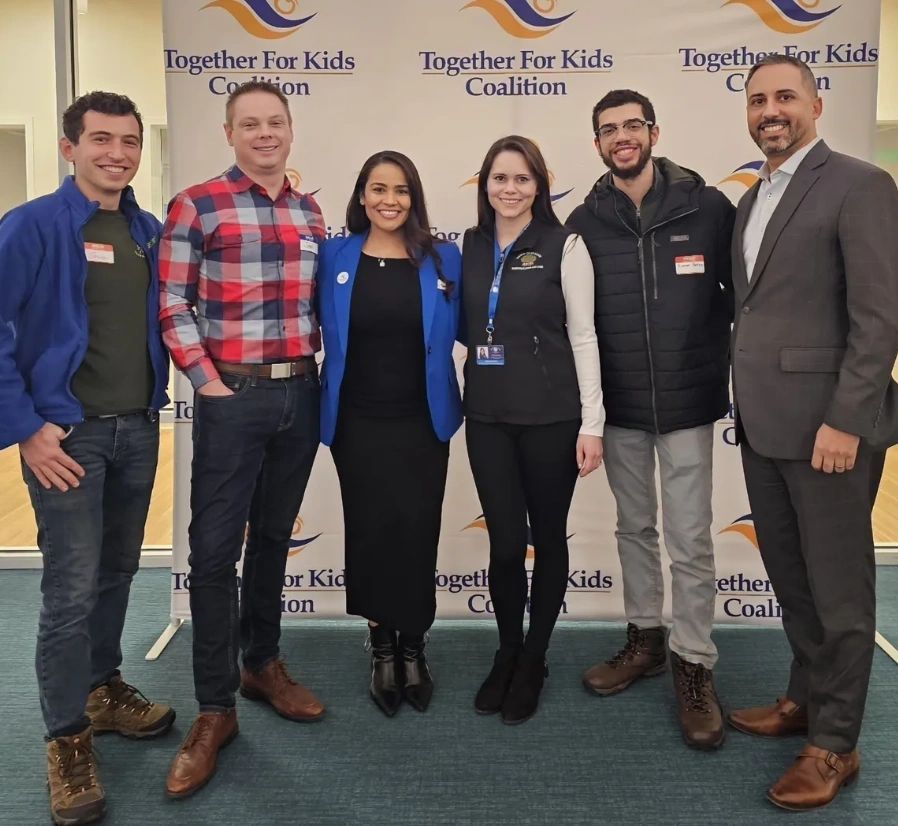
The coalition works closely with city leaders, local organizations, and businesses to create family-friendly policies and expand access to early education. TFKC’s chair, Kim Davenport of Edward Street, represents the coalition on the mayor and city manager’s Governance Council on Children, Youth, and Families, ensuring that early childhood remains a top priority in local decision-making.
Looking ahead
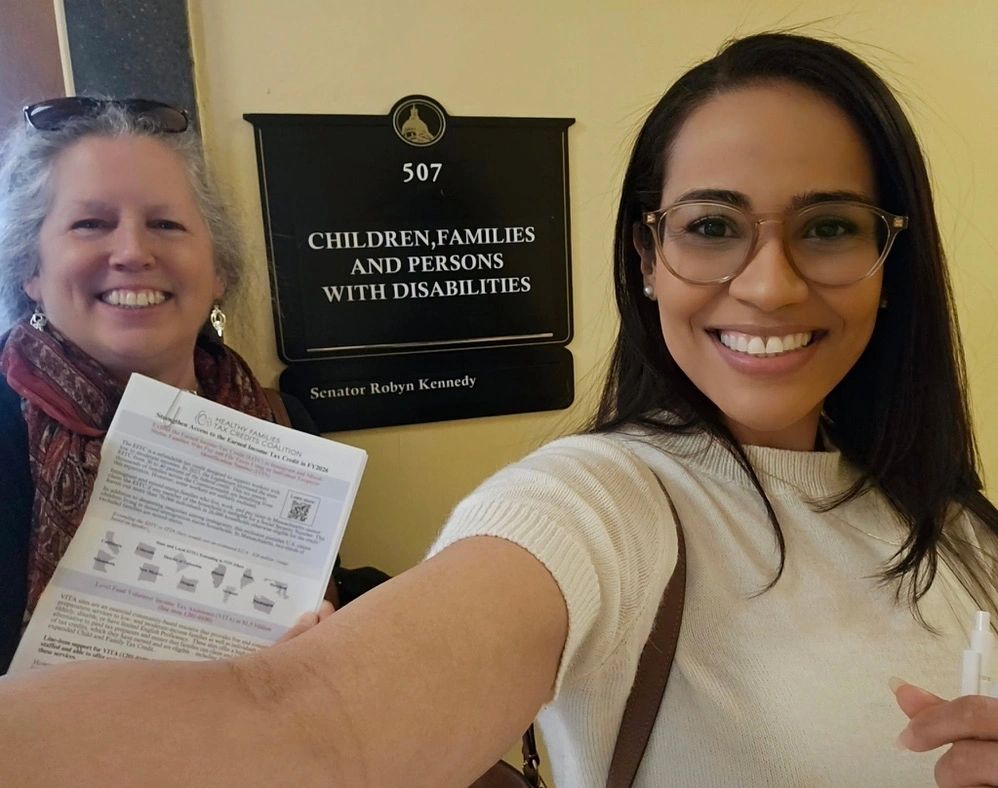
TFKC’s work is far from finished. The coalition continues to advocate for an Early Childhood Strategic Plan for Worcester, and its research on “early childhood deserts” in the city—areas lacking early education resources—has already influenced local planning efforts. Through ongoing collaboration with legislative leaders, including Senator Robyn Kennedy, the coalition aims to further expand resources for young children and their families.
The mental health crisis facing children today is urgent and undeniable, with a system that remains deeply fractured even post-pandemic. According to Swope, the waitlists for services—ranging from postpartum mental health support to autism screenings—are often over a year long, leaving families in limbo and missing critical opportunities for early intervention.
“The first few years are the most important for setting children on a healthy path, but waiting for care means we lose that window,” Swope said.
While children are incredibly resilient, they can only recover from trauma and neglect if the support is there. She stresses that the investment in early childhood care and support is not only crucial for the well-being of families but also for the future of society.
“We have to ask ourselves, what are we doing today to ensure these children,” Swope stressed, “who will one day support us, have the resources they need?”
Have news, tips, or a story worth telling? A good recipe or a funny joke? Reach Editor Charlene Arsenault at carsenault@theworcesterguardian.org—because good stories (and great scoops) deserve to be shared.
- The Worcester Guardian is an independent nonprofit news organization. Support local journalism by making a DONATION today.
