
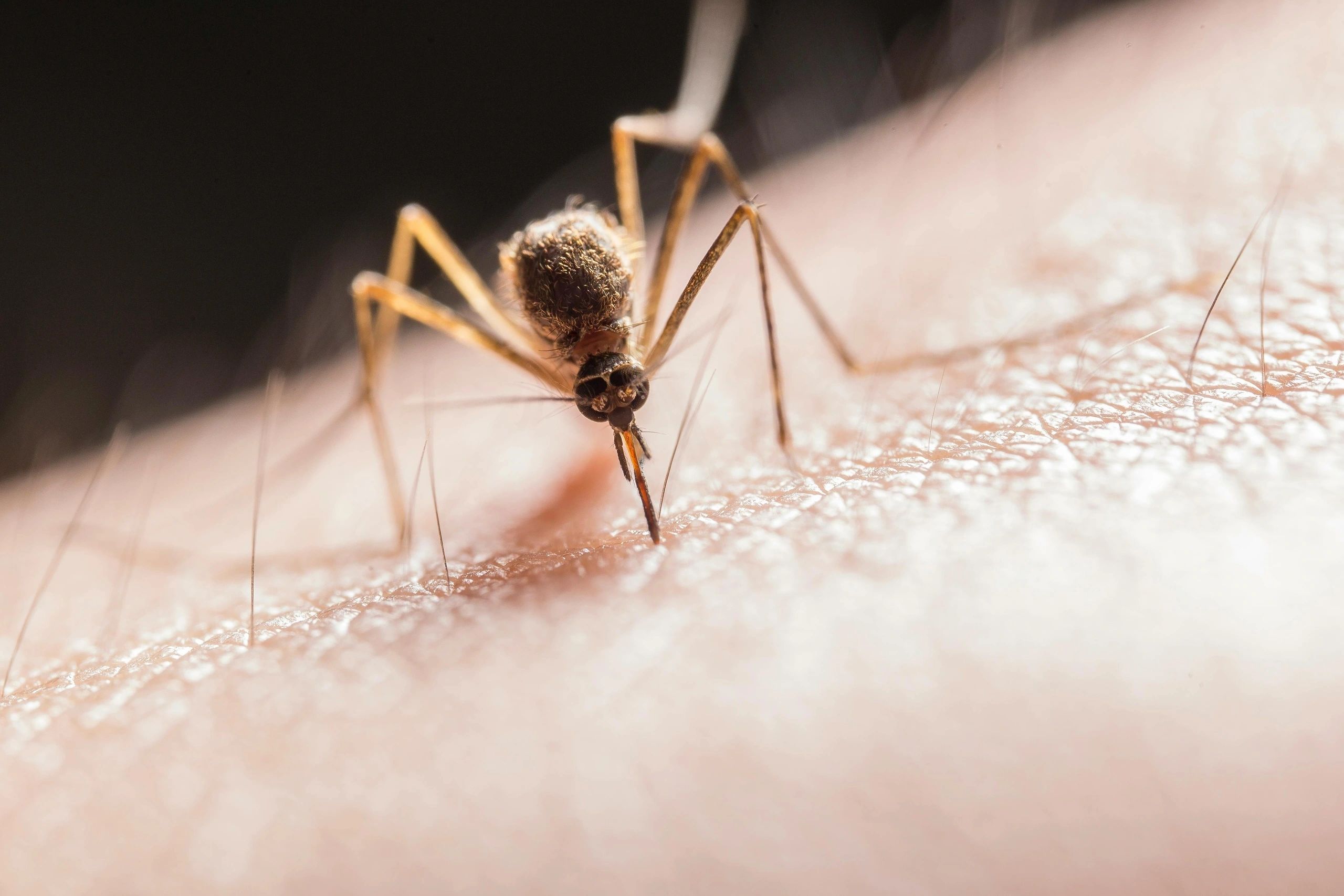
WORCESTER—State health officials announced that West Nile Virus has been detected in mosquitoes collected from a trap site in Worcester, though no human cases have been reported. The Massachusetts Department of Public Health said the city’s risk level still sits at “moderate.”
In response, the Central Massachusetts Mosquito Control Project is conduct truck-mounted spraying in the area where the virus was found on Tuesday, Aug. 26, beginning after 9 p.m., weather permitting. Institute Park will not be included in the spraying, according to the announcement.
Residents who do not want their property treated can request an exemption through the Massachusetts Department of Agricultural Resources website. The mosquito control project is also scheduled to return to Worcester on Sept. 2 to respond to residential concerns. That visit may include additional localized spraying, but any plans will depend on weather conditions and mosquito counts. No aerial spraying is planned.
The announcement noted that the agency’s residential spraying program will close for the season shortly after Labor Day, with requests only accepted through Monday, Aug. 25. In addition to spraying, the project offers services such as ditch maintenance and abandoned pool treatment, and residents can request those services online or by phone.
City officials urged residents in neighborhoods scheduled for spraying to stay indoors during the applications, keep pets inside, and wash any vegetables harvested from home gardens before eating them. While accidental exposure is not expected to cause health problems, the notice said, people with chemical sensitivities or preexisting health conditions should take precautions and consult their doctor if concerned.
Health officials also reminded residents to take steps to avoid mosquito bites. They recommend wearing long sleeves and pants during periods of mosquito activity, using insect repellents that contain DEET, draining standing water where mosquitoes breed, and limiting outdoor activity at dawn and dusk when mosquitoes are most active.
West Nile Virus can infect people of all ages, though those over 50 face the greatest risk of serious illness. Most infections produce no symptoms, but some people may experience fever or flu-like illness. Severe cases, while rare, are possible. The Worcester Division of Public Health said it continues to work with state agencies to monitor mosquito-borne illnesses.
According to state data, Massachusetts recorded 19 human cases of West Nile Virus last year. More information about the virus, along with test results from across the state, is available on the Department of Public Health website.
Have news, tips, or a story worth telling? Reach Editor Charlene Arsenault at carsenault@theworcesterguardian.org—because good stories (and great scoops) deserve to be shared.