
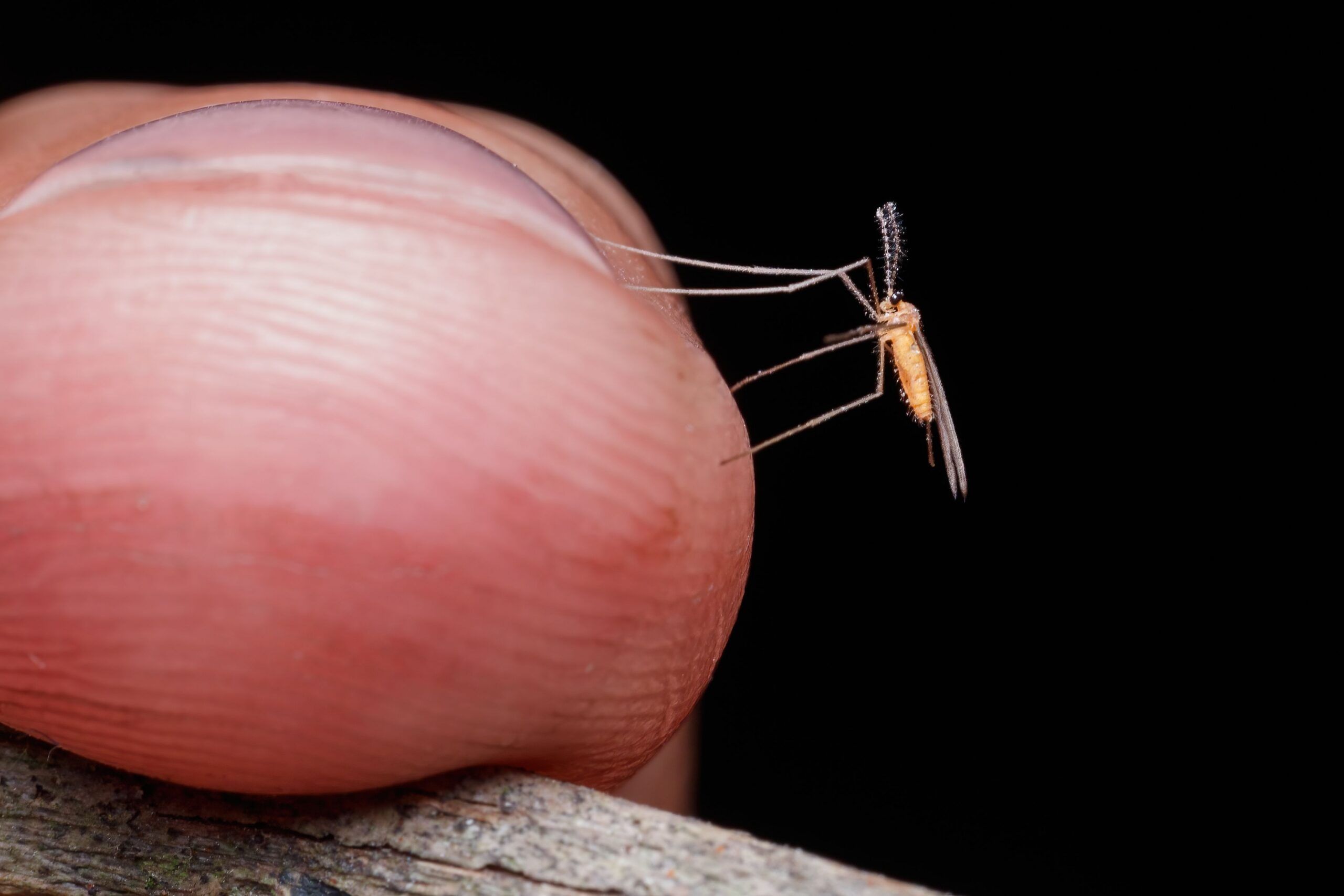
Worcester’s West Nile virus risk has been raised to moderate after another mosquito collected in the city tested positive for the virus, prompting health officials to schedule another round of spraying Tuesday.
No human cases have been detected in Worcester, according to a city announcement. But the latest positive mosquito test marks an increase in concern from late July, when West Nile was detected in a city mosquito trap and Worcester’s risk level remained low.
The Central Massachusetts Mosquito Control Project plans to conduct truck-mounted pesticide spraying Tuesday, Aug. 4, weather permitting, in the general area where the latest positive mosquito was collected. Additional Worcester spraying is tentatively scheduled for Aug. 11, 18 and 25, though those dates could change based on weather, mosquito populations and virus activity.
The city did not identify the neighborhood where the positive mosquito was collected in its announcement, but said a map of the area targeted for spraying has been made available to residents.
The elevated risk level does not mean a Worcester resident has contracted West Nile. Rather, it reflects increased evidence of the virus circulating among mosquitoes and a greater potential for human infection.
West Nile virus is spread through the bite of an infected mosquito. Most people who become infected do not develop symptoms, according to the city, while some may experience fever and flu-like illness. Severe illness is rare, although people over 50 face a greater risk of serious infection.
Nine human cases were reported in Massachusetts in 2025.
For residents in neighborhoods scheduled for spraying, city health officials recommend closing street-facing windows and shutting off air conditioners that draw outside air. Pets should be kept indoors between sunset and midnight, and residents are advised to remain inside during spraying and for 15 to 20 minutes afterward.
Children should not play near or behind mosquito-control trucks while pesticide is being applied, and vegetables picked from home gardens should be washed before they are eaten.
According to the city announcement, accidental exposure to the pesticide is not expected to cause health problems for most people. Those with chemical sensitivities or health conditions that could be aggravated by spraying are advised to consult a physician and take additional precautions.
Residents can also take steps to reduce their chances of being bitten, particularly around dawn and dusk, when mosquitoes are most active. Health officials recommend using insect repellent containing DEET, wearing long sleeves and pants when practical and regularly emptying buckets, toys, containers and other objects where standing water can collect.
Window and door screens can also help keep mosquitoes outside, while clothing treated with permethrin can provide additional protection.
Residents whose neighborhoods are targeted for spraying will be notified through city email, social media and text alerts. The city is encouraging residents to make sure their contact information is current in the ALERTWorcester emergency notification system.
Property owners who do not want their property included in wide-area pesticide applications can request an exclusion through the Massachusetts Department of Agricultural Resources.
The Worcester Division of Public Health is monitoring mosquito-borne illness in coordination with the Massachusetts Department of Public Health and other agencies. Additional alerts will be issued if mosquito-borne illnesses are detected at levels requiring emergency spraying.
The Central Massachusetts Mosquito Control Project also provides mosquito-related services including treatment of abandoned swimming pools and ditch maintenance.
For now, the finding means Worcester has moved one step up the state’s West Nile risk scale, and mosquito season still has plenty of summer left.