
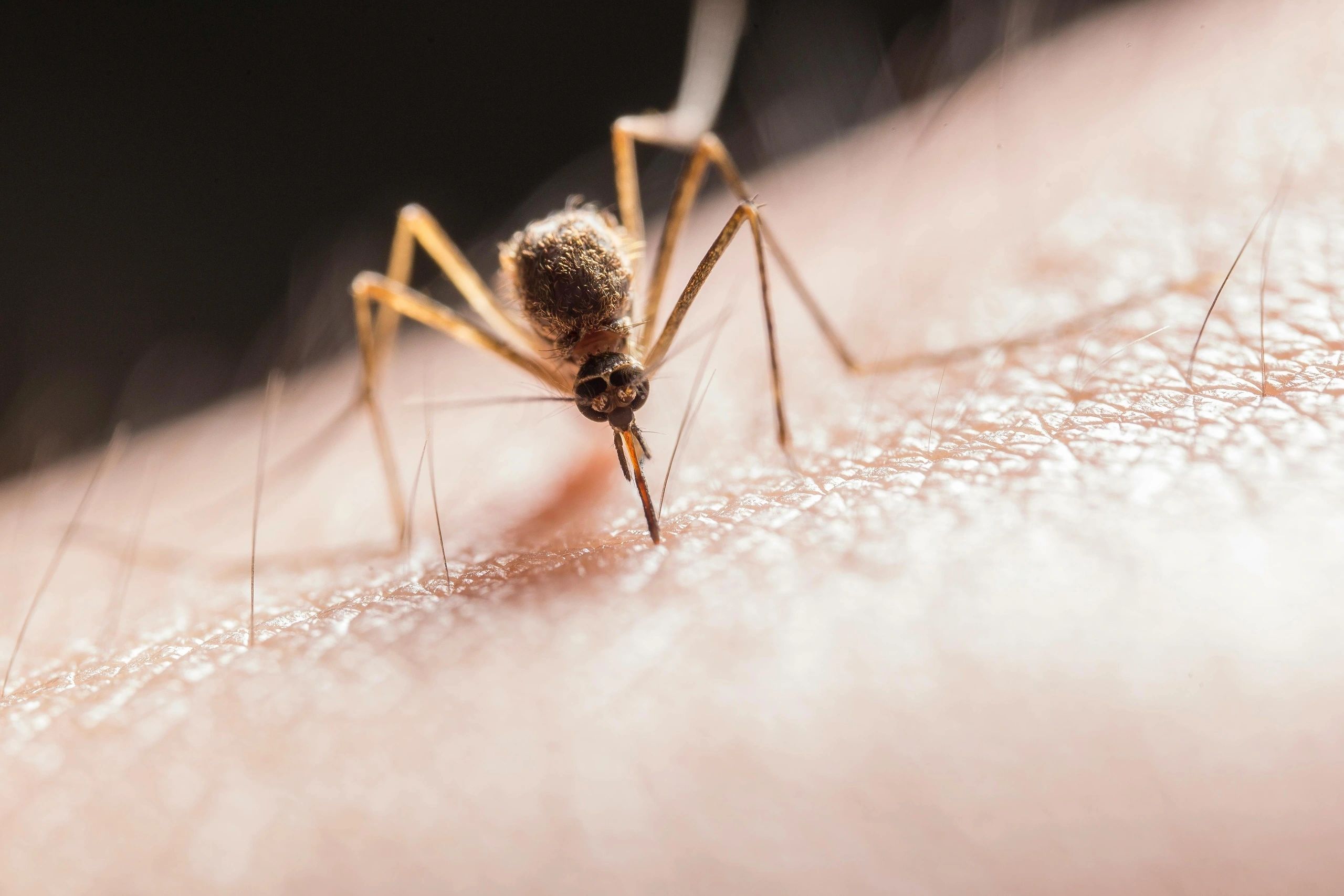
WORCESTER—The Massachusetts Department of Public Health (MDPH) confirmed the detection of West Nile Virus (WNV) in mosquitoes collected in Worcester. Currently, no human cases have been reported, and the WNV risk level in Worcester remains low.
In collaboration with the city, the Central Massachusetts Mosquito Control Project (CMMCP) has planned a truck-mounted pesticide application on Thursday, July 25, starting after 8:30 p.m. (weather permitting), targeting the area where the positive WNV mosquito was found.
If weather conditions prevent spraying on that date, it will be rescheduled for Friday, July 26.
The spraying area, detailed on the map above, includes Rural Cemetery and several surrounding blocks. Institute Park will not be sprayed at this time.
Additionally, CMMCP personnel are tentatively scheduled to be in Worcester on August 6, 13, 20, and 27 to address mosquito-related concerns from residents. Requests for localized pesticide spraying using truck-mounted equipment may be considered on those dates.
Residents can opt out of having their property sprayed during wide-area pesticide applications by following the instructions on the Massachusetts Department of Agricultural Resources website.
Residents are advised to observe the following precautions if their area is being sprayed:
- Close street-facing windows and turn off any “outside air” settings on air conditioners.
- Keep pets inside between sunset and midnight, and do not let children play near or behind truck-mounted applicators when they are in use.
- Remain inside during the application and for 15-20 minutes afterwards.
- Wash off any vegetables from home gardens after spraying and before consuming them.
Accidental exposure to the pesticide is not expected to cause health concerns for most people. However, individuals with chemical sensitivities or preexisting health conditions should consult their physician and take precautions to avoid exposure if necessary. Similarly, accidental exposure to pets is unlikely to pose a problem since the pesticide used is similar to those found in flea and tick control products.
The municipality will also notify residents in specific areas and neighborhoods to be sprayed via email, social media, and text. Residents interested in receiving these alerts should ensure that they are registered for ALERTWorcester with an up-to-date email and/or phone number. Additional alerts will be sent if cases of mosquito-borne illness are detected and necessitate emergency spraying.
To avoid mosquito bites and the diseases they can transmit, residents are encouraged to practice the “5 Ds:”
- DRESS in long sleeves and pants when possible. Cover up during periods of mosquito activity.
- DEET is an effective insect repellent. Always follow the label instructions.
- DAWN & DUSK are mosquitoes’ most active periods.
- DRAIN water from containers weekly. Avoid standing water, such as rain collecting in open bins, buckets, or toys.
Clothing treated with insect repellent is also available, and permethrin—the repellent commonly used—can be applied to treat clothing manually. Installing and repairing screens will help to keep mosquitoes out of homes.
In 2023, Worcester reported four mosquito samples testing positive for West Nile Virus (WNV) and identified one human case. Although WNV can affect individuals of all ages, those over 50 are at a higher risk for severe infection. Most people infected with WNV will not exhibit symptoms, though some may experience fever, flu-like illness, and in rare instances, more severe health issues.
The Worcester Division of Public Health (WDPH) collaborates with the Massachusetts Department of Public Health (MDPH) and other agencies to monitor WNV and other mosquito-borne diseases. If a case is detected within the city, WDPH Nursing staff will follow standard case management procedures..
More information from MDPH, including all WNV and Eastern equine encephalitis (EEE) positive results in the state, can be found at www.mass.gov/dph/mosquito, or by calling the MDPH Division of Epidemiology at 617-983-6800.
If an animal is suspected of having WNV or EEE, owners are required to report it to the Massachusetts Department of Agricultural Resources, Division of Animal Health by calling 617-626-1795, and to MDPH by calling 617-983-6800.
In addition to mosquito spraying, the CMMCP offers a variety of services such as ditch maintenance and abandoned swimming pool treatment. Residents may access forms for all service requests on the CMMCP website or by calling 508-393-3055, Monday through Friday between 7 a.m.and 3:30 p.m. Information about the products and Integrated Pest Management program used by the CMMCP is available at cmmcp.org/pesticide-information.
The CMMCP’s full 2024 spraying schedule is available on its site, and specific areas to be sprayed will be posted both on its website and phone system (508-393-3055) each day after 3:30 p.m.
The scheduled dates and locations are subject to change due to weather conditions, mosquito populations, mosquito virus activity, and/or special event spraying. According the CMMCP, the mosquito control program will cease once cool nighttime temperatures become predominant in the area.
News releases can be sent to Charlene Arsenault at carsenault@theworcesterguardian.org
As the Worcester Guardian marks more than half a year of delivering free, independent digital news to our city, our dedication to this mission strengthens. Please consider a tax-deductible donation to support our ongoing commitment to providing hyperlocal news coverage to Worcester. Scroll to the bottom of our home page to sign up for our daily newsletter