
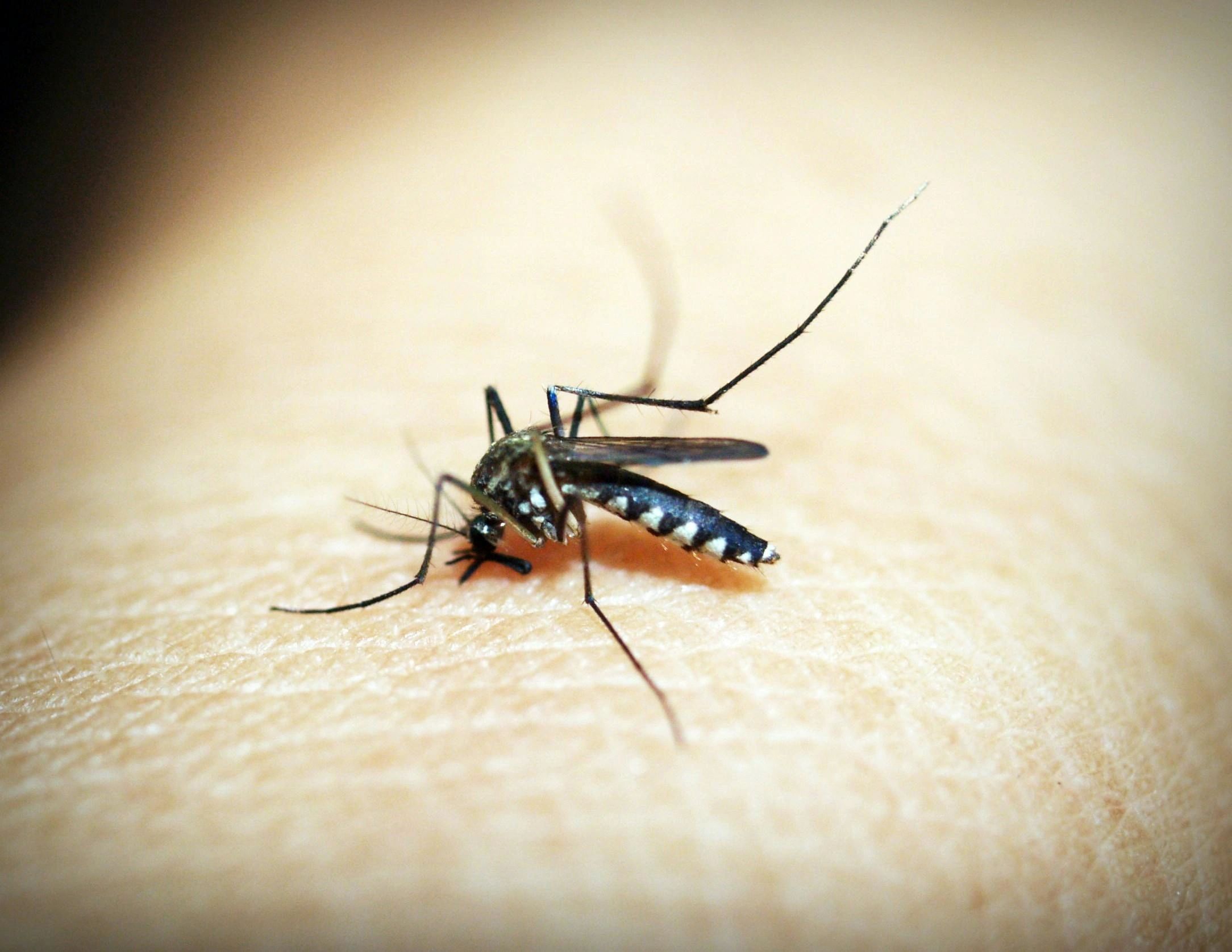
WORCESTER—West Nile Virus (WNV) has been detected in a mosquito sample collected from a trap site in the Burncoat neighborhood, the Massachusetts Department of Public Health (MDPH) announced this week. The city’s WNV risk level remains at Moderate.
In response, the Central Massachusetts Mosquito Control Project (CMMCP), in coordination with the city, is conducting truck-mounted pesticide spraying on Thursday, Sept. 11, after 7 p.m. (weather permitting) in the area where the positive mosquitoes were found. Maps of spray areas are available through the CMMCP.
Residents who do not wish their property to be sprayed during wide-area applications may request an exclusion through the state Department of Agricultural Resources. Instructions are posted at mass.gov/how-to/how-to-request-an-exclusion-or-opt-out-from-wide-area-pesticide-applications.
City officials said residents in spray zones will be notified via email, text, and social media through ALERTWorcester. Residents are encouraged to register and keep their contact information up to date at worcesterma.gov/emergency-communications/alertworcester.
According to the CMMCP, people in affected neighborhoods should take simple precautions during and shortly after spraying:
- Close street-facing windows and turn off air conditioners set to “outside air.”
- Keep pets indoors between sunset and midnight.
- Remain inside while spraying is in progress and for 15–20 minutes afterwards.
- Wash garden vegetables before eating.
Accidental exposure is not expected to cause health concerns for most people or pets, the agency noted, although those with chemical sensitivities should consult a physician about extra precautions.
The CMMCP also advises residents to follow the “5 Ds” to reduce mosquito-borne risks:
- Dress in long sleeves and pants when outdoors
- Use DEET or another EPA-approved repellent
- Be cautious at dawn and dusk, when mosquitoes are most active
- Drain standing water around homes
While most people infected with WNV show no symptoms, some may develop fever, flu-like illness, or—in rare cases—serious complications. People over age 50 are at greater risk.
So far in 2025, four human cases of WNV have been reported in Massachusetts, according to the MDPH. The Worcester Division of Public Health continues to monitor the situation in coordination with state health agencies.
More information on mosquito-borne illnesses is available at mass.gov/mosquito-borne-diseases or by calling the MDPH Division of Epidemiology at 617-983-6800.