WORCESTER—The city’s is out of snow season, but not out of the bill for the clean-up.
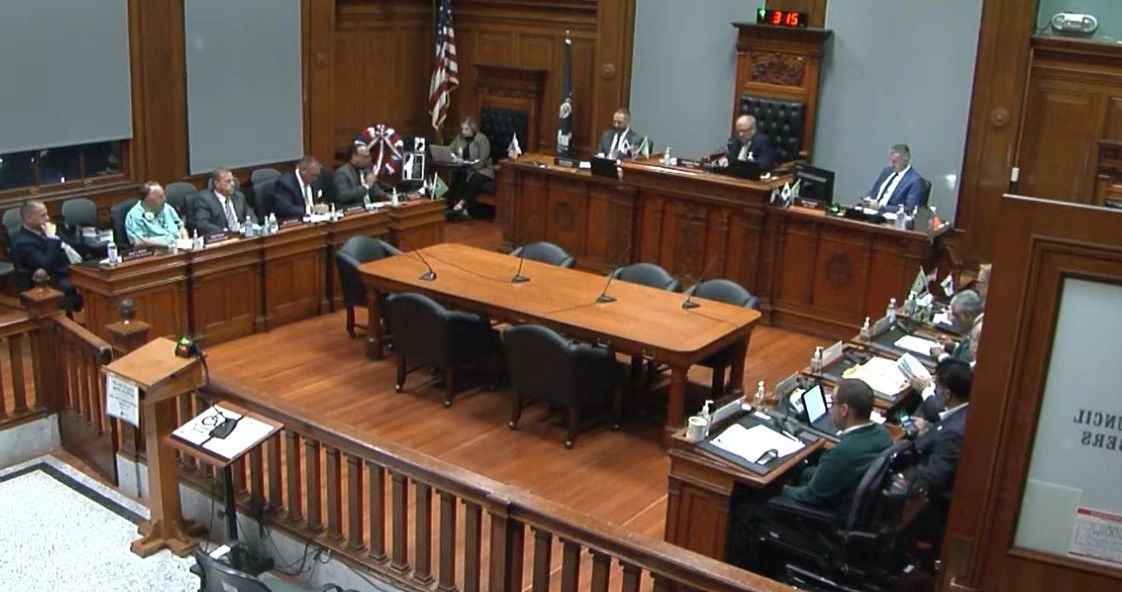
City councilors Tuesday review a winter operations report showing the city spent more than $10 million responding to the 2025-26 winter season—nearly double the $5.5 million originally budgeted. The season ranked as the eighth snowiest in Worcester’s recorded history, with 79.4 inches of snow, two major storms and several ice events that strained crews, equipment and salt supplies. For residents who spent the winter digging out, dodging snowbanks and wondering when their street would be cleared, the report is City Hall’s stab at explaining what happened — and what needs to change before next winter rolls in.
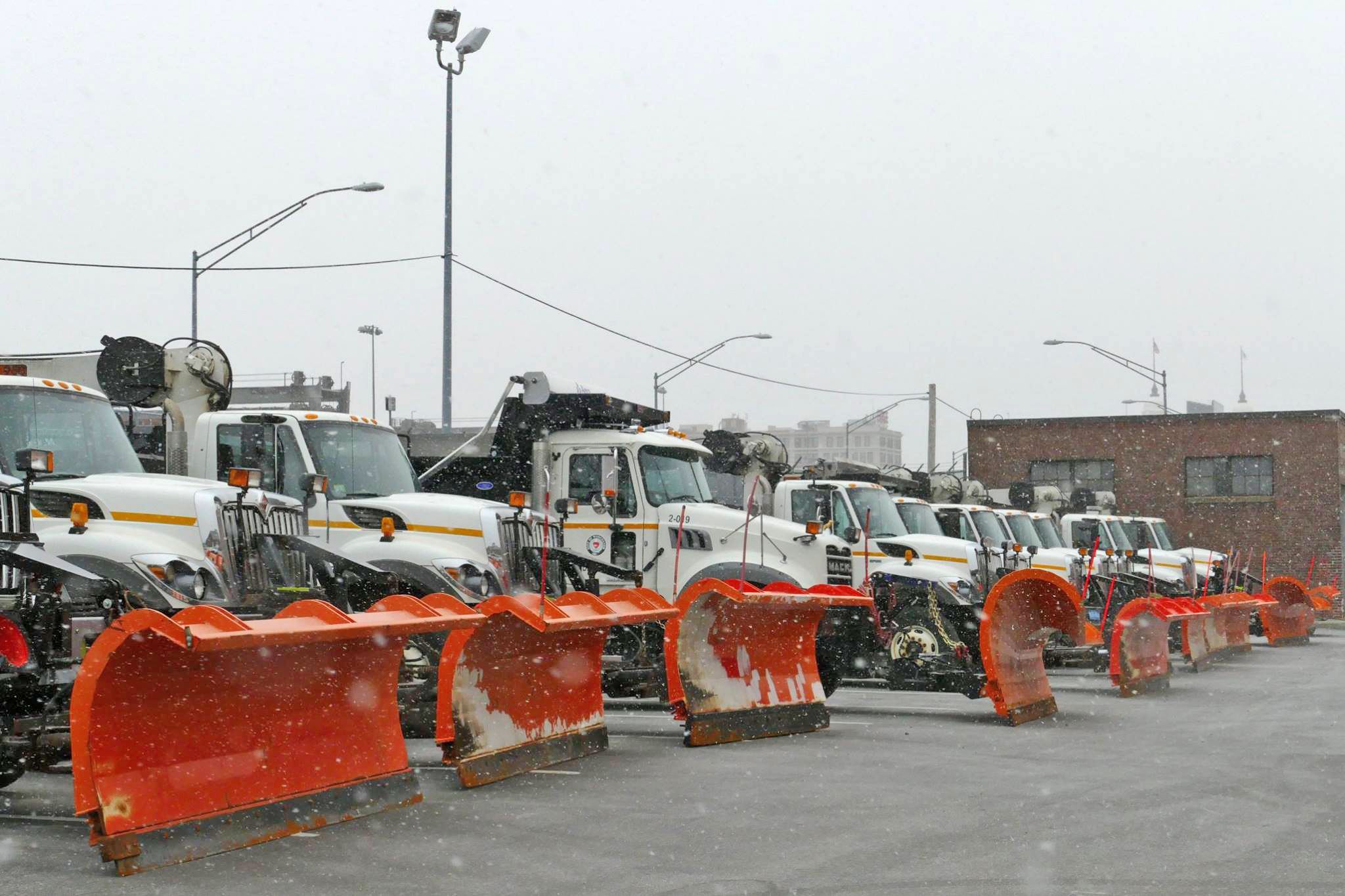
The Department of Public Works report says crews responded to 22 winter weather events, including a storm that dropped 22 inches on Jan. 25-26 and a blizzard that brought 16 inches of snow our way Feb. 22-23. Salt use rose sharply, with 20,729 tons spread this season compared with 13,620 tons the year before, a 52.2% increase. The city also spent $1.46 million on salt, up from $861,680 last year, while the average cost per ton climbed 11.4%. The administration says DPW delivered a strong response under difficult conditions, but the report also identifies familiar pressure points: staffing shortages during long storms, aging equipment, fewer contractor units than in 2016, deteriorating salt storage facilities and higher expectations from residents.
The snow report lands alongside a broader financial update showing the city’s general finances remain stable through the first eight months of fiscal 2026. Chief Financial Officer Timothy J. McGourthy reports that revenues stood at 69% of the municipal budget as of Feb. 28, while expenditures were at 64%. Property tax collections and local receipts are described as stable, though the city absorbed a roughly $2.7 million decrease in state aid, affecting both municipal government and Worcester Public Schools.
One looming cost, however, is the settlement with the town of Holden in a long-running sewer case. Worcester paid Holden $10 million on April 1 from the sewer reserve and owes another $10.5 million on July 1, which the city expects to cover through borrowing. Those costs are not yet reflected in the February financial update, but the administration says they could affect the Sewer Fund in fiscal 2027 and beyond.

Councilors also receive an update on a newly expanded policy allowing alcohol sales and consumption at more city parks during permitted special and sporting events. The Parks and Recreation Commission approved the change April 16, adding Green Hill Park, Elm Park, Institute Park and Cristoforo Colombo, or East Park, to a policy that already allowed alcohol at Worcester Common events and Green Hill Golf Course. City officials say the change could help existing events grow, reduce reliance on the common and support local businesses, though the policy will be reviewed in fall 2027 based on neighborhood and departmental impacts.
Food businesses are also facing a change, though one aimed less at red tape than risk. Inspectional Services is moving Worcester from a food permit system based on seating capacity to one based on the level of food safety risk. Under the new structure, low-risk establishments such as convenience stores and coffee shops would pay less and be inspected less often, while higher-risk operations — including full-service restaurants, institutions and businesses serving vulnerable populations—would face more frequent inspection and higher fees. The city says the change better matches inspection resources to actual foodborne illness risk and gives businesses a path to lower fees through strong compliance.
Public health appears elsewhere on the agenda, too. Councilors are expected to consider a resolution supporting state legislation known as Primary Care for You, which would open up wider access to primary care by eliminating copays and deductibles for patients at participating practices. Councilor Gary Rosen is also asking the Public Health and Human Services Committee to review Metrik, the state’s new public health data and workflow platform, and to hold hearings on youth mental health in Worcester.

Other highlights on the agenda
- Community Healthlink transition still in focus: Councilor Khrystian King’s resolution supporting a public transition plan for Community Healthlink services returns as a first item of business. The resolution calls on UMass Memorial Health to convene municipal and state officials, community members and SEIU union representatives to discuss how mental health and substance use services will move to new providers without interruption. Community Healthlink has long served some of the city’s most vulnerable residents, and any service gap could have serious consequences for patients, families and workers. The resolution would not control the transition, but it would put the council on record calling for transparency and coordination.
- A closer look at mental health emergency response: A held order from Councilor Kathleen Toomey asks for a report on how Worcester police and emergency communications officials respond to mental health-related emergencies. The request follows heightened scrutiny of crisis response systems, including questions about when police, clinicians or other responders should be sent to behavioral health calls. The report would cover current procedures, along with any programs or initiatives the city has adopted. For residents, the key issue is whether the city’s emergency response system is equipped to handle mental health crises safely, consistently and appropriately.
- WPS budget questions head toward committee: King is asking the Standing Committee on Education to invite the city’s chief financial officer and the Worcester Public Schools chief financial and operations officer to discuss the fiscal 2027 school budget. That request comes as both the city and school department are dealing with state aid changes, rising costs and growing pressure around school funding. A committee presentation would give councilors a more public look at the numbers before budget decisions are finalized. It also gives residents a clearer window into how school spending plans are being shaped.
- Elm Park plans move from sketches to public review: The city reviews eight conceptual designs for the Newton Hill section of Elm Park, focused on the Newton Square tennis and basketball court area. The designs were prepared by UMass Amherst landscape architecture students and will be presented at a public meeting May 7 at Cornerstone Bank on Park Ave. Feedback from residents and park users will be folded into a preferred concept by Beals & Thomas, Inc., eventually becoming a guidebook for future improvements when funding becomes available. It is early-stage planning, but it gives neighbors a chance to shape the future of one of Worcester’s most visible and widely-used park spaces.
- Worcester keeps its Tree City streak alive: Worcester has been named a Tree City USA community for the 40th consecutive year and received the Tree City USA Growth Award for the 27th consecutive year. The Arbor Day Foundation recognition is tied to standards such as having a tree board or department, an urban forestry program and Arbor Day observance. City officials say Worcester has exceeded those standards through its Forestry Division, Urban Forestry Tree Commission and Urban Forest Master Plan. It is a quieter agenda item, but in a city dealing with heat islands, stormwater and neighborhood greening needs, trees are not just decoration.
- Union Station restaurant space draws attention: King is asking for an update on when bids will be available for the restaurant space inside Union Station, with the current lease set to expire before July 1. The request matters because Union Station remains one of Worcester’s most important public buildings and a key gateway for commuters, visitors and events. A vacant or underused restaurant space can affect both the experience of the station and the city’s broader downtown economic development goals. The report could clarify how quickly the city plans to seek a new operator.
- Cannabis rollback opposition proposed: Rosen is proposing a resolution putting the city council on record against a November state ballot question that would roll back marijuana legalization in Massachusetts. According to the resolution, passage would require recreational marijuana shops to convert to medical marijuana shops and would end adults’ right to grow cannabis at home. The item is a position statement rather than a local regulatory change, but it would put Worcester into a statewide political debate. Because the city has local cannabis businesses and residents affected by state marijuana law, the issue has both economic and personal stakes.
- A swim access check before summer: Rosen is asking for a report on whether Worcester has enough affordable swimming options, including city, state, public, private and college-owned pools, as well as lakes and ponds. The request also asks whether state or federal money could help build a pool at Beaver Brook Park. The timing matters as summer approaches and cities across the state face questions about pool access, lifeguard staffing and youth swimming lessons.
- New rules for noisy neighbors? Councilor Satya Mitra is asking for a report on Worcester’s ordinance covering excessive and unreasonable noise. The request also seeks clarity on which city departments are responsible for enforcement. Noise complaints can be tricky because they sit at the intersection of quality of life, policing, public health and neighborhood disputes.
- Pickleball and dog park lighting return: Two parks items focus on smaller but popular quality-of-life improvements: pickleball courts at Green Hill Park and solar-powered lights at Beaver Brook Dog Park. Both requests come from the Veterans’ Memorials, Parks and Recreation Committee and ask for updates from the parks commissioner. Pickleball has become a fast-growing demand in many cities (it’s even causing feuding with the tennis players in some areas), while lighting at dog parks can extend safe use during darker months.
- State grants would support IT and consumer protection: Councilors consider accepting a $95,125 Community Compact IT Grant to improve digital accessibility and a $140,000 grant from the Massachusetts Attorney General’s Office for Worcester’s Local Consumer Assistance Program. The IT money does not require matching funds or new staff and is tied to the city’s strategic goal of making information more accessible to Worcester’s diverse community. The consumer assistance grant would continue funding three part-time employees and expenses for a program that helps residents resolve complaints and avoid scams, fraud and identity theft.

Have news, tips, or a story worth telling? Reach Editor Charlene Arsenault at carsenault@theworcesterguardian.org—because good stories (and great scoops) deserve to be shared.
The Worcester Guardian is an independent nonprofit news organization. Support local journalism by making a DONATION today.