
WORCESTER—The Worcester City Council voted 8-3 Tuesday to reject a proposed ordinance restricting equipment used on animals at rodeos, ending a yearlong effort to establish additional animal-welfare protections for events held on municipal property.
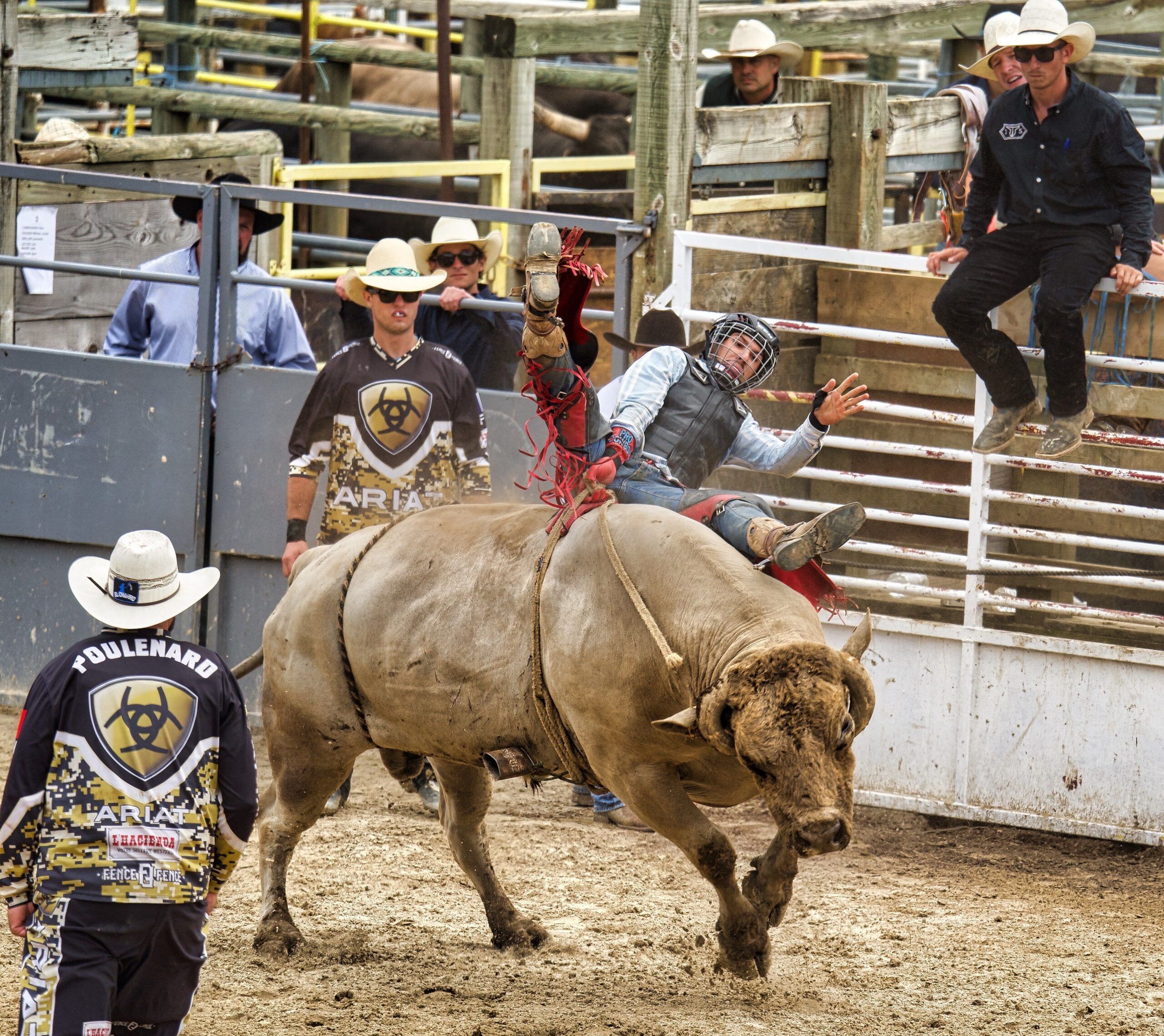
The Nov. 17 vote to file the ordinance followed a debate over whether prohibiting flank straps, electric prods and other practices considered harmful to animals would improve public safety and animal welfare or effectively eliminate professional bull riding from the DCU Center, costing Worcester a popular attraction and the business it generates.
Councilors Khrystian King, Robert Bilotta and Luis Ojeda opposed filing the measure. Mayor Joseph Petty and councilors Tony Economou, Kathleen Toomey, Morris Bergman, Satya Mitra, John Fresolo, Jose Rivera and Gary Rosen voted to file it.
The decision leaves existing state animal-cruelty laws and rodeo industry standards in place without adding the proposed municipal restrictions.
The ordinance, drafted by City Solicitor Alexandra Kalkounis at the council’s request, would have prohibited the use of flank or bucking straps, electric prods, certain spurs and other devices or techniques considered likely to cause pain, injury or distress to animals. Violations would have carried fines of up to $300 per offense.
Although supporters maintained that the proposal was intended to regulate equipment rather than ban rodeos, City Manager Eric Batista warned that eliminating flank straps would make it impossible for professional bull-riding competitions to continue operating in Worcester under their existing rules.
King urges further debate
King, the council’s vice chairman, initiated the effort in November 2025 after animal welfare advocates raised concerns about the treatment of bulls and other animals during rodeo competitions.
He urged his colleagues Tuesday to send the proposed ordinance to committee rather than dismiss it, arguing that further discussion could help the city balance animal welfare, public safety and Western sporting traditions.
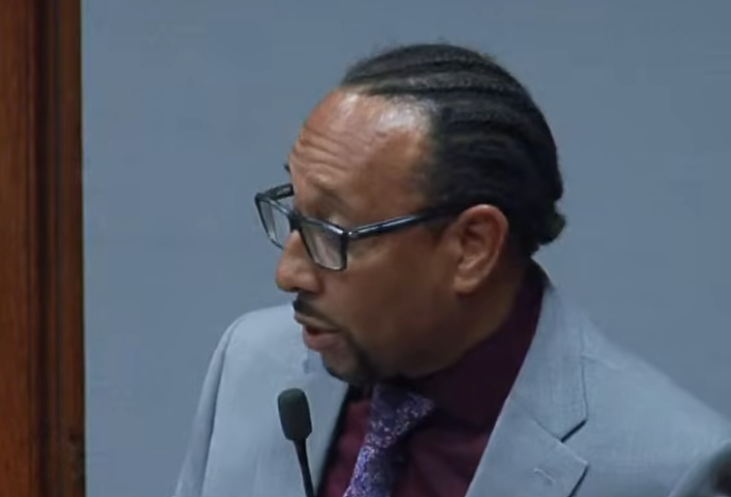
“There’s an important distinction between banning an entire event and establishing reasonable standards for how those events are conducted,” King said.
He pointed to veterinary professionals and animal welfare organizations, including the MSPCA and Animal Rescue League of Boston, that have raised objections to rodeo practices.
“We should not dismiss those perspectives simply because they challenge established industry practices,” King said. “When the welfare of animals is an issue, that expertise deserves a meaningful place in the conversation.”
King also challenged the argument that Worcester would necessarily lose significant entertainment revenue if traditional bull-riding events could no longer operate under existing rules. He cited a recent Disney concert at the DCU Center that drew a large crowd of children and families as an example of other events capable of attracting visitors.
He proposed adding a 12- to 36-month phase-in period to the ordinance to give event organizers time to adjust bookings and avoid disrupting existing contracts.
“This should not be an all-or-nothing conversation,” King said. “We can respect the rodeo industry, recognize the importance of Western heritage, and still ask legitimate questions about animal welfare and public safety.”
His request to refer the proposal to committee never received a vote. Economou’s motion to file the ordinance took precedence.
Economic concerns and existing protections
Economou argued that rodeos bring visitors to Worcester who spend money at restaurants, hotels, parking facilities and other businesses.
“I appreciate that they come here and have dinner here in Worcester to keep our residents employed,” Economou said. He also pointed to jobs supported by events at the taxpayer-owned DCU Center.
Economou maintained that Massachusetts law already prohibits animal cruelty and disputed claims that flank straps cause pain. He compared their use to pressure from equipment commonly used with horses and dogs.
“Despite what you hear from certain animal rights activists, this strap does not induce pain,” he said.
Batista’s letter accompanying the ordinance cited an average annual attendance of 13,500 at Professional Bull Riders events in Worcester between 2001 and 2025. According to the administration, approximately 44% of attendees came from Massachusetts counties outside Worcester County, while another 16% traveled from out of state.
The city manager also pointed to February’s sold-out Bulls, Bands & Barrels event, which combined bull riding and barrel racing with performances by country artists Jon Pardi and Ashley Cooke.
During Tuesday’s meeting, Batista acknowledged disagreement over whether flank straps harm animals.
“There is a lot of research on flank straps, and the research in some ways can be conflicting because there’s research on both sides,” he said.
Batista said the professional bull-riding events contracted by the DCU Center do not use the electric prods and other equipment addressed in the ordinance, but do use flank straps. He also described existing state and municipal inspections, saying the state is responsible for enforcing animal-welfare requirements while Worcester inspectors oversee aspects of the event facilities.
The council did not resolve the disagreement over the effects of flank straps. King argued that the conflicting claims were themselves a reason to send the ordinance to committee for additional examination.
Councilors question scope and enforcement
Toomey said she supports humane treatment of animals but could not endorse restrictions that might eliminate professional bull riding from Worcester without what she considered sufficient evidence.
“I can’t support an ordinance that would effectively eliminate professional bull riding from Worcester without sufficient evidence that such a sweeping restriction is necessary,” she said.
She emphasized that competing bulls can be extremely valuable animals whose owners have a financial incentive to maintain their health.
“That doesn’t eliminate the need for oversight, but it’s an important consideration,” Toomey said.
She also argued that any additional animal-welfare safeguards should be considered at the state level rather than imposed separately by individual municipalities.
Bergman made a similar argument, saying his opposition was based on the appropriate level of government for such restrictions, not their potential economic impact. He began by describing his own affection for animals, including his dog and a pet bird. Bergman acknowledged the ethical questions surrounding keeping a bird in a cage.
“Currently, have a dog, have a bird, have a dilemma that I probably should never have gotten a bird because a bird in a cage is probably going to be accused of some sort of abuse, and I get that,” he said. “I would never get another one, probably for that reason.”
Bergman said he would consider supporting statewide restrictions if evidence demonstrated that the equipment was harmful, but did not believe Worcester should act alone.
“I just think this is the wrong venue,” he said.
He added that his position had “absolutely nothing” to do with the economics of rodeos and everything to do with his belief that animal-cruelty regulations should be addressed by state lawmakers.
Mitra questioned Batista about existing inspections and penalties, expressing concern that a $300 fine would be too small to deter a company from violating the proposed ordinance.
“I would say that they should just be totally taken out of here,” Mitra said, suggesting that repeat or serious violators should be prohibited from returning to Worcester.
Mitra ultimately voted to file the proposal.
Advocates say residents were ignored
Animal welfare advocates who spent more than a year campaigning for the restrictions sharply criticized the council’s decision.
Karen Bacon, founder of Positive Change for Animals, said supporters had contacted councilors in significant numbers before the vote.
“I feel that the constituents’ voices were ignored,” Bacon told the Worcester Guardian.
Bacon said digital advocacy campaigns generated approximately 100 emails or other contacts supporting the ordinance in the days before the meeting, in addition to outreach by individual residents. She estimated that at least 10 people spoke in favor of the measure during public participation.
She also rejected Batista’s characterization of the scientific evidence surrounding flank straps, arguing that their purpose is to provoke an exaggerated bucking response from animals.
Bacon disputed claims that soft cotton construction makes the straps harmless, maintaining that the relevant question is how the animals react to the equipment.
She said advocates intend to continue organizing and have launched an online petition criticizing the council’s decision.
“We will continue to dispel myths and propaganda about rodeo tools of torment, and get additional supporters,” Bacon said.
Matthew A. King, president of the Christian Animal Rights Association, accused city officials of placing the interests of the DCU Center’s management company ahead of animal welfare.
“It’s deeply disappointing that City Manager Eric Batista and the eight city councilors who voted to kill this ordinance chose to prioritize the profit margins of ASM Global—an out-of-state corporation based in Los Angeles—over the clear wishes of Worcester residents,” King told the Worcester Guardian.
King said advocates had proposed a phase-in period and identified alternative Western sporting events that could continue without the equipment targeted by the ordinance.
“Every economic concern was addressed through a phase-in period and viable, cruelty-free Western event alternatives, yet it was clear the outcome was decided before Tuesday’s meeting even began,” he said.
That characterization reflects the advocates’ assessment of the council’s decision. Councilors who supported filing the ordinance offered several explanations during the meeting, including economic concerns, questions about the evidence of harm and a preference for statewide regulation. King also challenged Batista’s description of flank straps as harmless, citing objections raised by animal welfare organizations and veterinary professionals.
Tracy Knight, another supporter of the proposed restrictions, said she was disappointed that councilors rejected the measure despite testimony from animal advocates.
“I don’t understand what motivated so many of them to vote against instruments that unquestionably cause animal suffering,” Knight told the Guardian.
Knight said she plans to continue working with Bacon and Matthew King.
“We won’t stop fighting for the bulls,” she said.
What the decision means
The proposed ordinance would have applied to rodeos on municipal property, including the DCU Center, rather than imposing a citywide prohibition on all rodeo activities.
It would have specifically barred flank straps, electric prods, wire tiedowns, sharpened or fixed spurs and other practices described as cruel. The draft also prohibited certain physical and chemical irritants, beating and handling techniques such as tail twisting and ear pulling.
Massachusetts law already prohibits animal torture, torment and unnecessarily cruel treatment. The rejected ordinance would have established additional, equipment-specific restrictions for events held on city property.
Professional Bull Riders has previously defended its animal-handling practices.
In November 2025, Andrew Giangola, PBR’s vice president of strategic communications, told the Worcester Guardian that the organization’s equipment does not injure competing bulls.
“The bulls are not shocked or prodded or coerced or harmed in any way,” Giangola said at the time. “The bulls love their job the way someone’s dog loves retrieving his ball. That dog isn’t being tortured, and neither are the bucking bulls.”
Giangola described flank straps as soft cotton ropes used to signal bulls to perform and said electric prods are prohibited inside bucking chutes, with limited use permitted during animal handling for safety purposes.
Tuesday’s vote ends consideration of the current ordinance without changing the rules governing rodeos on Worcester municipal property. Councilors could introduce another proposal in the future, but any new restrictions would require additional council action.
For the DCU Center and professional bull-riding organizations, the decision removes the immediate prospect of an equipment ban that could affect future competitions.
For advocates, it represents a setback after more than a year of organizing, public testimony and efforts to persuade councilors that Western sporting events could continue under stricter animal-welfare standards.
The underlying disagreement remains unresolved: whether existing protections adequately safeguard rodeo animals and whether municipalities should impose additional restrictions on entertainment that raises ethical concerns while contributing to the local economy.
Have news, tips, or a story worth telling? Feedback to this story? A good recipe, a funny joke or a suggestion? Reach Editor Charlene Arsenault at carsenault@theworcesterguardian.org—because good stories (and great scoops) deserve to be shared.
- The Worcester Guardian is an independent nonprofit news organization. Support local journalism by making a DONATION today.
