
WORCESTER—The city’s latest annual update on its sustainability progress outlines meaningful steps toward a greener, more resilient Worcester—while also warning that national setbacks in climate policy mean the city will need to lean even more on local action.
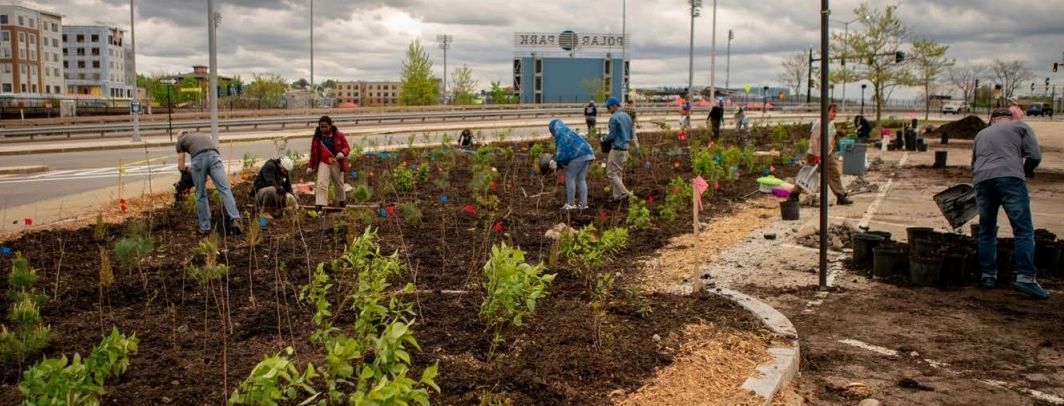
The 2024 Green Worcester Plan Annual Report, released this week, details a 9.5% reduction in greenhouse gas emissions citywide since 2009, and an 18.6% drop in municipal energy use over the past decade. It also highlights community-driven successes like the planting of Worcester’s first two Miyawaki Forests, dense mini-forests designed to mitigate heat and soak up carbon, and the Smart Energy Advice program, which has now provided tailored energy efficiency guidance to more than 700 households.
“The Green Worcester Plan remains our city’s roadmap to a sustainable and resilient future,” City Manager Eric D. Batista said in a statement accompanying the release. “With this annual report, we aim to share the progress we’ve made, reflect on the challenges we’ve faced, and reaffirm our collective vision for Worcester.”
In a letter included at the front of the report, Batista emphasized that while the city is making strides, external support has faltered: “When we first wrote the Green Worcester Plan, we did so with the expectation that state and federal partners would actively support our emission-reduction goals. However, in light of recent priority shifts at the national level, that support is no longer guaranteed.”
In response, the city is doubling down on climate resilience efforts, investing in flood protection, tree canopy expansion, waste reduction programs, and preparation for increasingly frequent heat events and extreme weather.
The Green Worcester Plan was originally adopted in 2021 as a long-term vision to make Worcester one of the most climate-resilient and sustainable mid-sized cities in the country by 2050. This year’s report notes the launch of a new Decarbonization Roadmap to accelerate emission cuts and highlights the integration of sustainability goals into the broader 2025–2029 Municipal Strategic Plan.
Batista pointed to projects such as the stormwater master plan and the city’s continued work to improve “neighborhood livability” as essential parts of that vision. But he also praised Worcester residents themselves for stepping up—particularly those who planted trees and participated in grassroots efforts to build a greener city.
“These local efforts matter now more than ever,” Batista wrote, adding that sustainability in Worcester “has always been about more than just emissions—it’s about community resilience, equity, and quality of life.”
The full 2024 Green Worcester Plan annual report is available on the city’s website.
Have news, tips, or a story worth telling? Reach Editor Charlene Arsenault at carsenault@theworcesterguardian.org—because good stories (and great scoops) deserve to be shared.
