
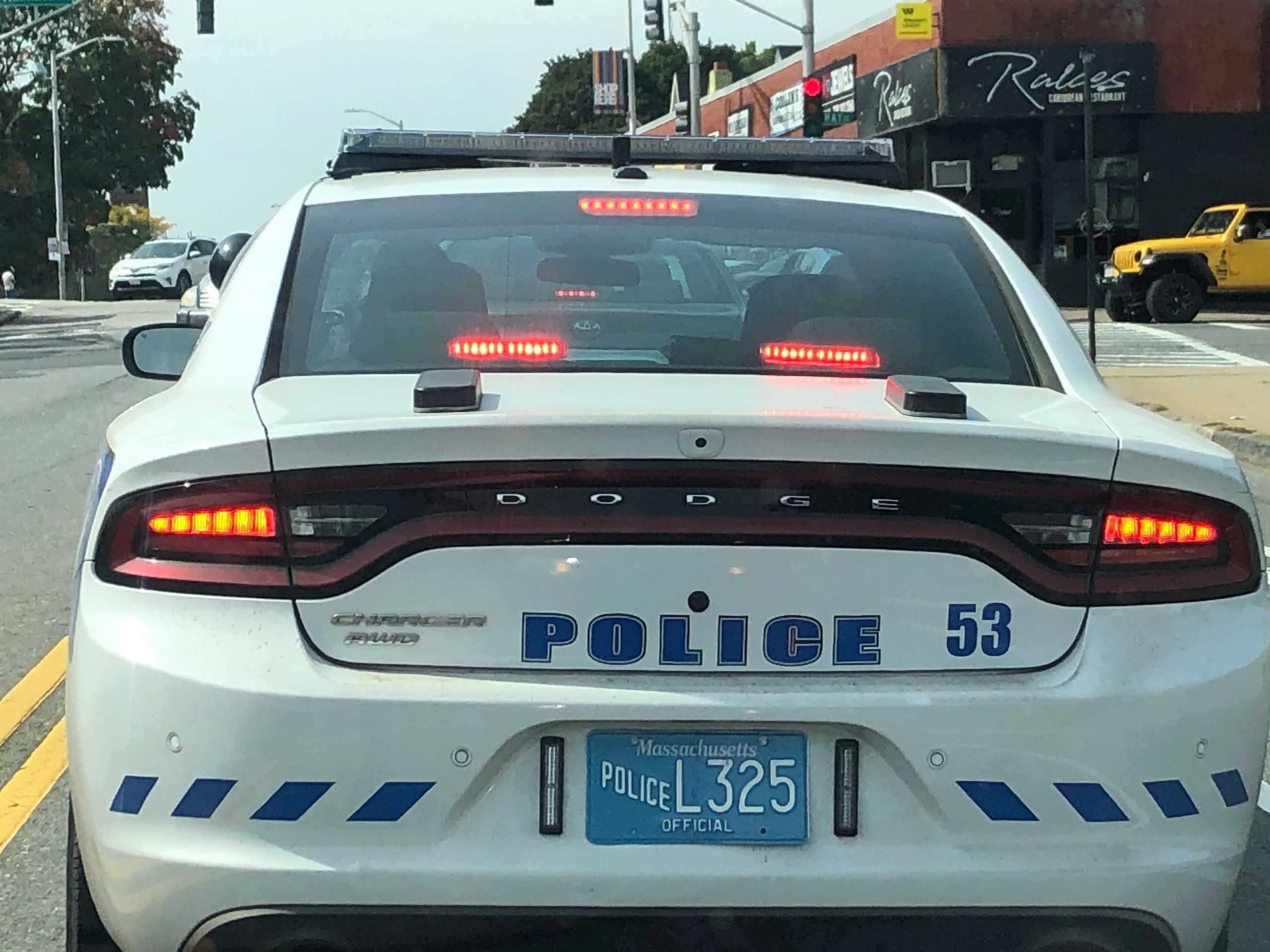
WORCESTER—Worcester remains one of the few major U.S. cities without a civilian police oversight body, despite decades of public debate, community calls for reform and ongoing discussion about whether existing accountability measures are sufficient.
In October 2025, the Worcester Regional Research Bureau (WRRB) released a report, Overdue for Civilian Oversight: A Pathway for Lasting Police Reform, examining Worcester’s long history of discussion around independent police oversight and outlining potential paths forward. The report traces conversations on the issue back to the 1970s, noting that calls for civilian oversight have resurfaced repeatedly—often after high-profile incidents or heightened concern over police accountability—without resulting in the creation of a permanent oversight body.
Although the WRRB report was released last fall, the question of civilian oversight remained a prominent issue during the 2025 municipal election and is expected to remain part of broader public and policy discussions as city leaders revisit the topic in the new year.
The absence of civilian oversight has become increasingly contentious. Former City Councilor Etel Haxhiaj pointed to what she described as institutional resistance to reform.
“Worcester’s path to police accountability is clear,” Haxhiaj said in an interview with the Worcester Guardian, “yet many actors from the police unions, the long-term chair of the Public Safety Standing Committee, the majority of incoming and re-elected city councilors, and even the president of the chamber of commerce continue to stand in the way of progress by opposing real oversight.”
City Councilor-elect Jose Antonio Rivera, who defeated Haxhiaj in the District 5 race, offered a different assessment. Rivera told the Worcester Guardian he believes Worcester’s existing oversight mechanisms are sufficient at this time.
“Yes, I am with the majority that think the current measures are sufficient,” Rivera said.
Rivera said public trust remains a central concern in the debate, but noted that, in his view, support for creating a civilian review board is not widespread.
“Based on past observations and current feedback, public trust appears to be a paramount concern regarding the civilian review board issue,” Rivera said, “and it is essential that this aspect remains the primary focus moving forward. I also note that those who are most vociferously advocating for a civilian review board seem to be in the minority.”
Rivera added that while he does not believe that Worcester’s police department is without flaws, he favors allowing existing systems—some of which have been implemented more recently—to operate before introducing additional oversight structures.
“Personally, I believe our city is safe,” he said, “and while I acknowledge that our police department is not flawless, I think it is prudent to allow the existing mechanisms, some of which are relatively new, to operate effectively before considering additional measures.”
Questions around timing also surrounded the WRRB report’s release during the election season. Rivera said he heard mixed reactions from constituents regarding whether the report’s publication so close to the election influenced voter sentiment.
“Many people thought the timing of the article coming out when it did was tactically used to impact the election,” Rivera said. “I also heard from the other side that was saying that people should know and be aware, so the voters can make an informed decision.”
Rivera said he does not believe the report significantly affected the election outcome.
“I do not think it made a big difference in the election,” he said. “Based on the outcome of the election, I think the majority of the council and the voters feel that there are already enough measures in place for police oversight in Worcester.”
Timothy Murray, president and CEO of the Worcester Regional Chamber of Commerce, rejected the characterization that he opposes police accountability, saying his concerns center on process, timing and governance rather than the substance of civilian oversight.
Murray has reiterated those concerns in recent comments, while also pointing to broader issues with how the Worcester Regional Research Bureau operates.
In an October 2025 statement following his resignation from the WRRB board of directors, Murray said the bureau has historically produced “high-quality research and reports that have benefited both the public and policymakers” under its executive leadership.
Murray said the request by City Manager Eric Batista and the city council for a report examining police oversight protocols is “an important public policy matter that merits thoughtful deliberation and debate,” but argued that issuing recommendations three weeks before a competitive municipal election was, in his view, “a mistake that does a disservice to the important discussion and debate this issue warrants.”
In his recent comments, Murray also raised concerns about WRRB governance, stating that board members are not notified when reports are released and are not asked for input on potential research topics. He said he has suggested that board members be more accurately described as “corporators” or “supporters,” noting that executive leadership makes primary decisions on policy and personnel.
“I hope the research bureau leadership will take these suggestions under consideration,” Murray said, adding that he continues to support the organization’s work and encouraged the business community to do the same.
Worcester’s lack of a civilian oversight body stands out when compared with cities of similar size. As the 114th largest city in the country and the second-largest in New England, Worcester is now among a shrinking minority of major U.S. cities without a formal civilian review or oversight structure. According to the WRRB report, more than half of the nation’s 200 largest cities have implemented some form of civilian oversight, including nearby municipalities such as Boston, Providence, Cambridge, Hartford and New Haven.
The renewed focus followed a December 2024 U.S. Department of Justice findings report that identified systemic weaknesses in the Worcester Police Department’s internal accountability systems. While the DOJ report examined broader policing practices, it raised concerns related to transparency and internal review processes.
“A civilian review board with subpoena powers is the only external mechanism that meets the needs of the community and decades-long calls for true oversight,” Haxhiaj said. “We’ve seen the need for a strong CRB: the Racial Equity Audit recommended it, and the unresolved DOJ report findings highlight the urgency.”
The WRRB report argues that Worcester’s existing accountability mechanisms—while active—do not meet standards typically associated with effective civilian oversight. Current structures include internal police review processes, the Human Rights Commission, and state-level oversight bodies such as the POST Commission, which the report says, while vested with significant statutory authority, do not function as independent, local civilian oversight bodies with routine public-facing review, subpoena use at the municipal level, or consistent public reporting on individual complaints.
According to the research bureau, effective civilian oversight depends on independence, authority, transparency, sustained funding and direct community engagement. Without those components, the report argues, oversight efforts risk being perceived as symbolic rather than substantive.
Community advocacy for civilian oversight has been particularly strong among civil rights organizations and communities of color.
“For years, NAACP, Black Families Together and Black and brown community leaders have called on the city to establish it,” Haxhiaj said. “Their calls and demands must not be met with silence or outright dismissal, as the DOJ report findings and patterns have.”
Rivera said accountability and transparency were central to his campaign platform, but emphasized that those expectations extend across all city departments, not solely the police department.
“Part of my platform in my campaign trail was about transparency and accountability for all the departments in the city of Worcester, not just the WPD,” Rivera said. “With that being said, I like and respect the new things Chief Saucier has implemented into making sure the WPD is moving in that direction.”
Rivera added that he expects continued accountability from city leadership and oversight bodies.
“I can guarantee you that I am not the only city councilor who will expect that as well from the WPD, city manager, Human Rights Commission, POST and all others involved in making sure there is accountability measures put in place and we are running a safe city,” he said.
City leaders have expressed mixed views on creating a civilian oversight body. While some officials and advocates see independent oversight as a necessary step toward rebuilding trust between police and the community, others have raised concerns about cost, legal authority, governance and overlap with existing systems. The WRRB report was commissioned at the request of Batista, though no formal plan has yet been announced.
During the 2025 mayoral campaign, Mayor Joseph Petty reiterated his opposition to creating a civilian police oversight board, citing concerns that such a body could undermine police leadership.
“In the past I’ve voted against this because it undermines the chief of police and what he wants to do here in the city of Worcester,” Petty said during a WGBH mayoral debate, responding to a question from moderator Sam Turken, Worcester bureau reporter for GBH News.
Petty said he believes the city’s existing oversight structures are effective, pointing to the Worcester Police Department’s Bureau of Professional Standards, the city’s Executive Office of Diversity, Equity and Inclusion and the state Peace Officer Standards and Training (POST) Commission.
He also noted during the debate that Police Chief Paul Saucier meets regularly with the Worcester Human Rights Commission. Petty added that the police chief has been developing a civilian advisory group to work with the department on community concerns, distinguishing it from an independent civilian oversight body with investigatory authority.
A spokesperson for the city manager’s office told the Worcester Guardian the administration requested the WRRB report and is preparing a separate memorandum responding to its findings, which will be presented to the city council. The office declined further comment until that response is formally submitted. The timing suggests the issue remains active, with the administration expected to outline next steps once the matter returns to the council agenda.
As Worcester continues to revisit the issue in the new year, the central question remains whether the city will move beyond decades of discussion and act on the framework now on the table.
Matt Olszewski is a freelance content and news writer who graduated with his MPH from Tufts University. In his free time, Matt enjoys running, hiking or skiing. He can be reached at mattoskier@gmail.com
