
WORCESTER—For nearly two hours Tuesday night, Worcester city councilors wrestled with a question that sounds technical on paper but goes straight to two of the city’s biggest pressures: how to build more housing, and how aggressively to pursue climate goals while doing it.
At issue is whether Worcester should pause enforcement of the state’s Specialized Stretch Energy Code, a stricter building standard the city adopted in 2023 and began enforcing in 2024. The administration recommends a pause, arguing that the code is adding costs and complications at a time when Worcester is in desperate need of more housing. A majority of councilors, if not all, appear supportive of the pause. But the council did not vote. Instead, Councilor Khrystian King held the item, saying he wanted more detailed information before the matter comes back to the floor.
The result was a meeting that was as much about process as policy. Councilor Gary Rosen emphatically argued there was no reason not to act that night, especially given the administration’s recommendation.
“We all know where the votes are here,” Rosen said, also adding that items are held far too often on the council floor. “Why would you hold it? There’s no need to hold it. Let’s get it done tonight.”
Rosen pushed that Worcester cannot afford to make housing development harder at a time when more people want to live in the city and available units remain scarce.
King pushed back, saying the council had not yet received a complete enough picture—particularly on what a pause would mean for Worcester’s environmental goals and the city’s Green Worcester Plan.
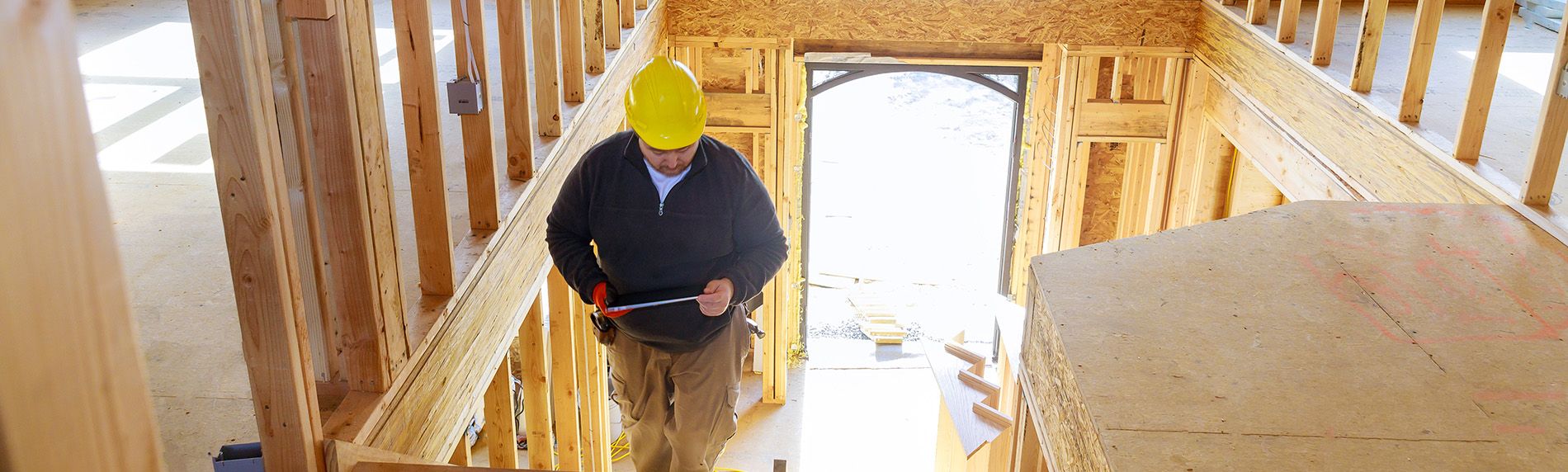
For readers who do not spend their evenings thinking about and researching the state building code, the basic issue is this: Massachusetts communities can follow the base energy code, the stretch code, or the stricter specialized stretch code. Worcester has been a stretch-code community since 2011. The specialized stretch code adds tougher efficiency requirements for new construction only. For low-rise residential and commercial buildings, it creates different compliance pathways depending on whether a project is all-electric, mixed-fuel or net-zero. For high-rise residential projects, the path is stricter still: the “passive house” standard, a demanding efficiency benchmark that developers and city officials said has become a major sticking point.
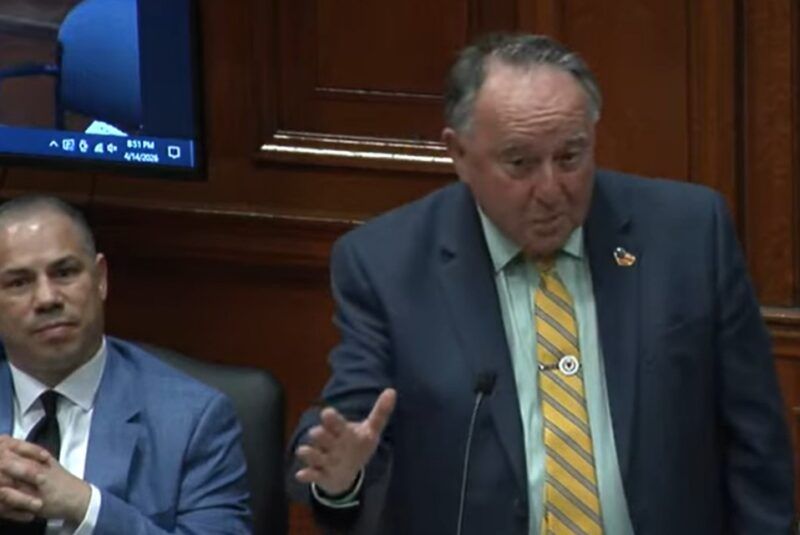
In a report submitted to the council, Chief Development Officer Peter Dunn said the best available information shows the specialized stretch code adds roughly 2% to 4% in upfront costs on average, though he said large residential projects have reported anywhere from $100,000 to more than $1 million in added costs. Worcester, he wrote, is tracking more than 2,500 housing units that have been proposed or permitted but delayed from their initial timeline. The administration’s position was that, while many variables are slowing housing production—including inflation, tariffs, high interest rates, insurance, utility costs and construction pricing—this is one lever the city actually controls.
“Taking into account all of the considerations described in the attached report, our recommendation is in support of the city council vote to pause the enforcement of the specialized stretch code,” City Manager Eric Batista wrote in a memo to the council. He stressed that the move “should not be characterized as an opt-out or abandoning our sustainability goals,” but instead as a delay in enforcement, with the administration recommending a new effective date of Jan. 1, 2028.
Dunn made a similar case from the floor, saying Worcester is not talking about abandoning energy standards altogether. The city would still remain under the stretch code, which he and several councilors described as a meaningful environmental standard already used by most Massachusetts communities.
“The recommendation would be for the city council to support pausing the enforcement of the specialized stretch code,” Dunn wrote in his report.
Councilor Morris Bergman, who has been pressing the issue, said the city had seen enough to justify stepping back. He maintains the specialized stretch code has created uncertainty for developers and imposed requirements that are difficult to meet in practice.
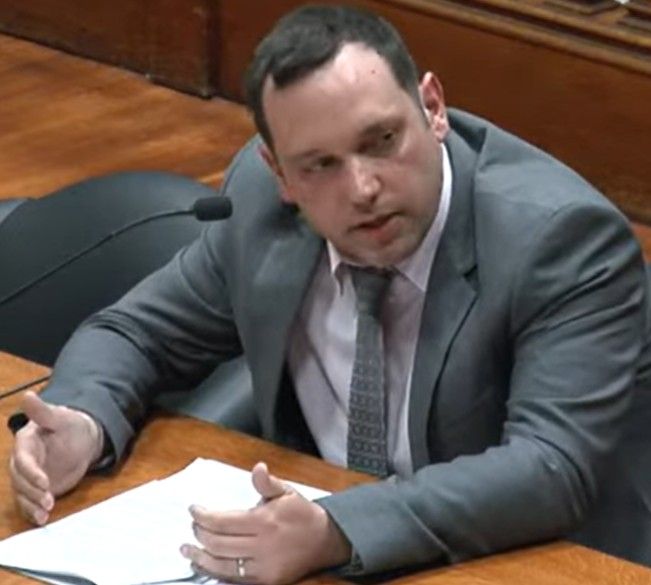
“The technology doesn’t exist,” Bergman said, pointing to testimony that some systems required for compliance are not yet readily available.
He also cited other practical problems, including window systems that developers say often must be sourced from Europe and the lack of clear alignment between the Specialized Stretch Code and the broader building code framework.
“So pausing it again makes sense,” Bergman said.
Bergman also said the city was not voting to eliminate the rule permanently.
“We’re not doing away with the specialized code,” he said. “Lastly, let me just say, for those who think we’re thumbing our nose at respecting the environment, we still have and still follow the stretch code that 70% of communities still follow.”
Councilor Tony Economou echoed Bergman and framed the issue largely as one of cost and feasibility. He said Worcester cannot ask the development community to build affordable housing while requiring materials and systems that are more expensive and sometimes harder to obtain.
“How can we ask the building community to build product that is affordable when it’s going to cost them more to go overseas to get product,” Economou said.
Councilor Kathleen Toomey also supported a pause, and said that stopping to reassess a policy is not the same as retreating from it.
“Pausing isn’t a setback, it’s actually responsible side of leadership,” Toomey said.
Mayor Joseph Petty, who voted for the specialized stretch code when it was adopted, said the city took a chance on it and has since seen enough challenges to justify slowing down. He repeatedly tied the issue to housing development, affordability and economic competitiveness.
“This is about efforts for housing development here in the city of Worcester,” Petty said. “It’s about affordability. It’s about jobs.”
He also pressed Dunn about project costs and supply issues, especially when code-compliant components must be imported or when utility providers cannot keep up with service demands tied to more energy-intensive systems. Dunn said the city is seeing major challenges not only with materials but with so-called soft costs—consultants and compliance documentation required to prove projects meet the stricter code.
“The sourcing of those windows to comply with those standards right now are basically just coming from Europe,” Dunn told Petty.
He added that some projects have faced six-figure consulting costs just to document compliance.
The administration also said National Grid remains a major bottleneck. Dunn said new projects often require additional transformers or upgraded electrical service, and those utility-related costs alone can be substantial. In one case, he said, converting an underused downtown office building into housing involved more than $1 million in utility-related costs to National Grid.
On the other side of the debate, King did not argue that the specialized stretch code should definitely remain in place. But he said the council had not been given enough information to responsibly vote on a pause, particularly because the administration’s report focused heavily on development and cost while offering little data on the environmental tradeoffs.
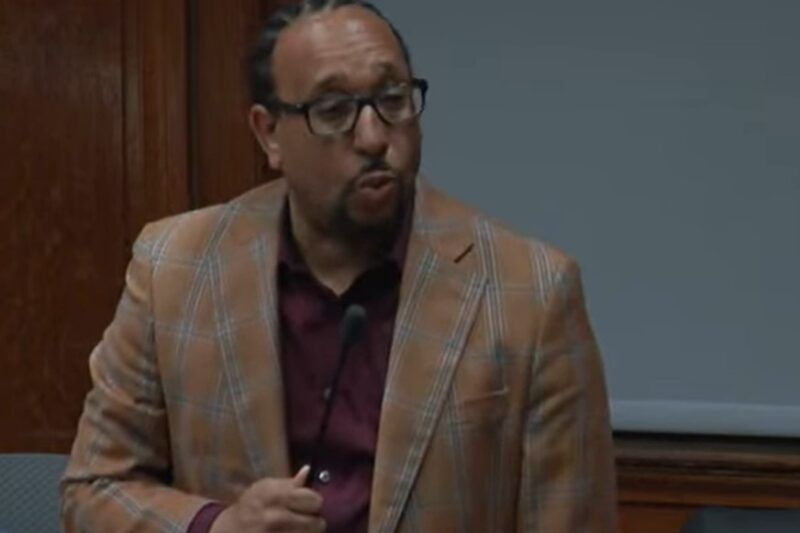
“I expected a full report, not a partial Report,” King said.
He questioned why the city’s chief sustainability officer had not been part of the report and asked for more detail on how pausing the code would affect Worcester’s climate commitments.
“I’d like to know the impact of pausing the stretch code on the environmental goals, on the green Worcester plan,” King said. “I like some data.”
Batista told councilors that the city’s Office of Sustainability and Resiliency, led by Chief Sustainability Officer John Odell, plays a central role in shaping Worcester’s broader energy, climate and resiliency efforts. King then sought additional documentation for the record, including material from the Green Worcester Advisory Committee, which Batista said had unanimously voted earlier this week to oppose a pause.
King also pressed on whether developers have any route to seek relief short of citywide suspension. The administration and Inspectional Services Commissioner Nicholas Antanavica said the code does not allow selective opt-outs or local variances, but projects can appeal code interpretations to the state Building Code Appeals Board.
“It’s good to know that there is an appeals process,” King said later in the discussion. “And again, I’m looking forward to a holistic, comprehensive vote with all the information necessary.”
That disagreement over timing became one of the night’s central flashpoints. Rosen, plainly frustrated, said it was obvious where the votes likely were and argued the council should not delay.
“The vote should be taken tonight,” Rosen said.
He said Worcester has become a more popular place to live and cannot afford to make housing development harder than it already is.
“A lot of those needy people need a place to live here in the city of Worcester,” Rosen said. “Let’s help them, if we can.”
When King later defended his decision to hold the item, he made clear that he saw the delay as substantive, not procedural.
“This isn’t holding it for no purpose,” King said. “This is purposeful.”
Councilor Jose Rivera, meanwhile, framed the issue as both a housing and affordability matter, asking Dunn to explain the difference between claims that the code can lead to lower long-term utility costs and the counterargument that higher upfront construction costs can drive up rents in the short term.
Dunn said both perspectives have merit, but that the city does not yet have enough long-term data to measure the specialized stretch code’s full benefits against its costs because Massachusetts communities have only recently begun using it. That same lack of long-term data, however, cut in opposite directions throughout the debate: supporters of the pause cited it as reason to slow down, while opponents or skeptics cited it as reason not to retreat too quickly.
The numbers in Dunn’s report helped explain why the debate was so heated. Of Massachusetts’ 351 communities, just 57 — or 16% — have adopted the Specialized Stretch Code, according to the city’s analysis. By contrast, 244 communities, or 70%, use the stretch code, and 50 communities stick with the base code. Among the state’s 26 Gateway Cities, Dunn wrote, only Worcester and Salem have adopted the Specialized Stretch Code. Fall River and Taunton remain at the base code, while the rest use stretch.
That matters because Worcester officials are trying to balance multiple policy goals at once. The Green Worcester Plan supports stronger building efficiency measures. But the city’s Housing Production Plan says Worcester needs more than 1,000 new housing units each year over the next several years just to address its current shortage. Dunn’s report also cited an independent MassINC analysis finding that the average rental housing project in Worcester has an estimated subsidy need of $257,000 per unit in order to be feasible.
In that context, the administration argued that the city should not keep layering new local costs onto a housing market already under stress.
“There are many variables affecting housing production and project feasibility,” Dunn wrote, “and the specialized stretch code is not solely responsible for economic feasibility issues.”
Still, he concluded it is one factor the city can change right now.
By night’s end, no pause was approved. King held the item, asked for more material, and the matter returns at a future council meeting. But the debate itself made two things clear: first, that there appears to be broad appetite on the council to delay enforcement of the code; and second, that Worcester is struggling with a question many cities now face — how to keep faith with climate goals without making it even harder to build the housing people need.
In other words, the city is not really arguing about code language. It is arguing about what kind of tradeoffs it is willing to make, and when.
