
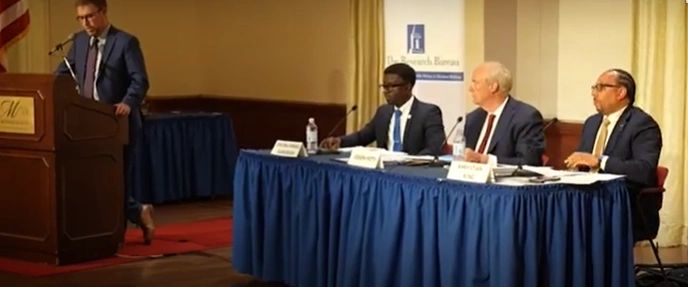
WORCESTER—In the final debate of the series presented by the Worcester Regional Research Bureau and the Worcester Telegram & Gazette on Wednesday, mayoral candidates Owura-Kwaku Sarkodieh, current City Council Vice-chairman Khrystian King, and incumbent Mayor Joe Petty discussed the future of Worcester.
Several of the questions focused on education. Petty, who also serves as chairman of the school committee, said raising the quality of Worcester’s public education will take strategic planning and family engagement—efforts he said are already underway under his leadership.
“Our test scores are up,” Petty said. “Our scores are going in the right direction here in the city of Worcester for our students. There’s a lot of cooperating together in the city, and we’re going to make sure that this city is going in the right direction with our schools. It is all about the kids and all about the education.”
King said a statewide study showed that Worcester’s schools are underfunded and that many facilities are in poor condition. He called for collaboration among gateway cities to advocate for better state funding.
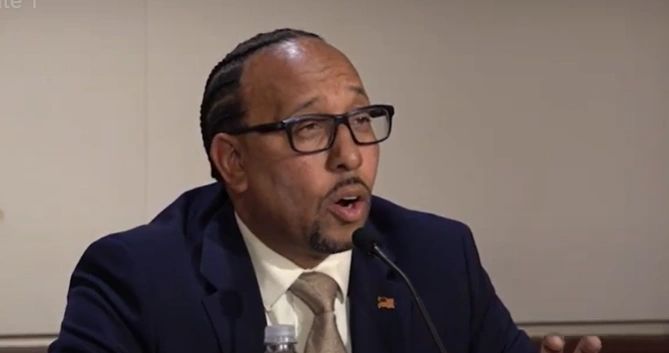
“We know that 60% of the lower-rated schools are in these gateway cities,” he said. “We have to coalesce with our other gateway city leaders and fight for more funding on the state level.”
Sarkodieh agreed that the educational infrastructure needs attention, adding that Petty’s emphasis on recently completed projects like Doherty High School doesn’t address deeper issues.
“Shiny buildings don’t fix broken systems. You can’t build your way out of our achievement gap,” he said, urging the city to address root causes of underachievement. “Real leadership means asking the hard questions. Why are students still struggling? Why are teachers overwhelmed? Why do families feel unheard? As mayor, I will make sure every last dollar spent actually improves student outcomes, not just optics.”
The candidates were also asked how they would measure the success of Superintendent Brian Allen, who was appointed in May.
King said the city should establish clear benchmarks for evaluating the superintendent and be transparent about expectations. He criticized the appointment process, saying it lacked openness.
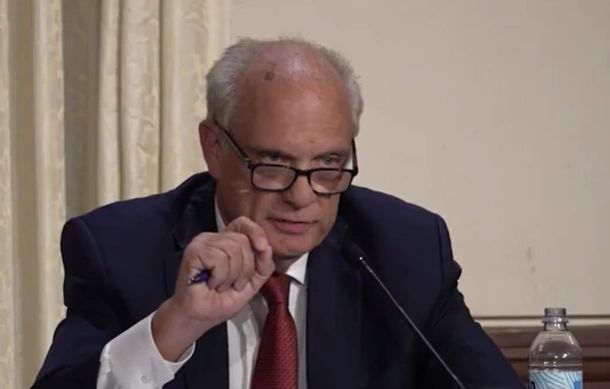
“This particular superintendent was hired behind closed doors,” King said. “They came out on the school committee floor after they made their decisions behind those doors. People are tired of petty politics and insider games.”
Petty disagreed, saying the process was public and in accordance with city procedure.
“The process of hiring Superintendent Brian Allen was done in public,” he said. “I brought it to the floor of the school committee; I gave the reasons why. People didn’t have to vote for it. The school committee voted for it, so I’m pretty proud of that decision.”
Petty added that the mayor has discretion in how a superintendent is selected.
“You can go through a process, you can just make an announcement, you can do a search, you can not do a search. You can do it any way you want, as long as it’s done out in the public.”
Sarkodieh said a superintendent’s goals should focus on student achievement and ensuring every child has access to a world-class education.
“As mayor, I’ll approve resources to improve literacy and math outcomes, support teachers, and expand vocational and STEM education,” he said. “I’ll also make sure that school safety and student wellness are a top priority. Our schools should be places of excellence and belonging where parents feel heard and teachers are valued.”
The candidates were then asked what their first order of business would be if elected.
Petty said housing remains his top priority.
“That’s the number one priority. How can people afford to live here in the city of Worcester?” he said. “It’s also about the unhoused. How do you treat them with dignity and make sure they have a place to stay and get the support and help that they need?”
Sarkodieh said his priorities include rebuilding trust, expanding opportunity and delivering results.
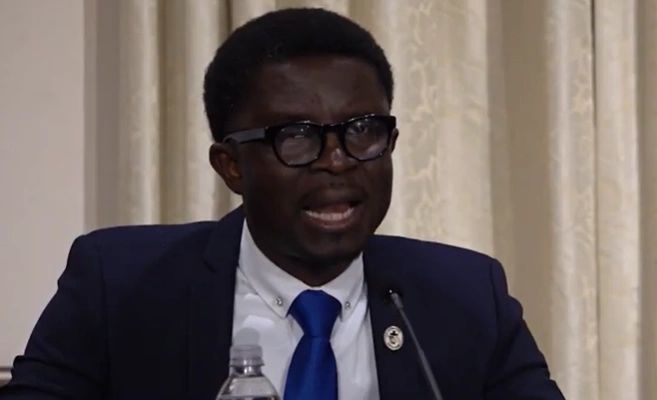
“We must address the housing crisis by expanding affordable housing, protecting tenants and turning vacant buildings into homes where people can actually live,” he said. “I believe public safety is critical. I will support our police while ensuring accountability. I believe city hall must be transparent and responsive. Open government, smart budgeting, and leadership will make Worcester a city we will all be proud to call home.”
King said his focus would be improving how the city supports its homeless population and children.
“I’ll continue to pursue and lead as mayor, revamping and expanding the capacity of Health and Human Services, the lowest funded department in the city, by having more homeless outreach workers and more social workers, and we can do that without increasing the tax burden by looking at overtime budgets and looking at our vacancy factors,” he said.
King said he would also expand inclusionary zoning, push for more affordable housing, and support rent control with exemptions for small owner-occupied units.
When asked how to improve the tone of City Council meetings and build consensus, the candidates agreed that disagreement is healthy but decorum matters.
“Disagreements are healthy,” Sarkodieh said. “We treat each other with respect, no matter our political differences or ideologies. We need a mayor who is not seen as political. We need a mayor who doesn’t only talk to who voted for him or her. We need a mayor who understands that our shared mission is about collective engagement.”
“I treat every councilor with respect, with no disrespect,” Petty said. “They can speak their mind and move onto the next agenda item afterward. All you do is have open communication with the city councilors or the school committee members and make sure you move the city forward.”
“I want Worcester to win,” King said, using a sports metaphor. “We don’t need to get along, or like each other, but you want to win. If you’re open for a layup for the winning shot, I’m passing you the ball. I take that right into the council chamber.”
“I respect diversity of thought and value that as a strength of a healthy democracy,” King added. “Under the leadership of Mayor Petty, we’ve seen the city council squabble, we’ve seen internal and external issues that have not been managed. Mayor Petty has not spoken to all of my colleagues, and he has not bridged the gap. We need someone who is comfortable doing that. This is the most diverse council in the history of Worcester, and it requires a mindset and a temperament that’s able to manage through tough decisions and tough discussions.”
The debate marked the final chance for the three candidates to make their case before Worcester voters head to the polls on Nov. 4. Each outlined a different vision for the city’s future, but all emphasized collaboration and civility as Worcester prepares to choose its next mayor.
Steve Smith, a veteran reporter with 17 years at The Hartford Courant, now brings his passion for photojournalism to Worcester. An award-winning photographer, he has covered major events like U.S. soccer, pro football, and UConn basketball. He is also the official photographer for the Miss Massachusetts competition and works as a realtor. Contact him at steve@stevephotographysmith.com