
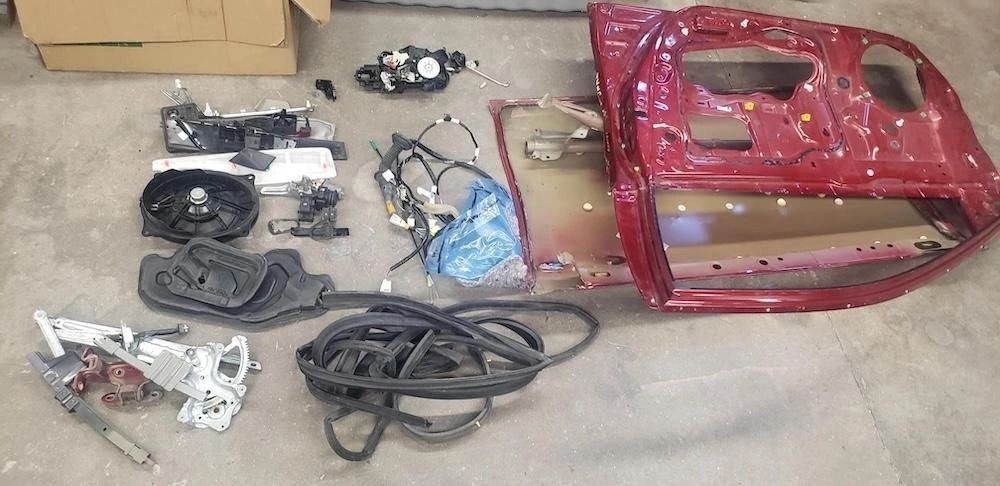
WORCESTER—A new study from Worcester Polytechnic Institute (WPI) shows that reusing auto parts can dramatically lower greenhouse gas emissions while bolstering domestic supply chains.
The research, which analyzed commonly reused car components such as engines, transmissions, bumpers, and doors, will be presented later this month at the annual meeting of The Minerals, Metals & Materials Society (TMS).
“This work provides clear, quantifiable evidence that reusing auto parts offers a practical way to reduce carbon emissions while improving supply chain resilience,” said Brajendra Mishra, the Kenneth G. Merriam Professor in Mechanical Engineering, in the announcement. “By extending the life cycle of automotive components, we can significantly cut manufacturing-related emissions and decrease dependency on imported parts, making the industry more sustainable and self-sufficient.”
Conducted at WPI’s Metal Processing Institute, the study assessed auto parts from three common vehicle types: sedans, SUVs, and pickup trucks. Using the Argonne National Laboratory’s GREET2 model and EPA guidelines, researchers compared the carbon footprint of manufacturing new parts against reusing existing ones. The results showed significant energy savings—reusing a Toyota Camry engine, for instance, could prevent up to 1,760 kilograms of carbon dioxide emissions.

“Further findings in our research demonstrate additional benefits for recycling rather than building from scratch,” said co-lead researcher Hyunsoo Jin. “The energy and labor required for transporting and manufacturing new parts are significantly higher than the energy used to dismantle cars and reclaim parts.”
Beyond environmental benefits, the study highlights how reclaimed auto parts contribute to a more resilient U.S. supply chain. By reducing dependence on newly manufactured parts—many of which are produced overseas—the industry can mitigate risks from global disruptions while supporting domestic economic growth.
The study was sponsored by the Automotive Recyclers Association (ARA), a nonprofit representing more than 4,500 professional auto recyclers worldwide. The research team will present their findings at the TMS conference, held March 23–27 in Las Vegas.
Have news, tips, or a story worth telling? A good recipe or a funny joke? Reach Editor Charlene Arsenault at carsenault@theworcesterguardian.org—because good stories (and great scoops) deserve to be shared.
