
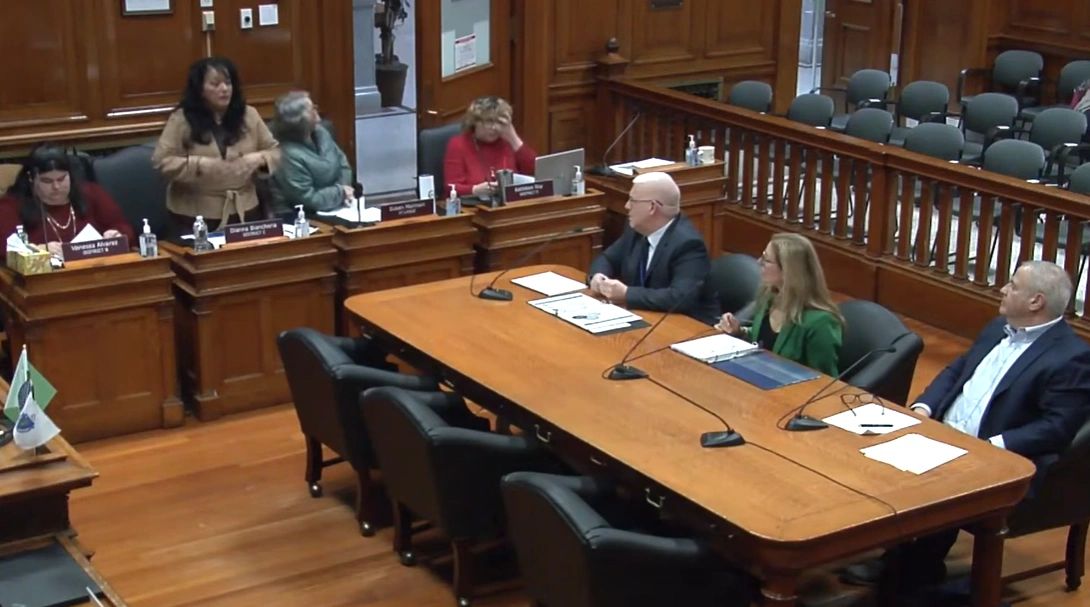
WORCESTER—Worcester Public Schools officials presented a detailed update on school safety and facilities at the most recent School Committee meeting, outlining phased upgrades to locks and intercom systems, expanded emergency communications, staff training initiatives and long-term capital planning aimed at modernizing the district’s aging school buildings.
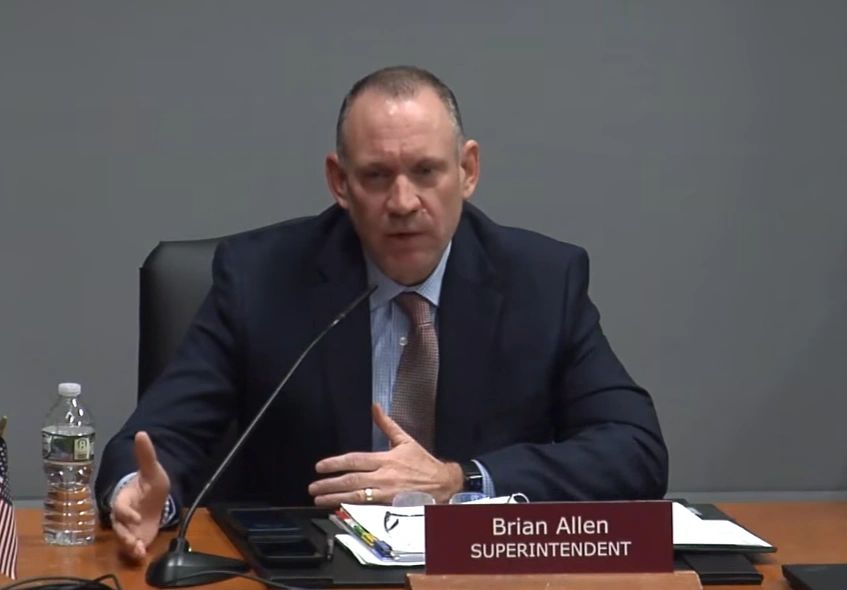
The presentation was delivered as part of the superintendent’s report and focused on the district’s strategic plan priority of “modernized and safe facilities,” according to Superintendent Brian Allen.
“We’ve used both local, state and federal funds around improving school facilities, both building conditions and around school safety,” Allen said.
Balancing older buildings, safety upgrades and enrollment
Chief of Finance and Operations Sara Consalvo said the district manages approximately 1,700 classrooms and 4.6 million square feet of space, with an average building age of 77 years. Nearly half of Worcester’s school buildings were constructed before 1940, she said.
Several committee members focused their questions on how safety upgrades intersect with enrollment pressures and the district’s older school buildings. Member Dianna Biancheria raised concerns about redistricting and capacity, noting that many schools are “busting at the seams,” and asked how decisions about locks and other upgrades align with plans to shift enrollment across the city.
Consalvo said Rice Square School and Chandler Magnet School have been identified as over capacity, with additional analysis underway.
Allen said the windows and restrooms at Worcester East Middle School — which recently added a sixth grade — have been renovated, with additional interior improvements under discussion as the district awaits eligibility to submit the school to the Massachusetts School Building Authority for a future replacement project.
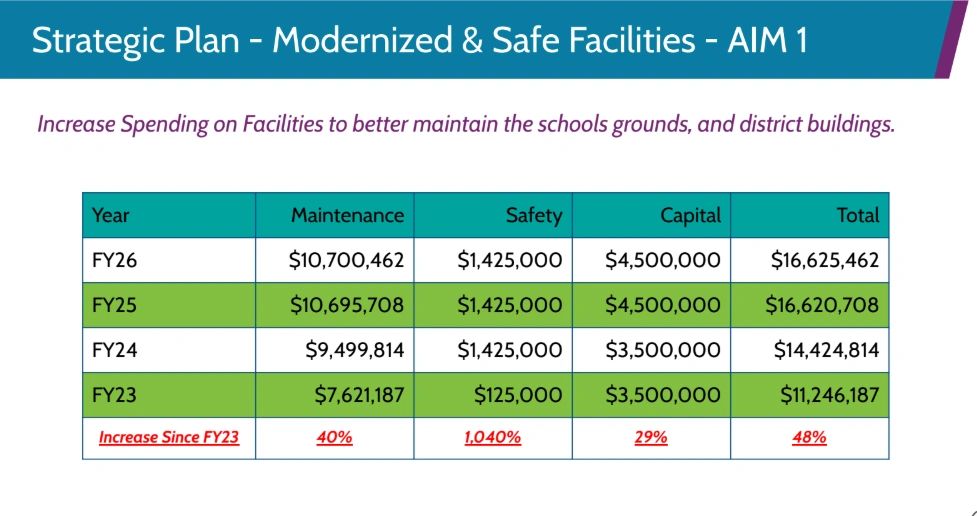
“Every student deserves a space that supports both their physical safety and their academic growth,” Consalvo said, adding that the district increased overall facilities investment by 48% since fiscal year 2023, including what she described as a more than 1,000% increase in school safety spending.
Building upgrades and physical security
Director of Safety Matthew Morse reviewed completed and ongoing physical security upgrades, distinguishing between physical security measures — such as locks, intercoms and cameras — and operational security, which focuses on staff readiness, communication and emergency response.
New classroom and office locks have been installed at 14 elementary schools and one middle school as part of the first two phases of a districtwide locking project, Morse said. The work included panic bar hardware and replaced older or out-of-code door locks, representing a $1.1 million investment.
“These will be the preferred lock types that will be installed at all Worcester public school sites across remaining lock installation phases,” Morse said, noting the district is moving toward a standardized lock system across all schools.
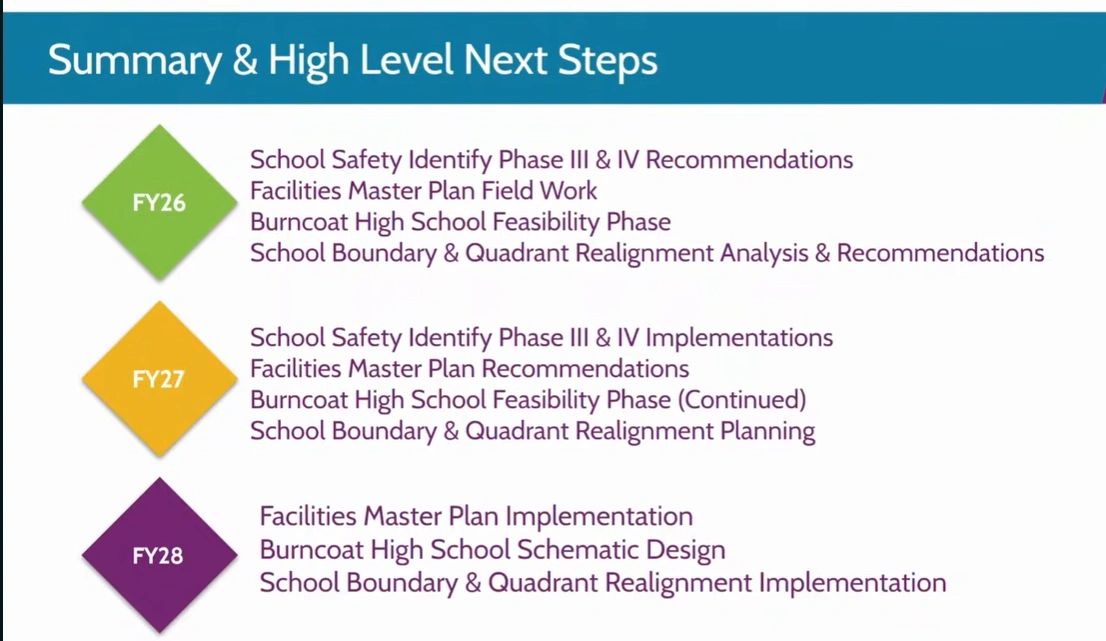
Planning is underway for phases three and four, which would add new locks at 14 additional schools — one middle school and 13 elementary schools — bringing the total to 31 schools, or just over 60% of district buildings.
The district is also preparing to replace outdated intercom systems. Morse said an electrical engineering firm will assess existing systems across the district before developing specifications for a standardized replacement model, with installations planned in phases based on building need.
Operational safety efforts include staff training on the district’s standardized response protocol and reunification model. Training has been conducted with principals, assistant principals and deans, who are then expected to pass that information on to staff, students and caregivers.
The district has also collaborated with the Worcester Police Department on emergency preparedness, including tabletop simulation exercises for principals and a full-day training for school bus drivers and monitors focused on high-risk emergencies.
As part of expanded emergency communications, Morse said the district is rolling out a grant-funded radio system providing schools with a direct connection to emergency dispatchers. Each school is receiving a desktop radio with active and passive connections, along with a new protocol to standardize information shared with 911.
A school-based emergency notification system is also being piloted at one high school this winter. The system would allow emergency messages — including standardized response protocol language and symbols — to appear on district-owned devices such as laptops, phones and projectors, with plans for districtwide expansion following the pilot.
Committee questions and concerns
Committee members broadly praised the district’s increased investment in safety infrastructure while pressing for clarity on timelines and effectiveness. District 5 member Alex Guardiola called the more than 1,000% increase in school safety spending since fiscal year 2023 “fantastic,” emphasizing the importance of securing building entrances and exits.
Several members also raised questions about reducing traffic congestion around school buildings. Member Sue Mailman urged the district to explore ways to increase student bus usage, citing ongoing safety concerns related to drop-off and pick-up congestion and conversations with families about barriers to bus participation.
Mailman introduced a motion directing the district to develop a plan to increase bus ridership, with administrators discussing potential options such as expanded eligibility and voluntary transportation to alleviate overcrowding and traffic at high-traffic school sites.
Allen said the district has used similar strategies in the past and could revisit them as part of broader efforts to improve safety and access while maintaining emergency vehicle clearance around school buildings.
Turning to longer-term facilities planning, Director of Facilities Richard Ikonen updated the committee on capital repairs and the district’s participation in the MSBA’s accelerated repair program, which has supported window, boiler and roof replacements at multiple schools.
Ikonen said a joint facilities master plan covering both city and school buildings is scheduled to begin later this year following the selection of vendor Habeeb and Associates. The plan informs future five-year capital planning and prioritize deferred maintenance projects.
Discussion also included pedestrian and traffic safety near schools, with Morse describing ongoing collaboration with the Worcester Department of Transportation and Mobility, MassDOT’s Safe Routes to School program and Worcester police. The district recently received state funding to install solar-powered rectangular rapid flashing beacons at five priority locations, with Belmont Street School identified as a suggested site.
Traffic congestion and student safety along Grafton Street near Rice Square School drew extended discussion from committee members, administrators and Mayor Joe Petty. Officials described efforts to manage dismissal traffic while balancing student safety, neighborhood impacts and emergency access.
Petty said the city’s approach is focused on education and safety rather than punishment, calling drop-off and pick-up congestion a “public safety issue” and stressing the importance of working collaboratively with families and neighborhoods.
Committee members also raised questions about ADA upgrades, roof repairs at Sullivan Middle School, after-school programming partnerships and efforts to increase school bus usage to reduce congestion.
Petty hammered home the city’s long-term investment in school facilities, citing more than $22 million in planned spending across recent fiscal years and roughly $80 million in combined city and MSBA funding for major repairs.
“One of my priorities when I first came here in 2012 was the schools, and it remains a priority of mine,” Petty said. “I’m pretty proud — and people should be proud. Do we have a long way to go? Yeah. We have some old buildings.”
The committee ultimately voted unanimously to approve and file the safety and facilities report, including Mailman’s motion directing the district to work toward increasing student bus usage.
Allen said the district remains committed to continued safety upgrades and facilities investment, with additional updates to be provided as projects move forward.