
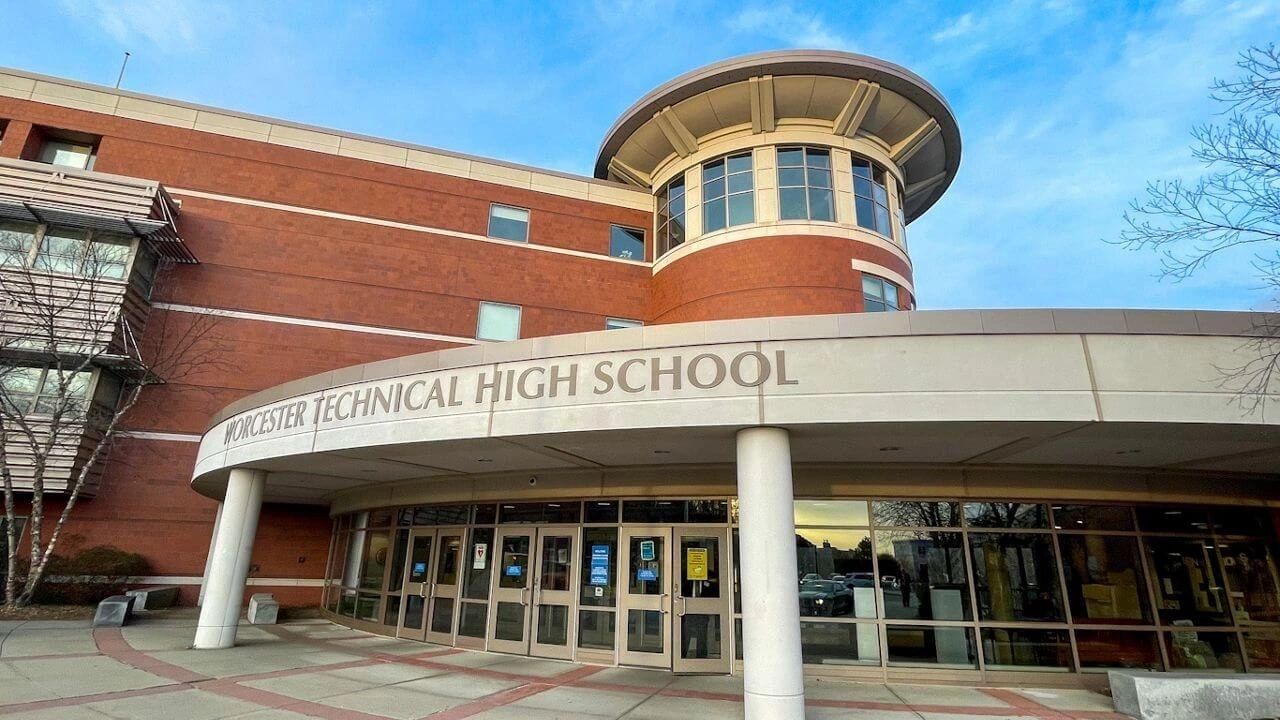
WORCESTER—Massachusetts is moving to overhaul how students are admitted to vocational-technical high schools — a change that supporters call a long-overdue fix for equity, and opponents warn could weaken proven programs.
On Tuesday, the state’s Board of Elementary and Secondary Education voted 8-2 to approve a new set of admissions rules that requires all career technical education (CTE) districts in Massachusetts to use a lottery system when they receive more applicants than available seats. The policy takes effect in the 2026–27 school year.
The move comes after years of debate about the current system, which often weighs attendance, discipline, grades and interviews, a critics say favors more advantaged students and shuts out many from low-income backgrounds or marginalized communities. A 2021 civil rights complaint filed by Lawyers for Civil Rights helped spur the state’s review, pointing to disparities in who gets into these competitive programs.
State officials say demand for CTE schools is rising sharply. In the 2020–21 school year, more than 18,000 students applied for just over 10,600 available ninth-grade seats across Massachusetts, reports the Telegram & Gazette. Vocational programs have surged in popularity for offering direct pathways to high-demand, high-wage careers — from HVAC and nursing to cosmetology, IT and automotive repair.
In Worcester, demand has skyrocketed. According to district data, Worcester Technical High School’s waitlist climbed to nearly 500 last year. The city also had hundreds of students waitlisted for Chapter 74 vocational programs embedded in its comprehensive high schools.
Worcester Public Schools, though, already has a lottery system in place to admit students to Worcester Technical High School and vocational programs embedded in its comprehensive high schools. For the Class of 2029 — students entering ninth grade in fall 2025 — applications were accepted between Jan. 6 and Feb. 14, with a lottery held on March 12. Applicants are assigned by their feeder middle school, with each school receiving a set number of seats based on its student population — ranging from 10 at University Park Campus School to 101 at Forest Grove and Sullivan Middle.
Since 2022, the WPS has used this tiered lottery admissions process to determine acceptance into Chapter 74-approved career technical education programs, which considers attendance and discipline, which is in line with the new standards that were approved by the Board of Elementary and Secondary Education this week.
WPS is examining the new regulations to determine what, if any, changes need to occur for the Chapter 74 admissions process moving forward, district spokesperson Dan O’Brien told the Worcester Guardian.
Despite the existing lottery, demand continues to outpace supply, and district officials are still reviewing how the state’s new regulations might affect their current system. A spokesperson for Worcester Public Schools told the Worcester Guardian on Tuesday that a formal response is forthcoming once the district has had time to assess the potential impact of the changes.
Under the new state policy, CTE programs that receive more applicants than they have seats must adopt a lottery-based admissions system. However, schools still have the option to include certain “interest” indicators in applications — such as whether a student attended an open house, took a tour, or completed an informational video module. The new rules also allow for weighted lotteries, in which students with strong attendance or discipline records — starting in grade 7 — can receive additional weight in the selection process.
The Department of Elementary and Secondary Education pointed out that schools retain local discretion in determining how to implement these options. “This change is designed to give more students more information and access to the valuable education career technical schools provide,” said Secretary of Education Patrick Tutwiler in the agency’s statement.
Another component of the new regulations requires all school districts in Massachusetts to create and share a “middle school pathway exploration policy” — a plan that helps students learn about different high school pathways, including CTE options, before they reach the ninth grade.
Still, the change has prompted concern — especially from vocational school leaders and business groups who say current admissions standards help ensure students are prepared for the structure and rigor of hands-on career training.
Timothy P. Murray, president and CEO of the Worcester Regional Chamber of Commerce and a former lieutenant governor, criticized the board’s vote as a “disappointing outcome” that could undermine the state’s workforce pipeline. In a statement Tuesday, Murray said the lottery policy “will unnecessarily water down admissions standards, limit voc-tech access for students and undermine the pipeline of skilled workers across the state.”
“Our students’ future should not be determined by bouncing bingo balls in an unproven lottery system,” he added, accusing the state of retreating from “high expectations and standards.” Murray urged lawmakers to support legislation filed by Rep. Frank Moran (H.4510) that would pause the lottery’s implementation and create a task force to study admissions and recommend improvements — including more funding to expand access to vocational programs.
Supporters of the change say it’s about leveling the playing field — not lowering expectations. Tracy Griffith of the ACLU of Massachusetts noted that in 2021, white students were admitted to voc-tech schools at a rate of 73%, while students of color were accepted at just 60%.
“This shift is essential to fulfilling the democratic promise of our public education system,” Griffith told the T&G. “It represents a meaningful effort to move beyond discriminatory practices and ensure all children have a fair and equal opportunity to benefit from hands-on career training.”
More than 2,000 public comments were submitted on the draft regulations before Tuesday’s vote. Though the final version included some revisions — including tighter limits on how schools can use past discipline and attendance records — the core policy remains intact.
It’s still unclear how individual districts will implement the new rules, or how schools with embedded vocational programs, like those in Worcester’s comprehensive high schools, will be affected. For now, education officials say local control remains a key element of the plan — though the clock is ticking toward 2026.
Have news, tips, or a story worth telling? Reach Editor Charlene Arsenault at carsenault@theworcesterguardian.org—because good stories (and great scoops) deserve to be shared.
- The Worcester Guardian is an independent nonprofit news organization. Support local journalism by making a DONATION today.