
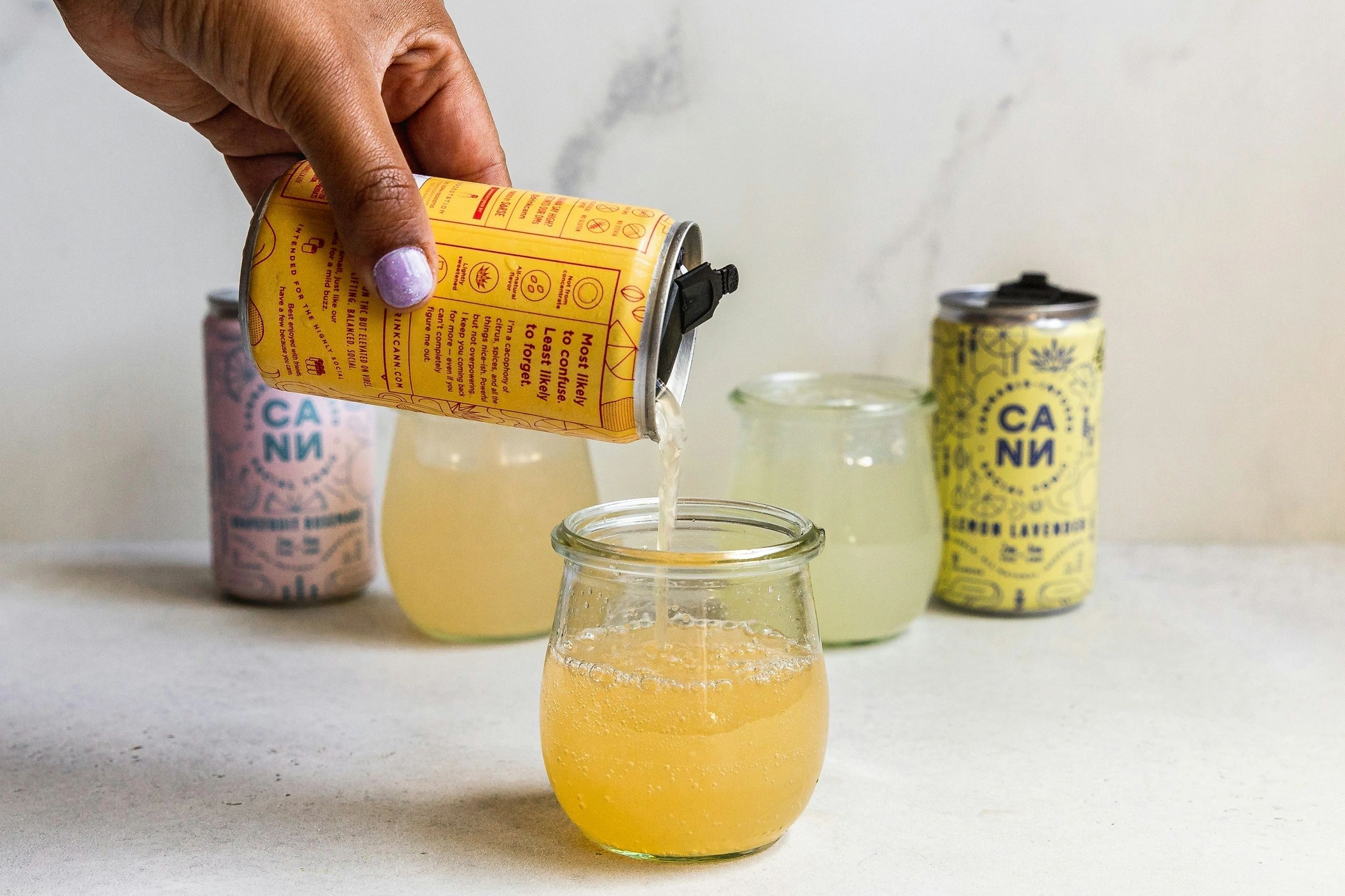
WORCESTER—Last week, the Alcoholic Beverages Control Commission (ABCC) ordered stores and restaurants in Massachusetts to stop selling hemp-derived CBD and THC products or face losing their liquor licenses. This decision shuts down a growing market in the state that had been operating in a legal gray area and could impact local businesses in and around Worcester.
Until now, state agencies hadn’t clarified the rules regarding these products. Most of these rules pertain to beverages without a legal age limit, but include suggestions for safe consumption and warnings about driving or operating heavy machinery. Since hemp is an agricultural product, it falls outside the jurisdiction of the state’s Cannabis Control Commission.
“Although hemp and cannabis come from the same plant, they are regulated very differently at every level of government, from local to state, federal, and even international,” said Ulysses Youngblood, founder and president of Major Bloom Cannabis Dispensary in Worcester. “Since these specific products are beverages, the ABCC wants to restrict them to gain experience, insights, and guidance and to collaborate with state and federal regulators.”
By April of this year, the state’s marijuana industry passed $6 billion in sales for adult use since the first dispensary opened back in 2018. The industry has also generated more than 22,000 jobs, with many in Worcester at local dispensaries, retailers and restaurants. These include Mission Worcester Cannabis Dispensary, Clear Sky Cannabis Dispensary Worcester, Diem Cannabis Dispensary Worcester, and Major Bloom Dispensary, among many others. Worcester also features a private club, The Summit Lounge, which operates as a private cannabis consumption lounge with around 12,000 members.
Youngblood argued these imposed restrictions by the ABCC may affect other types of businesses around Worcester.
“The ABCC is trying to restrict non-cannabis retailers and restaurants from selling these specific products to establish control and standardization,” he said. “From my THC operational viewpoint, the Massachusetts Department of Agricultural Resources (MDAR) regulates the agricultural economy, including hemp. In contrast, the Cannabis Control Commission (CCC) regulates the cannabis economy, including THC products.”
The ABCC based its ban on advice from the state Department of Public Health (DPH) and the Massachusetts Department of Agricultural Resources. The DPH states that selling and making hemp-derived CBD and THC food products is illegal under federal law. The FDA has said that the Federal Food, Drug, and Cosmetic Act prohibits adding hemp-derived CBD and THC to food products because they are active ingredients in FDA-approved drugs.
Since last year, several liquor stores and restaurants, including Worcester’s Armsby Abbey, have been offering more drinks containing hemp-derived delta-9 THC and CBD as alcohol-free alternatives. These products became available due to a loophole in the 2018 Farm Bill, which removed hemp from the definition of marijuana in the Controlled Substances Act. However, if these hemp products have less than 0.3% delta-9 THC by dry weight, they are legal.
The Guardian reached out to Armsby Abbey, but they declined comment. Armsby Abbey and other businesses in Worcester will have to adapt to some of these changes around hemp-derived CBD and THC products to avoid penalties.
In addition, the recent decision by the ABCC may lead to a loss in revenue for several businesses in the area and a gain for others, Youngblood explained.
“It could impact my business and other cannabis retailers currently,” he said. “Cannabis retailers might see an increase in beverage sales, but with the summer approaching, seasonal increases would need to be accounted for to gauge the impact accurately. In the future, hemp beverages could offer a healthier alternative, potentially introducing more people to cannabis products who may also shop at dispensaries.”
Ultimately, Youngblood believes these recent crackdowns will have minimal impact on the industry, aside from initiating intentional conversations and options.
“I support the mass adoption of cannabis and hemp products and believe these products should be available in retailers and restaurants,” said Youngblood. “This restriction will affect beverage brands across THC and hemp, particularly hemp beverage companies, by limiting their distribution and selling channels.”
Matt Olszewski is a freelance content and news writer based in Boston, MA. In his free time, Matt enjoys running, hiking or skiing. Matt just graduated with his MPH from Tufts University. He can be reached at mattoskier@gmail.com
