
WORCESTER—As the nation barrels toward its 250th birthday, much of the conversation has sounded familiar: muskets, militias and the marble mythology of 1776.
Later this month in Worcester, the frame widens.
The American Antiquarian Society hosts a public panel timed to both Black History Month and the approaching semiquincentennial, asking what the American Revolution looks like when viewed through the lives and activism of Black women. The program, Black Women at the Center of Revolution, takes place Thursday, Feb. 26, from 7-8 p.m. at Antiquarian Hall on Salisbury Street and will also be livestreamed.
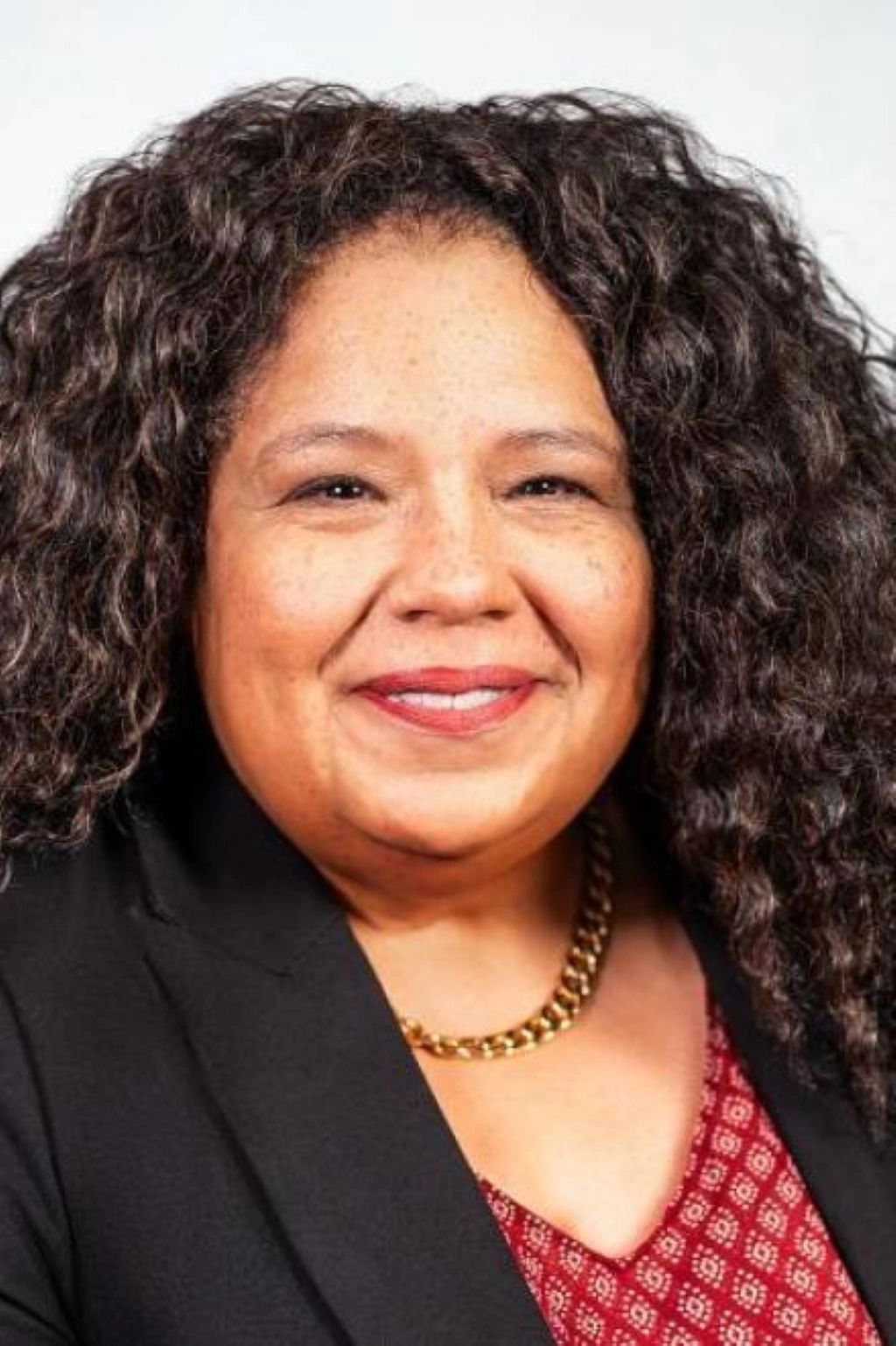
Moderated by Deborah Hall, chief executive officer of the YWCA of Central MA, the event welcomes three Massachusetts-based public historians to reconsider how the nation defines “revolution,” and whose freedom struggles count.
“As the United States approaches its 250th anniversary, the American Antiquarian Society brings together a panel of distinguished Black women scholars to reconsider how the nation defines ‘revolution’ and whose struggles are recognized as revolutionary,” the announcement states.
Hall challenges the traditional story line. “Conversations about the American Revolution tend to focus on historic battles and soldiers who served in the fight for freedom,” she said in a statement. “We tend to privilege foundational documents such as the Declaration of Independence while minimizing the freedom petitions of enslaved people that exposed a fraught union,” she said. “If we center Black women and their role in revolutions, how might we tell a different story about our nation? How might we understand the fight for freedom, liberty, and the pursuit of happiness differently?”
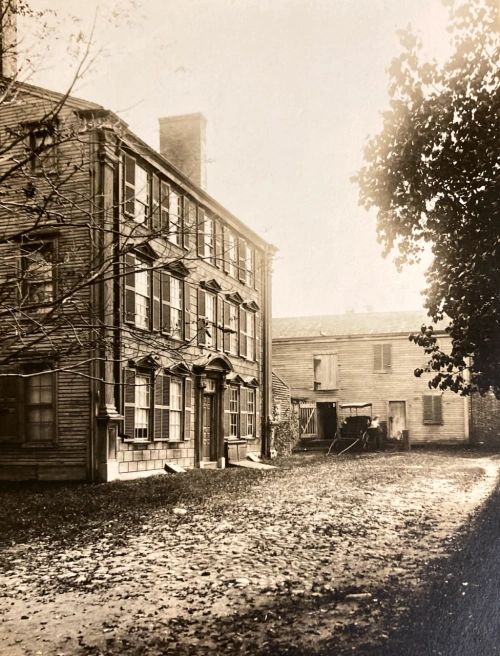
The panelists include Patrice Green, curator for African American and African diasporic collections at the Schlesinger Library at the Harvard Radcliffe Institute for Advanced Study; Kyera Singleton, executive director of the Royall House and Slave Quarters; and Angela Tate, chief curator and director of collections at the Museum of African American History.
Placing the American Revolution in conversation with Black freedom movements across time, the discussion highlights figures such as Maria W. Stewart, who in the early 19th century became one of the first women in the United States to speak publicly about abolition and women’s rights, and Belinda Sutton, who in February 1783 petitioned the Massachusetts General Court for a pension from the estate of the man who had enslaved her. The panel will also reference the Combahee River Collective, a Black feminist lesbian socialist organization active in Boston from 1974 to 1980, drawing a line between 18th-century petitions and 20th-century organizing.
Founded in Worcester, the American Antiquarian Society is a national research library dedicated to collecting and sharing materials from before 1900 in what is now the United States. Its holdings include more than four million printed, handwritten, and visual items, from pamphlets and broadsides to children’s literature and graphic arts, according to the organization.
The Feb. 26 program is free and open to the public. As the country prepares for commemorations marking 250 years since the Declaration of Independence, the evening promises to complicate the usual pageantry—not by discarding the founding narrative, but by asking who else was fighting for freedom, and how.
