
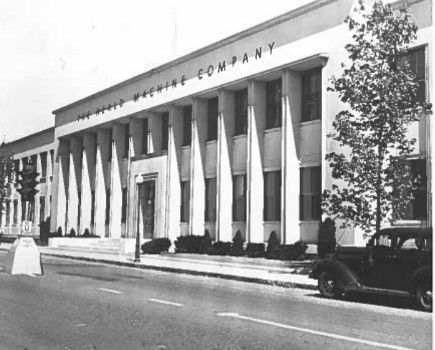
The school was originally for students from kindergarten through fifth grade and added a grade each year until it became kindergarten through 12th grade. Now, the campus has three buildings, housing more than 1,400 students.
WORCESTER—Twenty-five years after its doors opened in 1999, Abby Kelley Foster Charter Public School remain a fixture in the community, and it all started over a cup of coffee.
“There were two moms with young kids who came up with the proposal over coffee,” Executive Director Heidi Paluk said. “Both of them had educational experience, and they were able to get it funded. The idea was to spur a competitiveness, for lack of a better word, and raise the bar for everyone.”
Charter schools were approved by the Massachusetts Education Reform Act of 1993; though they fall under the umbrella of public education, these schools are independent of any particular district and operate under charters that must be renewed every five years. There are currently 70 such schools in Massachusetts.
The school was named for Abby Kelley Foster, an abolitionist and early women’s rights advocate who lived in Worcester. She used her skills as a lecturer and advocate to speak for women and African Americans.
The school’s first director was Doris Schroeder.
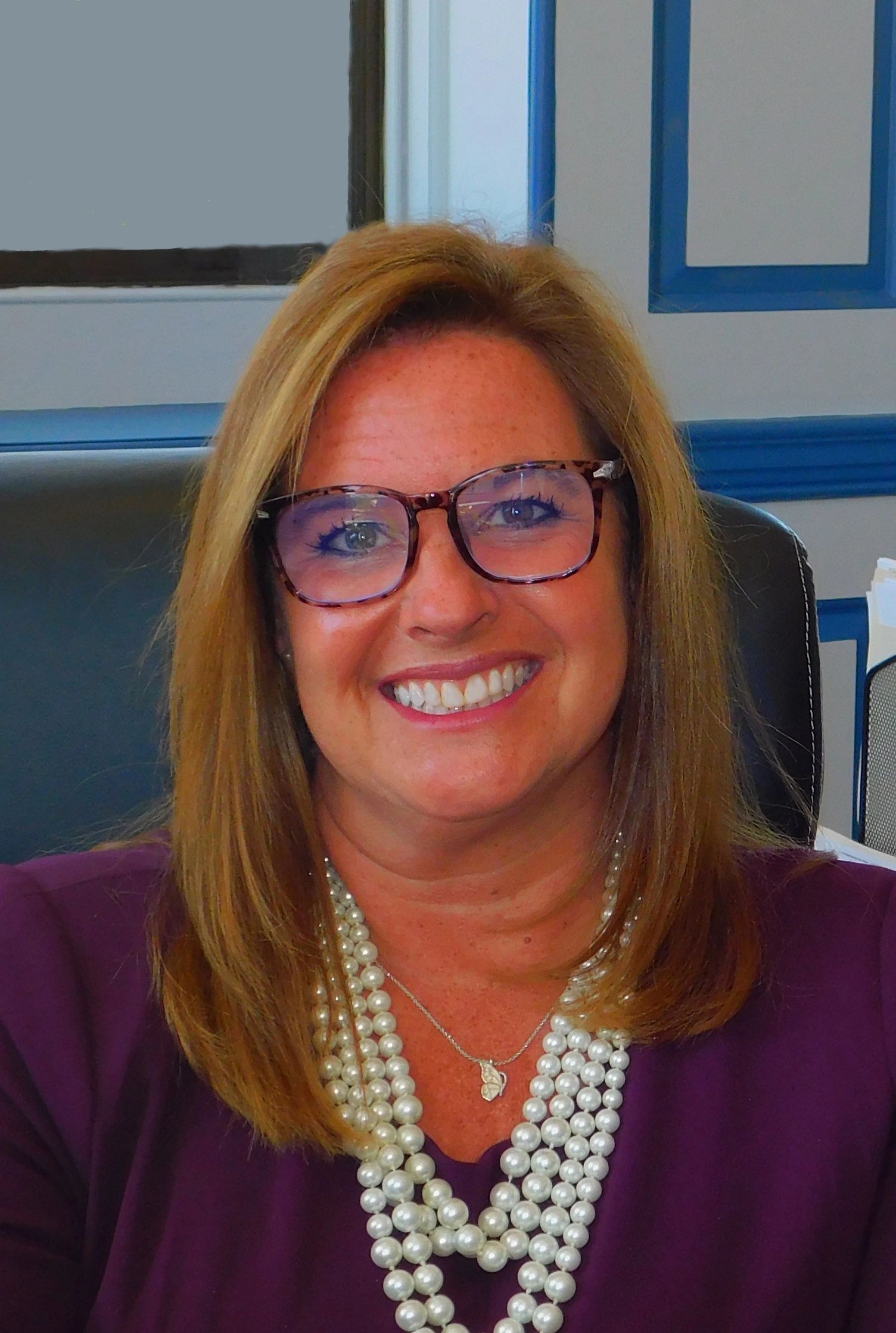
“It was wild at the beginning, but we loved her,” retired teacher Christine Lee said. “I have nothing but respect for her. She took an empty building and made it a school. … She had to pull a staff together from nowhere.”
The school was originally for students from kindergarten through fifth grade and added a grade each year until it became kindergarten through twelve grade. The first class of 20 graduated in 2006. The first class of children who attended all 12 years was in 2011.
Now, the campus has three buildings, housing more than 1,400 students.
The day the school opened, ESL Director Amelie Cabral said, there were no front doors and no working elevators.
“The original playground was on a hill and did not have turf — it was full of wood chips,” she said. “The activity center was an actual company, called ‘Rain for Rent.’”
Over the years, the school has grown and has had to relocate and regroup. During the 2002-2003 school year, it leased space at Temple Emmanuel for grades 6 through 8. In the fall of 2008, Abby Kelley moved to the former Salter School on Ararat Street while a new high school was built. That building opened in August 2009, on time and within budget.
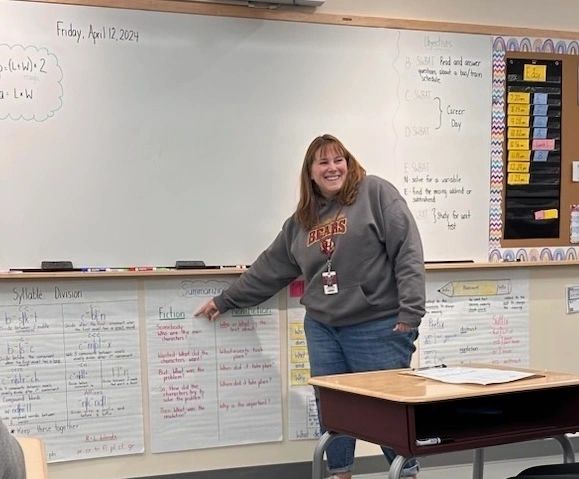
And in the fall of 2010, Abby Kelley became an International Baccalaureate World School. The IB program offers courses in several areas, including physics, biology, Latin, and visual arts and music. Students can take part as full diploma students, or certificate students.
Initially, the school was managed by Advantage Schools, Inc., which was common for charter schools at that time, Paluk said.
“This company created the mission statement, policies and procedures, and the curriculum,” she said. “But it was a for-profit company, so there were concerns that the money was going to the company, not the kids.”
Within five years, the school had parted ways with Advantage and, with permission from the state, wrote its own mission statement and included character virtues that are still taught today: Responsibility, Truth, Citizenship, Fairness, Respect, True Friendship, Kindness, Perseverance, Self-Discipline and Courage.
“There was the opportunity to share your opinion and have someone listen,” High School Special Education teacher Dianne Wasgatt said. “We, as a staff, were saying the curriculum wasn’t appropriate for the students we had. We were part of getting the change and the breakaway from Advantage.”
Past and Present
While some things have certainly changed over the years, some things have remained the same.
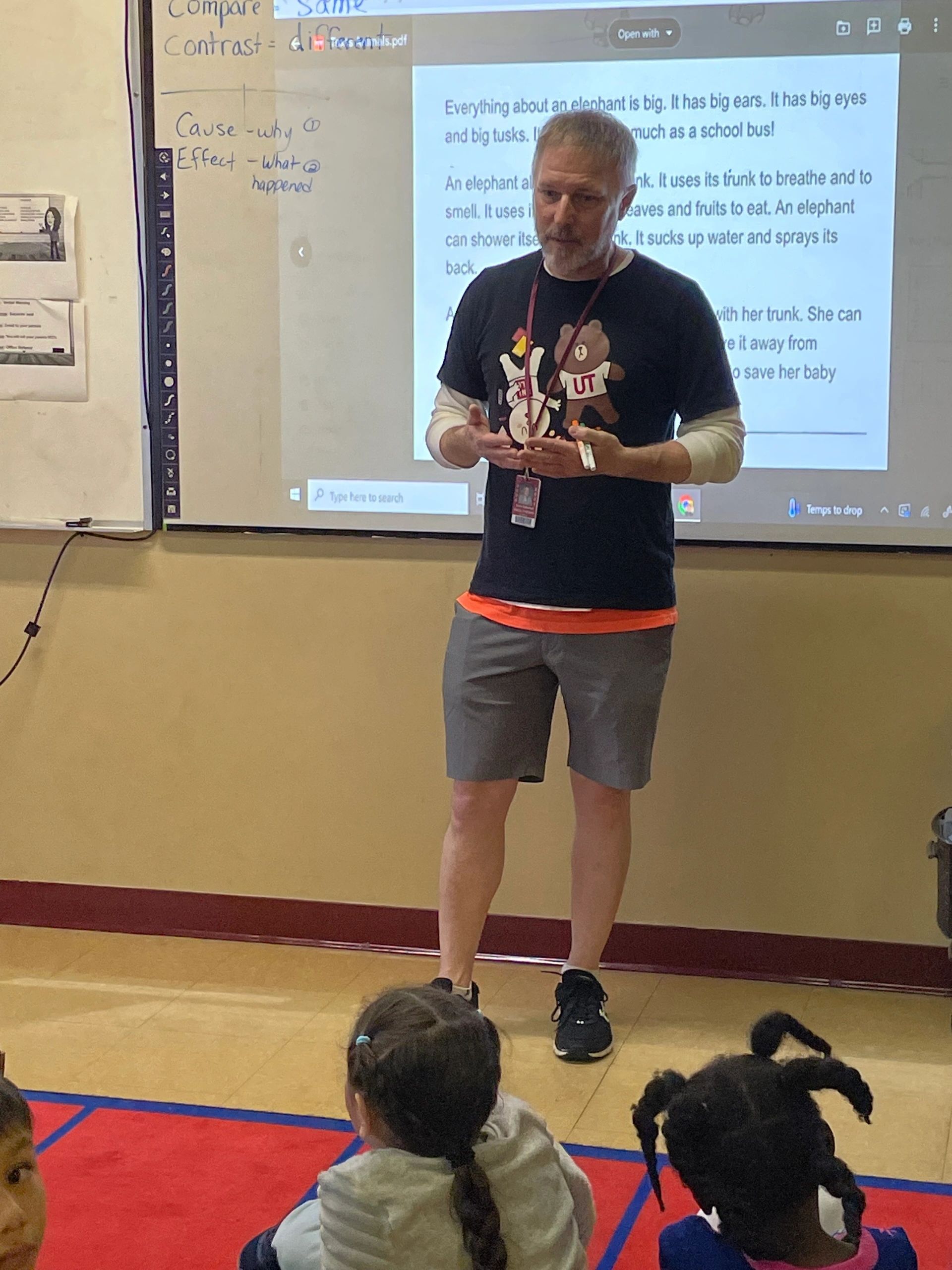
“We have a hallmark and a community,” Paluk said. “Our character virtues … and culture make us exceptional. The heart and soul are the people who work here and the students we serve, and that makes Abby Kelley, Abby Kelley. … We have changed a little because of society, but we want to make sure our foundation is solid for the next 25 years.”
One of the changes has been in the demographics of the students.
“When we started, it was 88 percent white,” Paluk said. “Now, it’s 88 percent non-white. So how do we embrace that? Our lives are richer for this experience.”
Paluk said there will need to be investments in facilities as well.
“There are changes around us, so what do we need to do to adapt,” she said.
Despite societal changes, the notion that teachers and families are educational partners remains its core belief.
“I believe in the mission statement that parents are the first educators of their children,” Kindergarten teacher Lucy Marcil said. “The first thing I love about Abby Kelley is the children and their families. They have taught me so much about the world and have made me want to be the best teacher that I can be.”
Celia Blue’s daughter graduated in 2019, and she said her family was “thrilled” with her daughter’s experience. The robust education, including music, theater, and foreign language, was an “amazing experience” for a public school, she said.
“When she went to college, she said, ‘Mom, I’m so ready,’” Blue said. “That’s the difference – you’re getting what you need to navigate on your own.”
Blue volunteered while her daughter was at Abby Kelley, and spent 12 years on the Board of Trustees. She helped start the first PTO, the first parent-led scholarship program, Abby’s Attic (which takes donations of outgrown uniform pieces and resells them for $1), and served on the parents’ advisory council for students with disabilities.
“I was invested, but I have no regrets at all,” Blue said. “As a parent, it’s great to have a choice.”
All About the Relationships
Abby Kelley, Paluk said, is a place where you get to really know the families.
“It’s very student-centered,” she said. “And it’s about supporting each student’s individual success. I’m always in awe that’s at the center of what we do.”
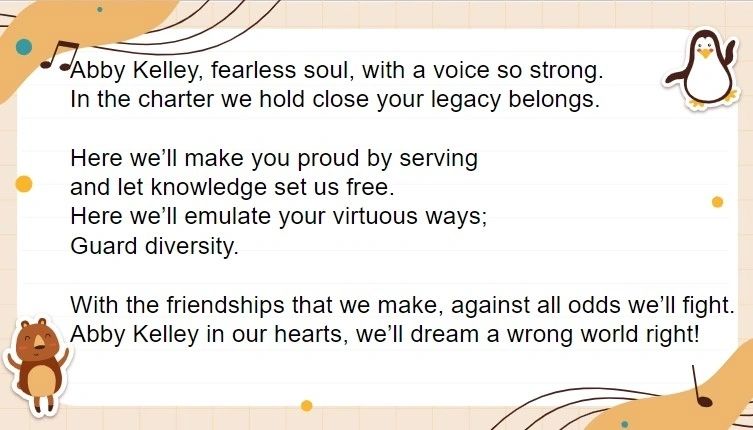
“Abby Kelley offers a lot of really good things,” Wasgatt said. “Family encouragement, support from the other staff. That’s not everywhere – sometimes you go to teach, and you close the door and you’re on your own, but that’s not the Abby Kelley way.”
Elementary School ESL teacher Bruce Rutherford agreed. Both he and Wasgatt have been with the school district since the first year.
“There is an amazing community of educators that have supported me as I began and developed my career as an educator,” he said. “I appreciate the dedication of the people I work with and the fact people are always willing to answer questions, share materials or just listen when you are having a rough day.”
And of course, in a school named for a strong woman, Abby Kelley has had strong female leaders.
“The founding director, Doris Schroeder, the first executive director, Kathleen Greenwood, who led the building of the high school and current director, Heidi Paluk, who shepherded AKF through the pandemic, were role models for competent and compassionate female leadership,” Lee said. “We were blessed to have the people we had.”
This is something the students never forget.
“I had a particular kindergarten class,” Wasgatt said. “I wanted to see all of them on the senior stroll, and I held up my t-shirt that had all their signatures on it. I was beside myself.”
As the students approached her, Wasgatt told them, “Do you remember when you were little, and you would say, ‘will you remember me?’ I want you to know I remember you, and you have no idea how proud of you I am.”
Christine M. Quirk is the former editor of MotherTown and has written for the Telegram & Gazette, Bay State Parent and Times & Courier. She is a novelist and educator and lives with her family in West Boylston. She can be reached at cmqwriter@gmail.com
As the Worcester Guardian marks more than half a year of delivering free, independent digital news to our city, our dedication to this mission strengthens. Please consider a tax-deductible donation to support our ongoing commitment to providing hyperlocal news coverage to Worcester.
