
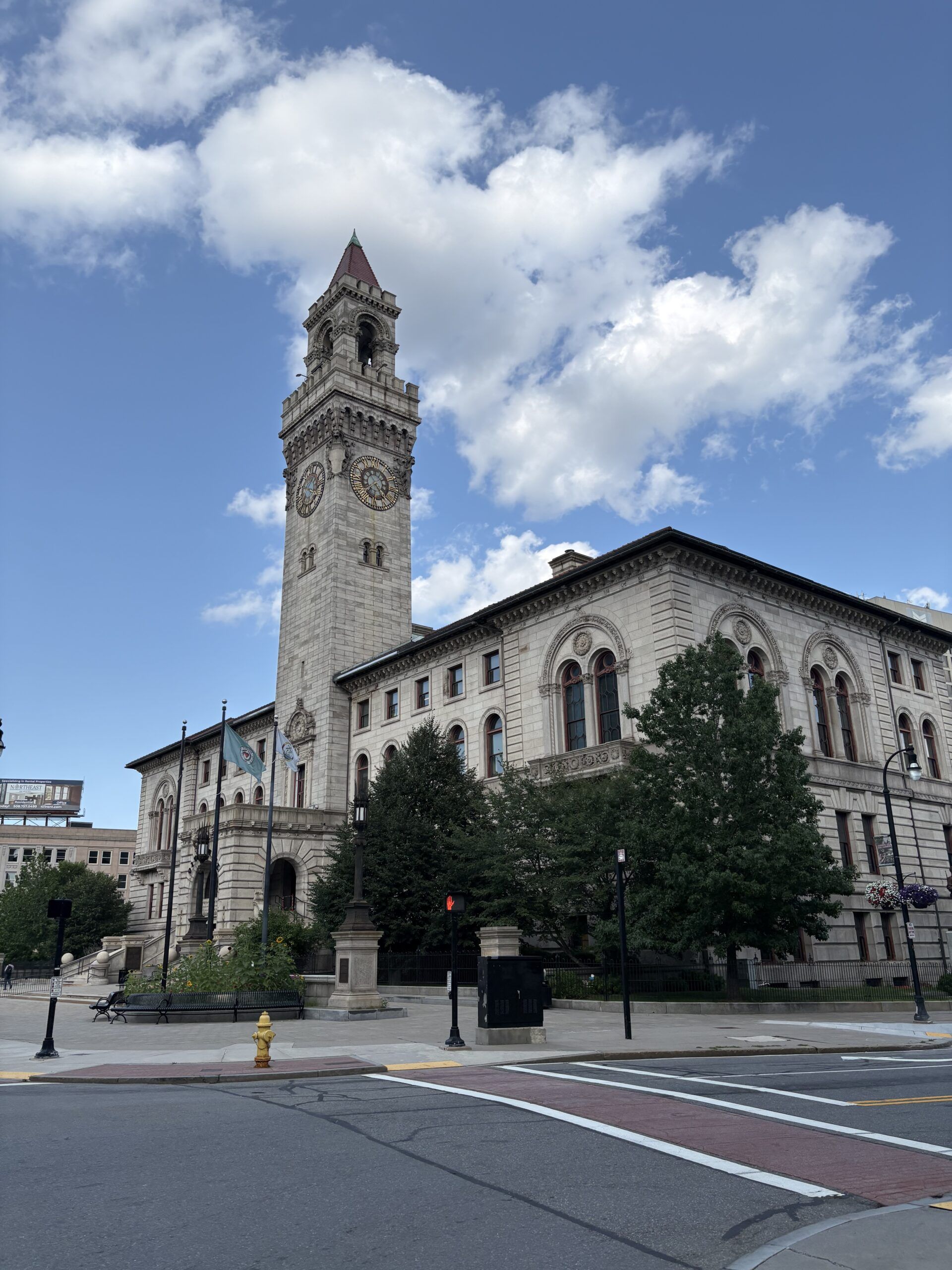
The federal investigation into the Worcester Police Department may be over. The argument over what its ending means is decidedly not.
City councilors likely wade into those disputed waters Tuesday, when they take up a request for a public discussion of the U.S. Department of Justice’s decision to close its investigation of Worcester police—a decision that has triggered sharply different interpretations from City Manager Eric Batista, Council Vice Chairman Khrystian King and community advocates.
The discussion promises to dominate a wide-ranging late-summer agenda that also includes a proposal to begin a public debate over speed cameras, an update on city finances, economic development matters, Worcester’s Vision Zero initiative and questions ranging from chronically closed lakes to smelly railcars.
DOJ decision heads to council floor
Councilor Kate Toomey is asking the Standing Committee on Public Safety to hold a public discussion regarding the closure of the DOJ investigation into the Worcester Police Department and city.
The request arrives amid a contentious week at City Hall.
The DOJ began investigating Worcester police in November 2022 and issued findings in December 2024 concluding there was reasonable cause to believe WPD engaged in a pattern or practice of conduct that violated the Constitution and federal law.
Among other findings, federal investigators identified excessive force and sexual misconduct involving officers and women suspected of involvement in the commercial sex trade. The report also identified racial disparities in policing, although DOJ stopped short of finding an unlawful pattern of racial discrimination.
The city announced Aug. 7 that DOJ had closed the investigation “without further action and without sustaining any allegations from its 2024 report.”
But a DOJ letter subsequently obtained by GBH News complicated that characterization. According to GBH, federal officials did not retract the 2024 findings. Instead, DOJ cited changes made by the police department and a lack of current allegations involving the conduct examined by investigators in explaining why it was closing the matter.
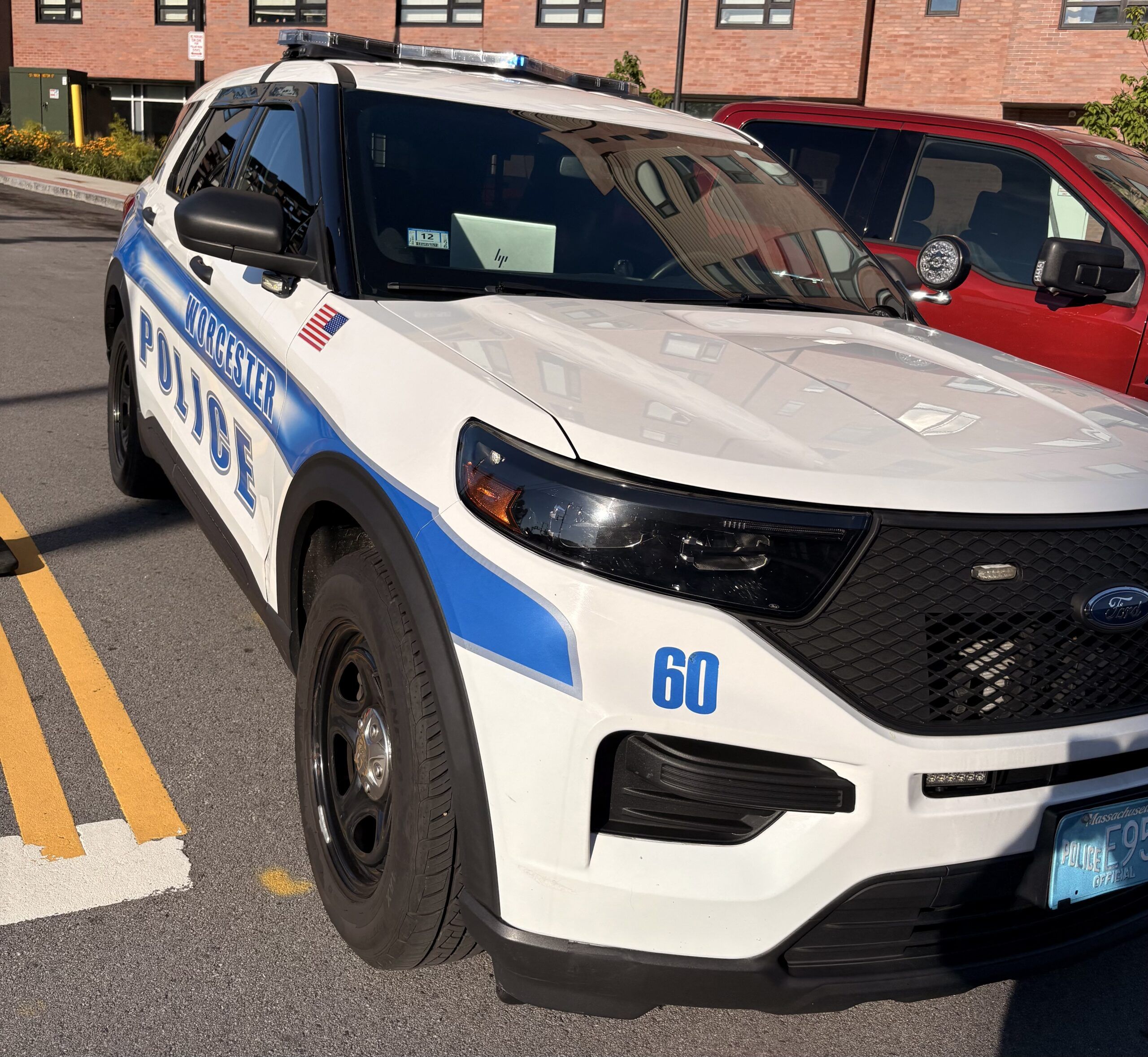
Batista has since pushed back against criticism of the city’s announcement, saying Worcester never claimed the findings had been retracted or that the underlying allegations were unfounded.
“The closure of the DOJ investigation is not vindication, but it does reflect our progress and should be recognized,” Batista said Friday.
King has offered a considerably different assessment, arguing that ending the federal investigation does not erase its findings.
“Inaction is not exoneration, and an abandoned federal process is not vindication,” King said last week. “The Trump administration’s failure to finish the job does not erase the DOJ’s findings or invalidate the concerns of Worcester residents.”
Batista, who has said it is now Worcester’s responsibility to follow through on corrective action, indicated he plans to address the matter further before the council Tuesday.
The debate also overlaps with another unresolved fight over police accountability. Batista recommended last month that Worcester not create an independent civilian review board, instead calling for the city to strengthen its existing oversight framework. King and a coalition of community organizations continue to advocate for a civilian review board with subpoena power and access to evidence.
Police Chief Paul Saucier, meanwhile, has said the department continues reforms regardless of the end of federal involvement, including its effort to meet 274 standards as it pursues accreditation through the Massachusetts Police Accreditation Commission.
Speed cameras could get a Worcester hearing
A proposal moving through the legislature could eventually put a new tool in Worcester’s traffic-safety arsenal—and perhaps a new reason for drivers to watch the speedometer.
Councilor Gary Rosen is asking the Standing Committee on Traffic and Parking to hold one or more hearings to gauge public support and opposition to legislation that would allow municipalities to install automated speed cameras in school zones and on municipal streets.
According to Rosen’s order, the proposal is tied to the legislature’s $575 million economic development bill and could allow as many as 40 cameras in Worcester. Drivers exceeding the posted speed limit by 11 mph or more could face fines of up to $100 per offense.
Rosen is asking for public hearings before Worcester considers adopting any locally authorized program should the state legislation pass.
The proposal comes as speeding and traffic safety continue to surface elsewhere on the council agenda. Councilor Satya Mitra is separately requesting a report on measures currently used by police and the Department of Transportation and Mobility to enforce speed and traffic laws, along with additional practices the city could consider.
Checking Worcester’s books
Councilors also get a look at Worcester’s financial position as the books close on another fiscal year.
Chief Financial Officer Timothy McGourthy is transmitting a financial update covering the period ending June 30, providing councilors with a year-end snapshot of municipal finances.
The agenda also carries a lengthy slate of grants for potential acceptance, including $5.5 million from the U.S. Department of Housing and Urban Development for lead-hazard reduction, $1.65 million through the state’s MassWorks Infrastructure Program, $1 million through the Environmental Protection Agency’s Brownfields Program and up to $900,000 through the state Municipal Vulnerability Preparedness Program.
Other proposed grants include $199,005 for the Shared Streets Equipment Grant Program, $92,000 for jail and arrest diversion and $40,800 for the Central Mass Digital Preservation Hub Initiative.
Development, streets and Vision Zero
On the economic development front, the administration is recommending approval of an Urban Center Housing Tax Increment Financing agreement for properties at 16-32 Lakeside Ave. and 18-20 Garland Ave.
The proposal involves the third phase of the Worcester Housing Authority’s Lakeside Apartments redevelopment, which would add 103 affordable multifamily units in a four-story building. Batista wrote in his Substack agenda preview Monday that the proposed tax agreement would run for 20 years with an average exemption of 90%. Despite the exemption, he said, the city would receive about $856,000 in property taxes over the life of the agreement.
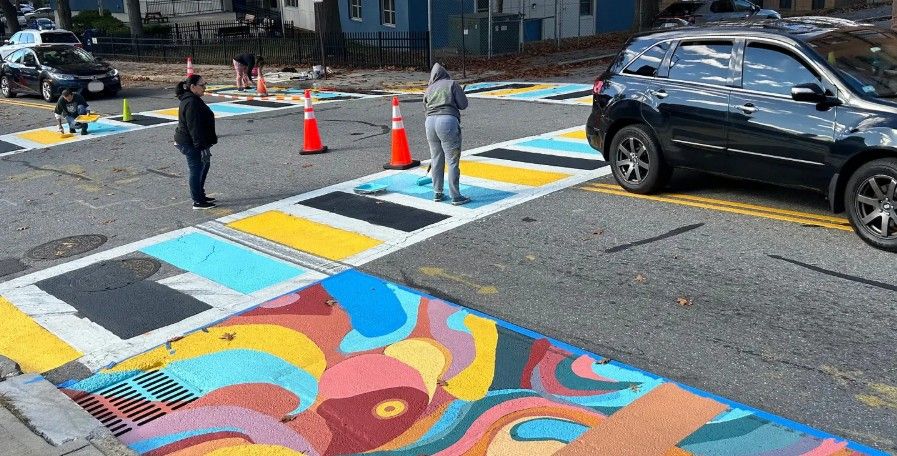
The Department of Transportation and Mobility shares Worcester’s Vision Zero annual report, part of the city’s ongoing effort to reduce serious and fatal crashes. Worcester has set a goal of eliminating roadway deaths and serious-injury crashes by 2035, but recorded 110 crashes involving a fatality or serious injury in 2025, according to Batista’s Substack preview.
The report includes 77 speed humps installed across 41 streets, a new Rapid Response Program to audit locations following serious-injury crashes, signal-timing changes at nine intersections and 1,492 targeted speed-enforcement activities on 34 Vision Zero Priority Injury Network corridors. Complete Streets projects were also implemented on portions of Burncoat, Mill, Grove and Stafford streets.
Batista wrote that preliminary crash data from Burncoat, Mill and Stafford streets point to safer conditions and that speed humps have produced significant reductions in vehicle speeds, although he acknowledged “there is still a lot of work to do.”
Commissioner Stephen Rolle is also providing information on the functional classification of Worcester streets and recommending an ordinance amendment establishing tow zones on portions of Albany Street and Fantasia Drive.
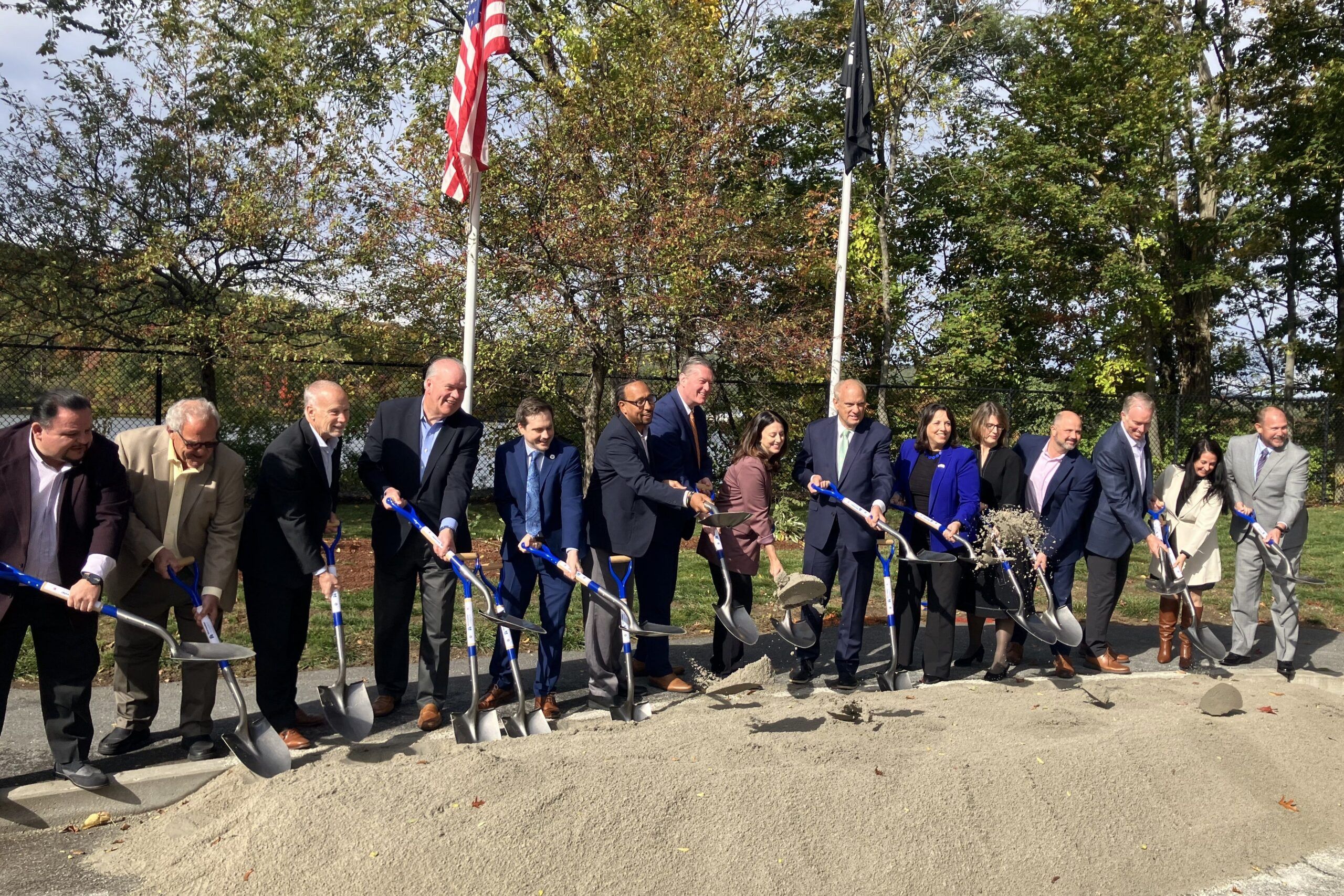
The council also receives a Public Service and Transportation Committee report concerning the Worcester Regional Transit Authority’s winter weather planning and snow removal at bus stops. The underlying order, originally filed by Councilors Sarai Rivera and Khrystian King, dates to January 2023; the committee is recommending that the report now be placed on file.
Another transportation item encourages WRTA administrators to pursue state Microtransit and Last-Mile Transit Grant Program funding and Fiscal Year 2026 Community Transit Grant Program funding.
Other highlights on the agenda
- A better route to school: Thomas Vincent is requesting a traffic study on Shore Drive near Bancroft School, with an eye toward reconfiguring how vehicles enter and leave the campus. School traffic can create daily congestion and safety concerns, especially during arrival and dismissal. The request would put the Department of Transportation and Mobility in a position to study whether changes to circulation, signage or roadway design could improve conditions.
- For the arts: The council gets a notice of the appointment of Alex Monaco to the Worcester Arts Council. The council helps distribute public funding for arts, humanities and cultural programming in Worcester and plays a role in supporting local artists and organizations. The council’s members help shape how public arts money is allocated across the city.
- Throw it in the can, man: Public Works Commissioner John Westerling is recommending changing the earliest time residents may place trash and recycling at the curb from 6 a.m. to 5 a.m. on collection day. Batista wrote in his Substack preview that the additional hour is intended to accommodate residents who leave early for work or other obligations while discouraging people from putting trash out the night before. City officials hope reducing the amount of time bags and recycling sit outside will also limit scattered materials and neighborhood litter.
- Why are the lakes and ponds closed so often? Rosen wants the administration to develop long-range recommendations aimed at reducing the frequent summer closures of Coes Reservoir and Indian Lake. High bacteria or toxin levels can force the city to prohibit swimming, boating, fishing and pet contact, sometimes during the hottest stretches of summer. Rosen is asking what Worcester can realistically do over time to prevent or reduce those disruptions rather than simply responding once water-quality problems appear.
- Imparting wisdom to the kids: Councilor Mitra is proposing an event that would bring Worcester Nobel laureates Dr. Victor Ambros and Dr. Craig C. Mello of UMass Chan Medical School before the city’s young people. Mitra wants high school seniors prominently included so students can hear directly about the scientists’ lives, discoveries and educational paths. He is also asking Mayor Joseph Petty to consider honoring the two researchers with keys to the city. The idea is part recognition, part inspiration— connecting Worcester students with two globally recognized scientists working in their own city.
- How clean is the Common? Mitra is also asking for a report on public safety, cleanliness, maintenance and enforcement at Worcester Common and surrounding streets. He wants the administration to spell out current conditions, existing outreach and enforcement efforts, and additional measures that could make the downtown park safer and more welcoming.
- Do you smell that? What is it? Mayor Joseph Petty wants the city to bring together state lawmakers and representatives from CSX over complaints about railcars carrying solid waste and idling in Worcester. According to the order, the concern is that those railcars are creating foul odors affecting businesses and homes, including properties around Canterbury Street. Petty is asking for a meeting aimed at preventing the cars from sitting in the city long enough for the smell to become a persistent neighborhood problem.
- Reading early: Worcester Public Schools is seeking council approval for an additional three-year agreement with Renaissance Learning Inc. to support reading, mathematics and early literacy instruction. The school committee approved the agreement unanimously, 8-0, at its July 16 meeting, with one member absent. According to the communication sent to the council, the contract would be funded entirely through the Worcester Public Schools budget. Council authorization is the next step before the district can enter into the extended agreement.
Worcester City Council meets Tuesday, Aug. 18, at City Hall in the Esther Howland (south) at 6 p.m. It is also livestreamed on the city’s website.
Have news, tips, or a story worth telling? Reach Editor Charlene Arsenault at carsenault@theworcesterguardian.org—because good stories (and great scoops) deserve to be shared.