
WORCESTER―The American Antiquarian Society (AAS) winter schedule of free public programs covers a wide range of topics, from the surprising history of pockets in fashion (it’s true!) and a scandalous divorce that rocked mid-nineteenth-century New York to the life of Henry “Box” Brown, who escaped slavery through the mail, and new revelations about politics and religion in early American life.
Exploring a deeper understanding of the American past, AAS programs are either hybrid (held both in-person at the Society’s Antiquarian Hall, 185 Salisbury Street in Worcester, and simultaneously livestreamed on YouTube) or virtual (held on Zoom), said the announcement. All programs are open to the public, and registration is required for both virtual and in-person programs.
The winter programs:
Thursday, Feb. 8, 7 p.m.
Brooding over Bloody Revenge with speaker Nikki M. Taylor, professor of history at Howard University. Virtual program, registration is required.
In this virtual book talk, Nikki M. Taylor reveals how enslaved women in the United States used lethal force in response to deeply personal wrongs committed by their owners. In her new book, Brooding Over Bloody Revenge (Cambridge University Press, 2023) Taylor strongly challenges assumptions that enslaved women only participated in covert, non-violent forms of resistance from the colonial period to the Civil War. Their stories, spanning centuries and legal contexts, show that enslaved women had their own ideas about justice and how to achieve it.
Tuesday, Feb. 20, 7 p.m.
The Opening of the Protestant Mind: How Anglo-American Protestants Embraced Religious Liberty with speaker Mark Valeri, Reverend Priscilla Wood Neaves Distinguished Professor of Religion and Politics at Washington University in St. Louis. Hybrid program, held in person in Antiquarian Hall and livestreamed on YouTube. Registration is required for both. Doors open at 6:30 p.m.
During the century from 1650 through 1760, a shift occurred in English descriptions of world religions, reflecting new and transformative ideas of religious freedom and tolerance. In this talk, historian Mark Valeri shows how Protestant views of other religions changed in the mid-eighteenth century from unabated criticism to praise for the moral mindsets of many Native Americans, the learning within many Islamic sects, and the kindness of many Roman Catholics. In New England, such changes affected Anglo-Protestants’ interactions—in trade, military affairs, and missionary encounters—with Native Americans. In his presentation, Valeri draws on his new book, The Opening of the Protestant Mind (Oxford University Press, 2023).
Thursday, Feb. 29, 2 p.m.
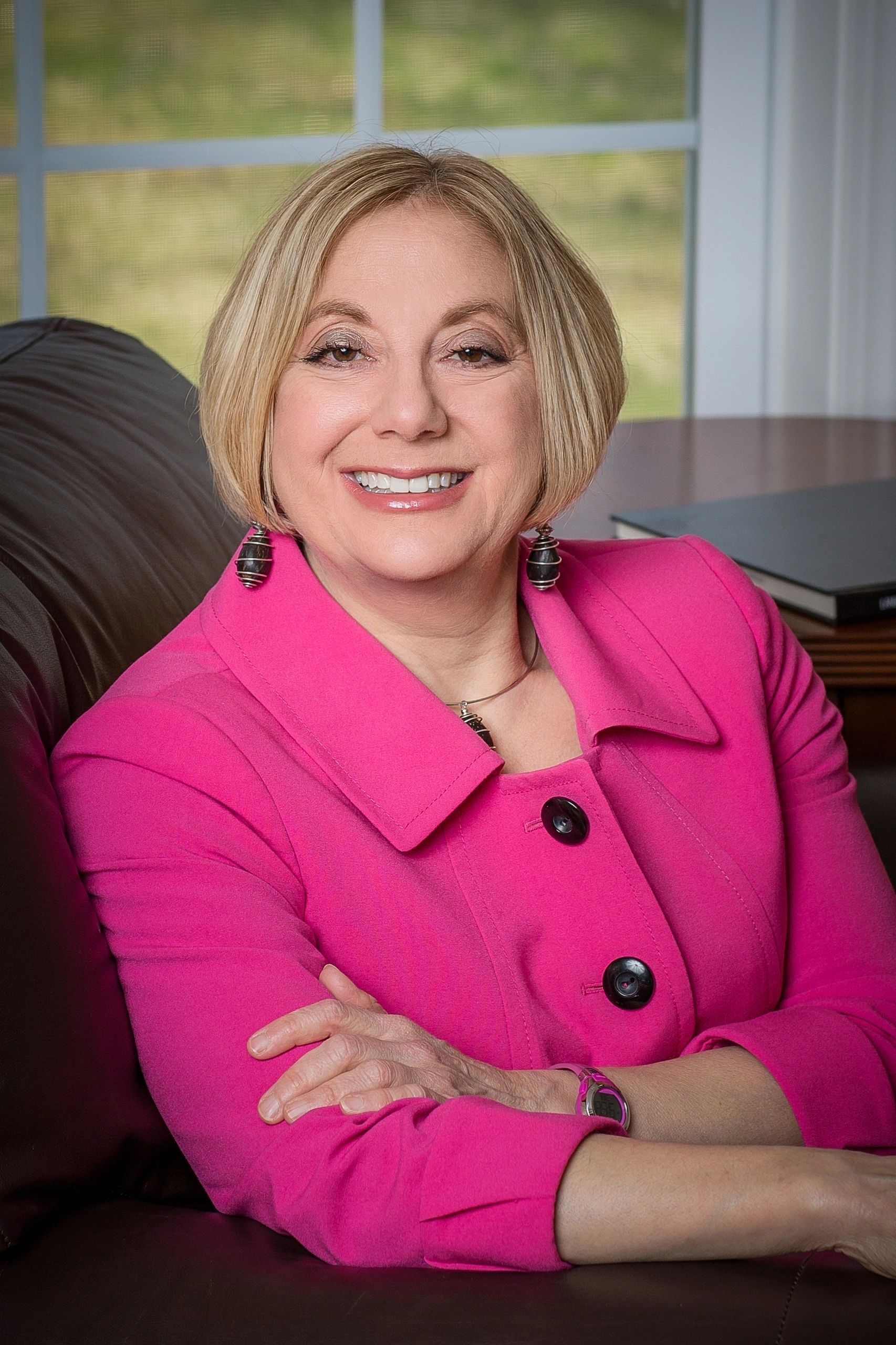
The Many Resurrections of Henry Box Brown with speaker Martha J. Cutter, professor of English and Africana studies at the University of Connecticut. Virtual program; registration is required.
On March 23, 1849, Henry Brown climbed into a large wooden postal crate and was mailed from slavery in Richmond, Virginia, to freedom in Philadelphia, Pennsylvania. “Box Brown,” as he came to be known after this astounding feat, went on to carve out a career as an abolitionist speaker, actor, magician, hypnotist, and even faith healer, traveling the United States, the United Kingdom, and Canada until his death in 1897. In this virtual talk, Martha J. Cutter reveals new insights into Henry Brown’s life, how he made himself a spectacle on abolitionist lecture circuits via outlandish performances, and how he reinvented himself again and again after repeatedly falling out of favor. Cutter shows how stories about Brown were invented and embellished over time, continuing to recreate his intriguing, albeit fragmentary and elusive story―fostering a new understanding not only of Brown’s life but of modern Black performance art that provocatively dramatizes the unfinished work of African American freedom.
Tuesday March 5, at 7 p.m.
Consistent Democracy: The Woman Question with speaker Leslie Butler, associate professor of history at Dartmouth College. Hybrid program, held in person at Antiquarian Hall and livestreamed on YouTube. Advance registration is required for both. Doors open at 6:30pm.
What did it mean that in the world’s first mass democracy only a minority ruled, with women—free and enslaved, white and Black, single and married—forming the largest group of people barred from full self-government in nineteenth-century America? Leslie Butler discusses how a range of observers and activists, thinkers and reformers at that time responded to—and questioned―these seeming anomalies. Drawing on her new book, Consistent Democracy: The “Woman Question” and Self-Government in Nineteenth-Century America (Oxford University Press, 2023) Butler shows how women were central as Americans debated democracy’s exclusions and confronted their aspirations and anxieties about popular government.
Thursday, March 14, 7 p.m.
Pockets: An Intimate History of How We Keep Things Close with speaker Hannah Carlson, senior lecturer in apparel design at the Rhode Island School of Design. Hybrid program, held in person at Antiquarian Hall and livestreamed on YouTube. Advance registration is required for both. Doors open at 6:30pm.
It’s a question that stirs up plenty of passion: Why do men’s clothes have so many pockets and women’s so few? Based on her new book, Pockets: An Intimate History of How We Keep Things Close (Algonquin Books, 2023), fashion historian Hannah Carlson, shows us how we tuck gender politics, security, sexuality, and privilege inside our pockets. She delves into the pocket’s 500-year history from when medieval tailors stitched the first pockets into men’s trousers, igniting controversy and introducing a range of social issues—from concealed weapons to gender inequality―that we continue to wrestle with today.
Thursday, March 21, 7 p.m.
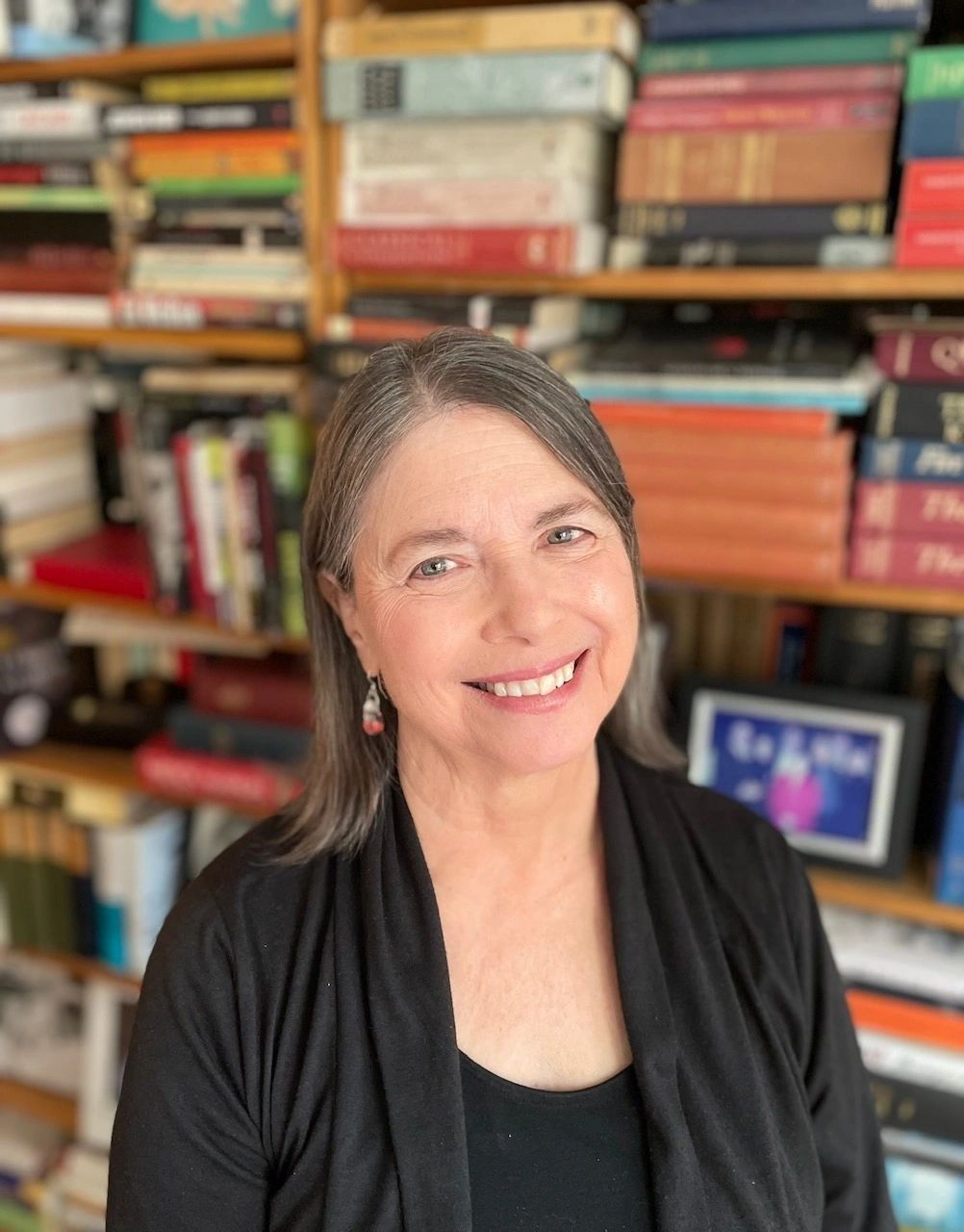
Strong Passions: A Scandalous Divorce in Old New York with speaker Barbara Weisberg. Hybrid program, held in person at Antiquarian Hall and livestreamed on YouTube. Advance registration is required for both. Doors open at 6:30pm.
In 1862, Mary Strong stunned her husband, Peter, the scion of a wealthy and influential family, by confessing to a two-year affair with his brother. Peter sued Mary for divorce, but not before she accused him of forcing her into an abortion and having an affair with the abortionist. Then Mary kidnapped their youngest child. New York-based writer Barbara Weisberg recounts the true story of the Strongs’ tumultuous marriage, explosive divorce, and riveting trial that included an array of witnesses from all walks of life and clashing versions of events. Through the drama of the Strong family saga, Weisberg illuminates laws and attitudes related to marriage, gender, and sexuality in the world of Edith Wharton’s “old New York” and highlights issues of women’s rights and freedoms argued at the trial and relevant now.
Thursday, March 28, 2 p.m.
The Haitian Revolution in the Early Republic of Letters with speaker Duncan Faherty, associate professor of English & American studies at Queens College. Virtual program; registration is required.
American periodicals covered the Haitian revolution from its outbreak in 1791 until well after it ended in 1804, describing it with sentimental and sensationalist undertones that helped shape U.S. literary culture in the early nineteenth century. Yet, scholars have often ignored how early Americans understood their nation as entwined with Haiti. Drawing on his new book, The Haitian Revolution in the Early Republic of Letters (Oxford University Press, January 2024), Duncan Faherty explores this phenomenon and shows how obsessed early American readers were with the seismic force of the Haitian Revolution and its aftershocks in the US domestic sphere. Not just an enigma occasionally deployed by American writers, Haiti was rather the inspiration for new ideas of freedom and resistance in a still-young nation.
People can learn more and register for programs at americanantiquarian.org.
