
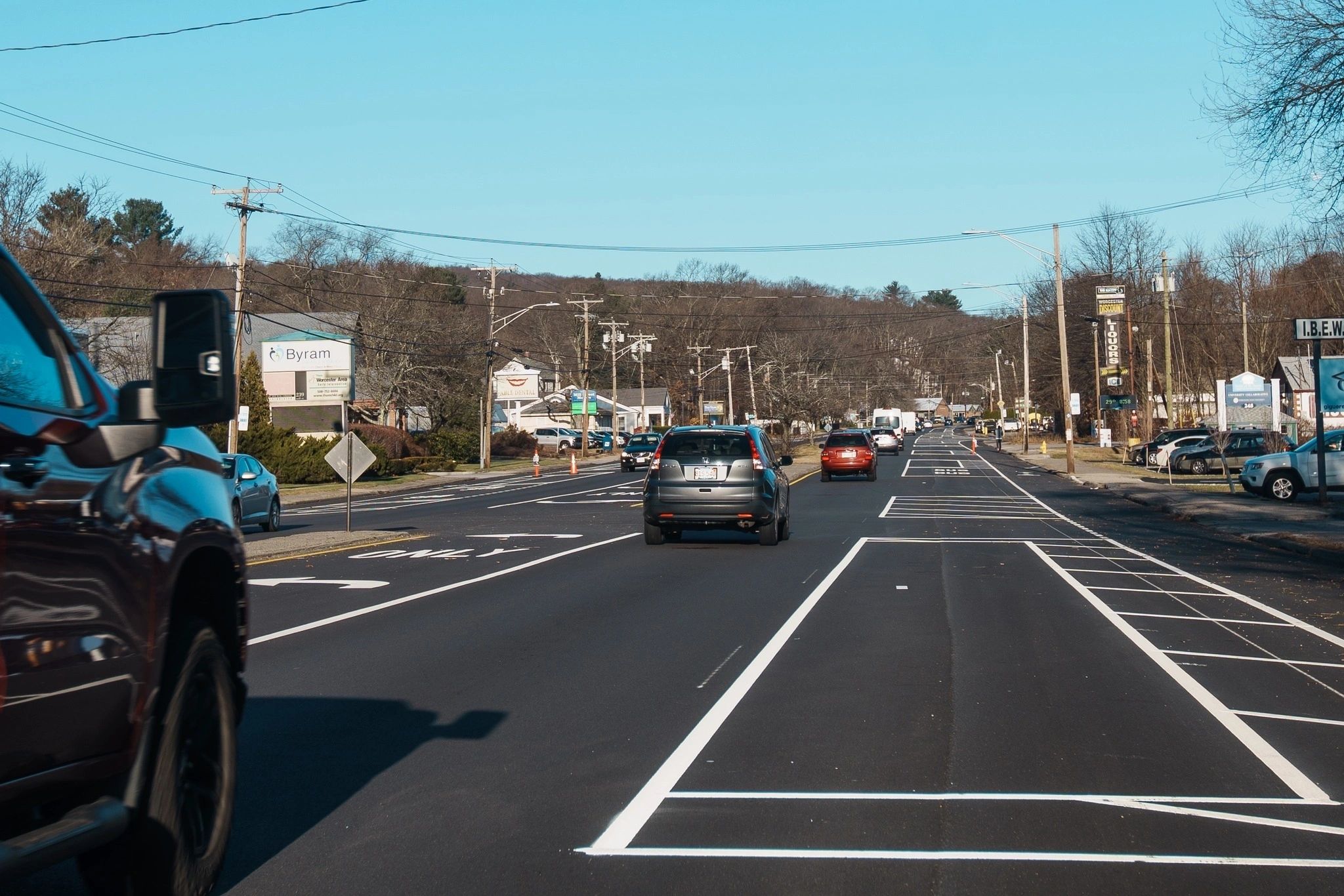
WORCESTER—Perhaps not since the grand debate over the best steak and cheese or Italian grinder in the city has a topic sparked such active contention as the redesign of Mill Street in Worcester. Completed on Dec. 1, 2023, the reconfigured Mill Street has garnered unrelenting public attention, with concerns about driver safety clashing with proponents who advocate for a pedestrian and bicyclist-friendly city.
For the unfamiliar, the Mill Street redesign included changing traffic patterns and adding parking spaces to protect bike lanes next to the sidewalk.
During the public comment portion of the Worcester City Council meeting on Tuesday, May 28, which included several Mill Street-related items on the agenda, more than 40 people spoke passionately on both sides of the road, so to speak. They argue that the new layout is either dangerously flawed or exactly what Worcester needs to progress toward a more “walkable city.”
“I’m fearful when I drive down the road,” said Len Zalauskus of Worcester at the council meeting. “It shakes me up. My father is 85, and he got his license 70 years ago, and he won’t go down the street anymore. You are used to parking next to the curb and that’s what you want to do. The road to me is dangerous. My wife and I are fearful going down the road.”
Karin Valentine Goins, program director of Preventive and Behavioral Medicine at the University of Massachusetts Medical School, is a familiar voice on the subject. At Tuesday’s meeting, she took to the mic to argue that those speaking up in opposition of the Mill Street changes, including city officials, are amplifying misinformation and data, and unnecessarily spinning a negative narrative.
“This time, I’m here to say I’m angry,” said Valentine Goins. “To those who would support these items, I would say, ‘How dare you. How dare you local elected officials with no transportation expertise presume the right to make road safety decisions. How dare you elevate opinions and misinformation of data and facts. How dare you continue to prioritize drivers’ convenience and familiarity over my safety as a person on a bicycle.’ You don’t have to ride a bicycle to support safety for those who do.”
Initial data ‘aligns with the five-year average’
The most recent crash report available, which tracks data from Dec. 1, 2023, through the end of March 2024, indicates fewer incidents on Mill Street compared to the same period last year. Interim Police Chief Paul Saucier’s assessment shows 13 crash calls during that period, down from 16 during the same time last year, aligning with the five-year average.
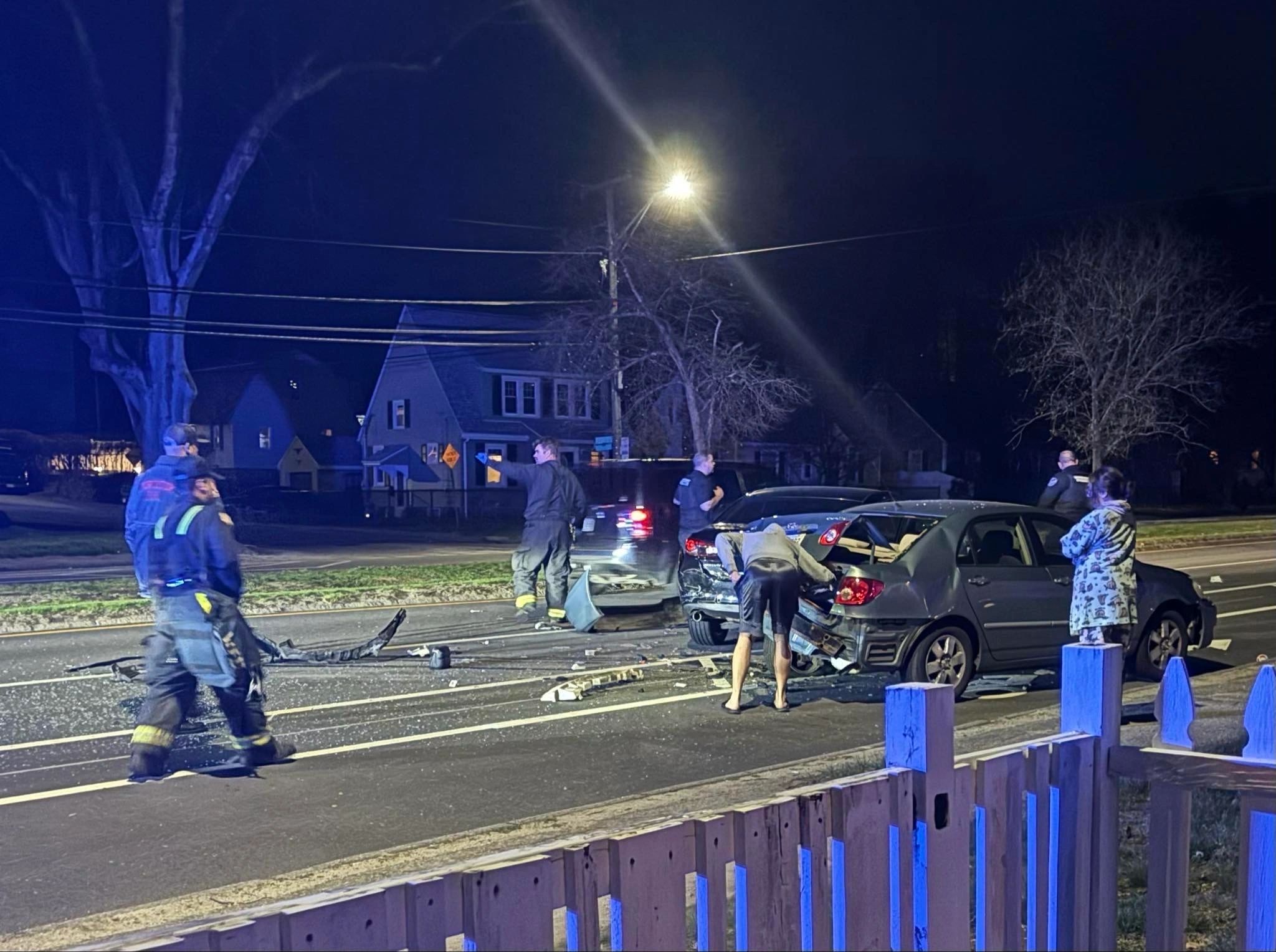
This includes an accident in late February when 90-year-old Worcester resident, Daniel Abraham, reportedly died after colliding with two parked cars on Mill Street before crashing. Those parked cars belonged to Kristine LaPointe, who lives at 302 Mill St., close to where the fatal accident occurred.
“My younger daughter and I were on the couch when it happened and it was absolutely terrifying,” LaPointe told the Worcester Guardian. “Thank God the kids weren’t in the cars at the time.”
She and her family have lived there since October 2020.
“We had no problems here before,” LaPointe said. “My house has had two total losses and the house directly next door to me has had a total loss and two houses down have had a total loss. It’s not just coincidence or drivers not paying attention. It’s confusing for everyone. I’ve seen with my own eyes how confusing this is for everyone.”
More updates needed?
City councilors took action after Abraham’s death, voting 9-2 for an order from Councilor-at-Large Morris Bergman to request Batista pause eliminating travel lanes on public streets for creating on-street parking spaces.
Saucier noted that more time is needed to assess the redesign’s long-term safety impact, but he expects the redesign to help drivers slow down and reduce crashes further as they adjust to the changes.
In March, Worcester’s Department of Transportation and Mobility was awarded a $2 million grant earmarked for improvements to the Mill Street redesign. Future updates for Mill Street involve expanded sidewalks, separated bike lanes, upgraded streetscapes, and better safety and traffic control at intersections.
The city is also implementing Vision Zero, a nationwide strategy that municipalities sign on to with the goal of eliminating fatalities and severe injuries caused by car accidents through better road design and management.
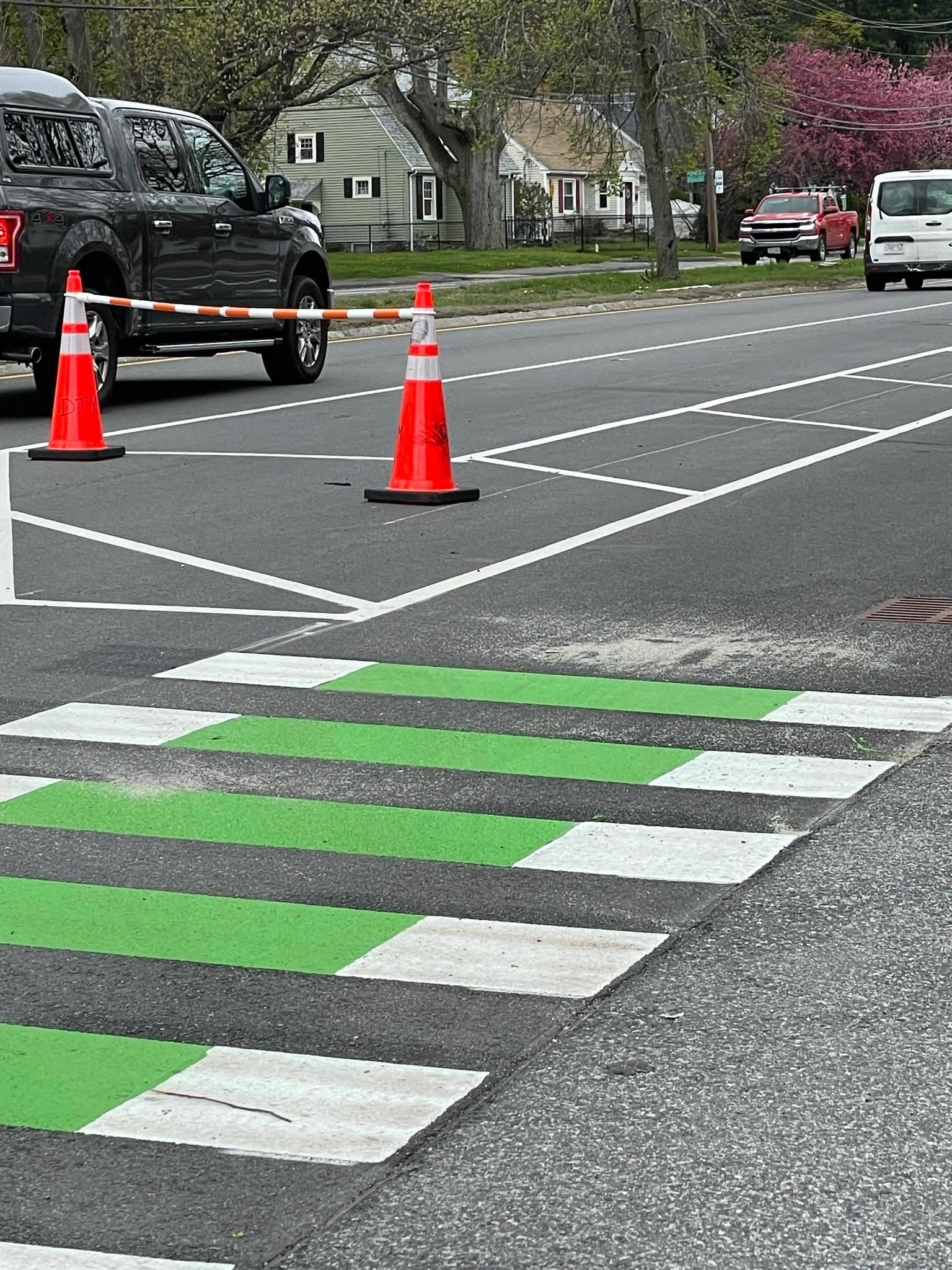
The official announcement reads: “The city is initiating a design effort to develop plans for transformative enhancements to Mill Street, including improved sidewalks, crosswalks located at regular intervals, enhanced streetscapes and landscapes, street lighting, on-street parking areas and installation of permanent separated bicycle facilities. Intersection improvements at Park Ave., June Street, and Airport Road are also part of the scope of work.”
Despite the redesign, residents continue to voice concerns about what they perceive as frequent crashes on Mill Street, with numerous complaints regularly appearing on neighborhood and city social media pages.
“I was given the opportunity to speak with a group of individuals on April 24 that have changed their route and don’t go Mill Street anymore,” said Worcester resident Wayne Griffin, who has been extremely vocal on the subject, at Tuesday’s council meeting. “One even changed their bank and doesn’t use Bay State bank anymore. There were also three accidents in less than 12 hours on Mill Street. That’s not all the people’s fault.”
Griffin also points to page 91 of the Massachusetts Registry of Motor Vehicles driver’s manual, which on page 91 states that vehicles should not park more than 12 feet from the curb. Griffin argues that the Mill Street design is “illegal.” That’s misleading, according to officials.
“The RMV manual is a general informational guide; it does not establish law,”
DTM Commissioner Stephen Rolle told the Guardian. ”In Massachusetts, where parallel on-street parking is allowed, vehicles are generally required to park within 12 inches of the curb or edge of the roadway. In the case of floating parking lanes, the bicycle lane is placed against the curb and the edge of the roadway is defined by the painted buffer, flexposts or other objects. Many cities across Massachusetts and nationally have established floating parking lanes, and these designs are covered in both the Federal Highway Administration’s (FHWA’s) Separated Bike Lane Planning & Design Guide and the MassDOT Separated Bike Planning & Design Guide.”
Rolle added that studies have revealed that separated bike lanes reduce crashes and the severity of crashes for bicyclists by a “significant amount,” and also reduce crashes of types overall.
“The Mill Street design not only incorporates separated bike lanes, but also a road diet and ‘right sizing’ of travel lanes, both of which have well established safety benefits,” he added. “Over the first six months of operation, crashes have been occurring at the same frequency as before the changes. We expect the crash rate to decrease as drivers become accustomed to the design. We continue to monitor the performance of the street on an ongoing basis and are making adjustments where needed to assist drivers and parkers as to the proper use of the roadway.”
‘Safer for cyclists, but at the expense of drivers’
Still, it’s been a tough sell to Worcester residents, and those who drive the street regularly. There is no shortage of people eager to share their displeasure with the change.
In an interview with The Worcester Guardian, Rachael Ellis, a Worcester resident who travels Mill Street daily, said, “I have noticed more crashes than usual. For many years people have treated Mill Street like a drag strip or play on their phones, slow merging into the wrong lane. I feel like it is still happening except there are parked cars now that stop them. I hope that they implement more signage about the changes, possibly at the beginning and end of Mill Street for people to become acclimated to the change.”
Holly Montero, a resident of District Five in Worcester, added, “As a driver here in the city and who visits people on Mill Street, it’s really awkward and quite nerve-racking to park in what feels like the middle of the street. I’m not convinced that the current layout and design of Mill Street is the right way to keep people safe.”
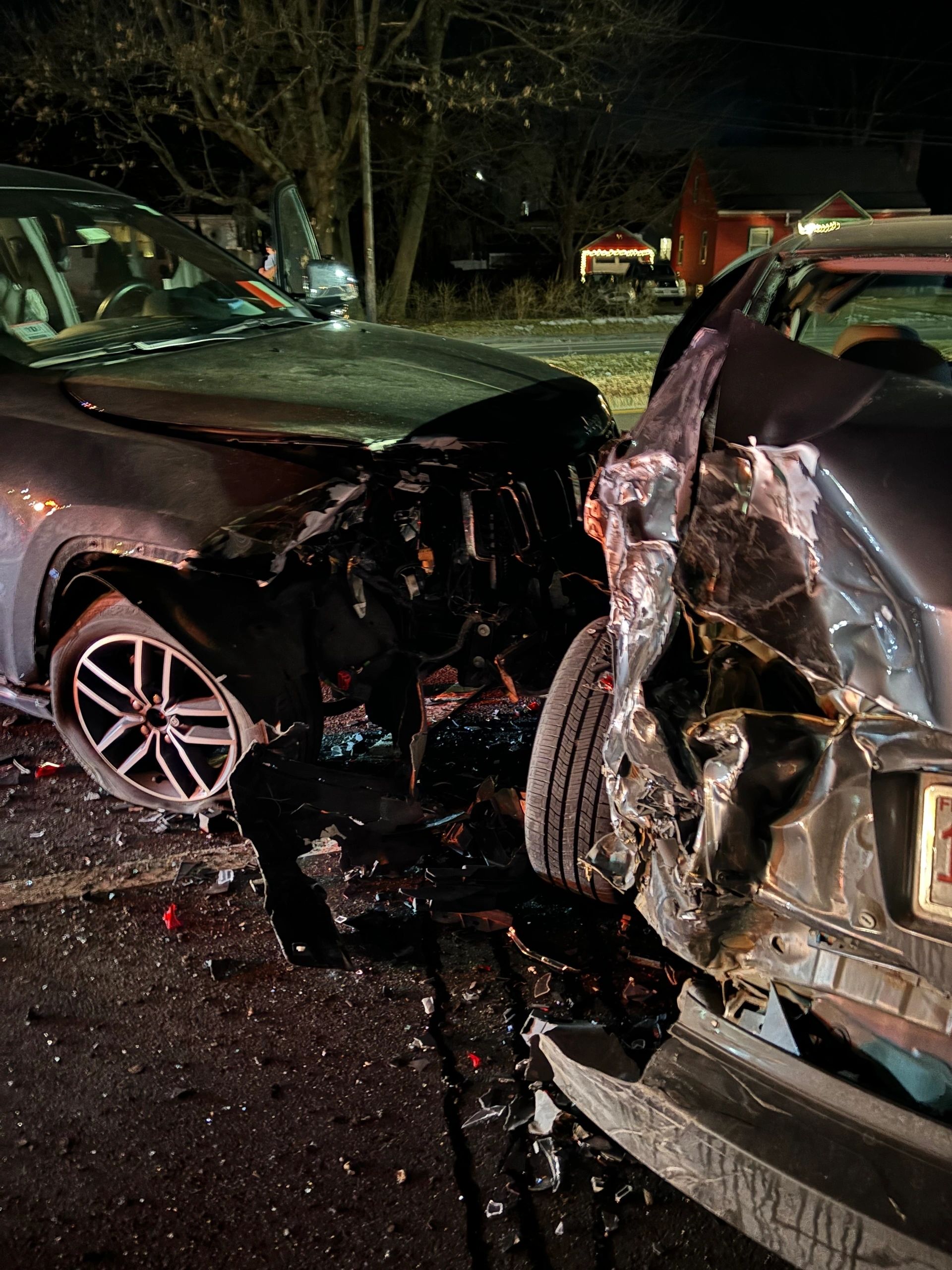
“All I hear are complaints about Mill Street and hear about accidents,” added Bethany Mann, another Worcester resident, “or cars are hit because they were parked. They’re changing stuff that doesn’t need change and leaving the actual things that need changing for God knows when. The city’s been fine without all these fixes. I, myself, almost crashed into a parked car because someone was being unsafe and not driving anywhere near the speed limit so I switched lanes only to realize there was no lane anymore and I had to swerve back in when I saw a car parked.”
‘I don’t think we can afford to wait the full year anymore’
Councilor Bergman, who has several requests filed through Worcester City Council related to the Mill Street redesign, including safety reports and an estimate on a cost to “go back to the original layout,” told the Guardian, “The intent of the redesign was to improve the safety of bicyclists and slow down vehicle traffic. There are probably more bicyclists that feel safer because they have a protected lane. But there’s an argument that it’s come at the expense of vehicle traffic. I can’t really say that there’s been a net plus.”
Bergman also addressed some of the design complexities, arguing that there are some sections of Mill Street where the bike lane winds unexpectedly from the right side of the street, totally protected against the curb, out to the travel lane in which the bike lane then weaves between two lanes of traffic.
“More significantly, though, parking cars in the middle of what used to be a travel lane is confusing,” said Bergman. “And if it’s dark out, some people may mistake a parked car for a moving car. Additionally, someone may come out of their left side driver or passenger’s door right into traffic. People are complaining that there aren’t any other streets in Worcester like this one, in that it gives the perception that cars are moving when they’re in fact parked. It’s not a traffic pattern you’d ever be used to or expect to see.”
At Tuesday’s City Council meeting, District 5 Councilor Etel Haxhiaj, an ardent supporter of the Mill Street redesign, postponed action on Bergman’s items, along with several others related to Mill Street, until the council’s next regular meeting.
Rolle maintained the city is working to address issues with the Mill Street redesign, including installing vertical delineator posts (aka “flexposts”) at select spots around the perimeter of the parking lanes to help drivers distinguish between the parking and travel lanes.
“These provide both more-pronounced visual cues and offer a physical barrier to driving in the parking lane,” said Rolle. “This work is currently out to bid. The city also recently completed final lane markings for the bicycle lanes, which more clearly distinguish them at intersections, and will be installing supplemental signs to inform drivers of the speed limit and provide instruction not to pass other vehicles.”
“There were three accidents in a 24 hour period on Mill Street in April,” Bergman added. “All happened with experienced drivers, good weather. To me, it’s not statistically reasonable to think there’s not a design issue causing that. Many people may get used to the design by driving down it many times, but what about the people from outside of Worcester that have never driven on it and are just passing through on their way to the airport or something?”
Bergman said his initial intent was to “give it a full year” before officials do a deep dive into analyzing the effectiveness of the redesign of Mill Street, but is now feeling more of a sense of urgency.
“After yet another accident, I had asked before our finance committee meeting that Steve Rolle come back with information on how much it’s going to cost to undo Mill Street, how long it’ll take, and where the money is going to come from,” he said. “I don’t think we can afford to wait the full year anymore.”
Rolle said that the most common concern he hears from Worcester residents is that drivers either don’t understand that the parking lane is not a travel lane, or choose to wilfully ignore it. Some, he said, expressed concern over the widths of the lanes and the proximity of parked cars as related to the travel lane. But in the end, he stressed that the redesign was done under the guise of experts, and it’s a design that’s happening all over the country
“The layout is in-line with national and state standards and actually provides for more space between moving vehicles and parked vehicles than on many streets in the city,” said Rolle. “Residents who have expressed support for the project most commonly note the improved separation of pedestrians and bikes from moving traffic or note that traffic speeds and aggressive driving appear to have been calmed to some degree.”
All reported crashes in Massachusetts are compiled in the MassDOT Crash Impact Database. Recognizing that there is some delay in crash reporting on the MassDOT site, the city has also been tracking WPD incident calls on an ongoing basis, said Rolle.
“As summarized in a council report dated April 2, 2024, crashes are occurring at similar rates after the reconfiguration as they did prior to it,” said Rolle, “The goal of the reconfiguration is to reduce both the frequency and severity of crashes over the longer term, and the city will continue to monitor crash records to confirm whether the project is operating as intended.”
But for residents such as LaPointe, “positive change” would likely mean returning Mill Street to its original state.
“As a mom with three kids and young drivers, it absolutely terrifies me,” said LaPointe. “After the fatal accident out front, I still think about how many times my daughter and her friends come back from going for coffees and sit in their cars out front and talk. They do this all the time (or did). I can’t stop thinking about the fact that they were on their way home and would have been getting into these cars just a short time after this accident. They wouldn’t be here today if they were in that car or getting in or out of that car.
“This situation on Mill Street is beyond dangerous and I am sure you all can see that at this point. I am sure the cost of the project is difficult to reverse or correct. But these are people’s lives that are at stake. A man has lost his life and this could have been worse if those cars were occupied. Something needs to be done.”
Matt Olszewski is a freelance content and news writer based in Boston, MA. In his free time, Matt enjoys running, hiking or skiing. Matt just graduated with his MPH from Tufts University. He can be reached at mattoskier@gmail.com
Editor Charlene Arsenault can be reached at carsenault@theworcesterguardian.org