
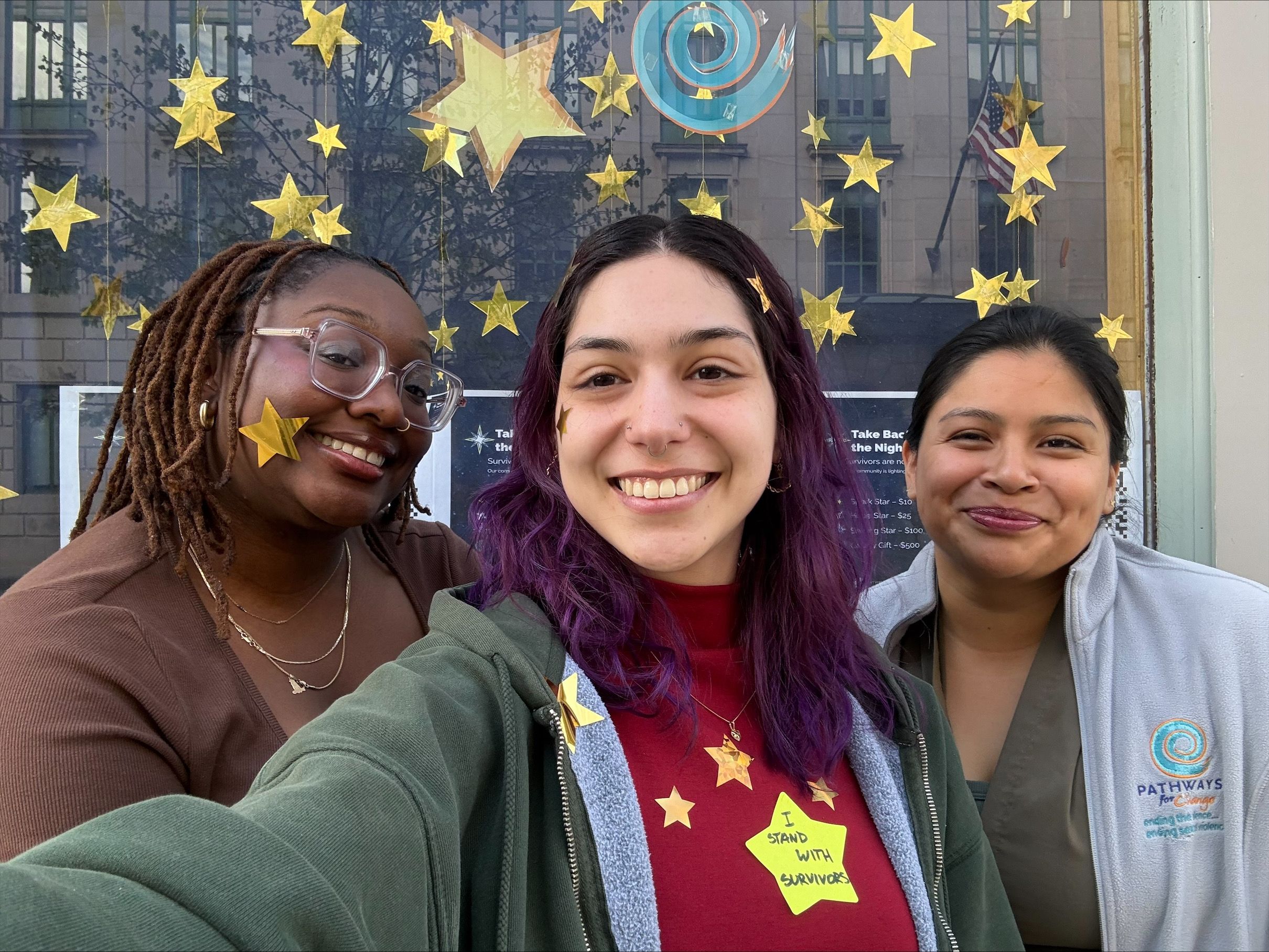
WORCESTER—The impact of sexual violence is not always visible, but it is deeply felt—shaping the lives of survivors, families and communities in ways that often go unspoken.
Advocates say that silence is part of the problem.
Despite decades of awareness efforts, sexual violence remains widespread, sustained in part by stigma and the social and emotional burdens survivors face when compared to those who have experienced other forms of trauma.
This year marks the 25th anniversary of Sexual Assault Awareness Month (SAAM), a nationwide campaign launched in 2001 to raise awareness, support survivors, and promote prevention. While the campaign has grown, advocates say its central message has not changed: sexual violence is pervasive, and preventing it requires confronting it openly.
In the Worcester area, much of that work is carried out by Pathways for Change, a rape crisis center serving 47 cities and towns across Massachusetts since 1973. The organization provides support services to anyone impacted by sexual violence and focuses on education aimed at prevention, guided by its core principle: “start by believing.”
National data underscores the scope of the issue. One in three women and one in six men experience sexual assault at some point in their lifetime. Advocates caution that those figures likely underestimate the true prevalence.
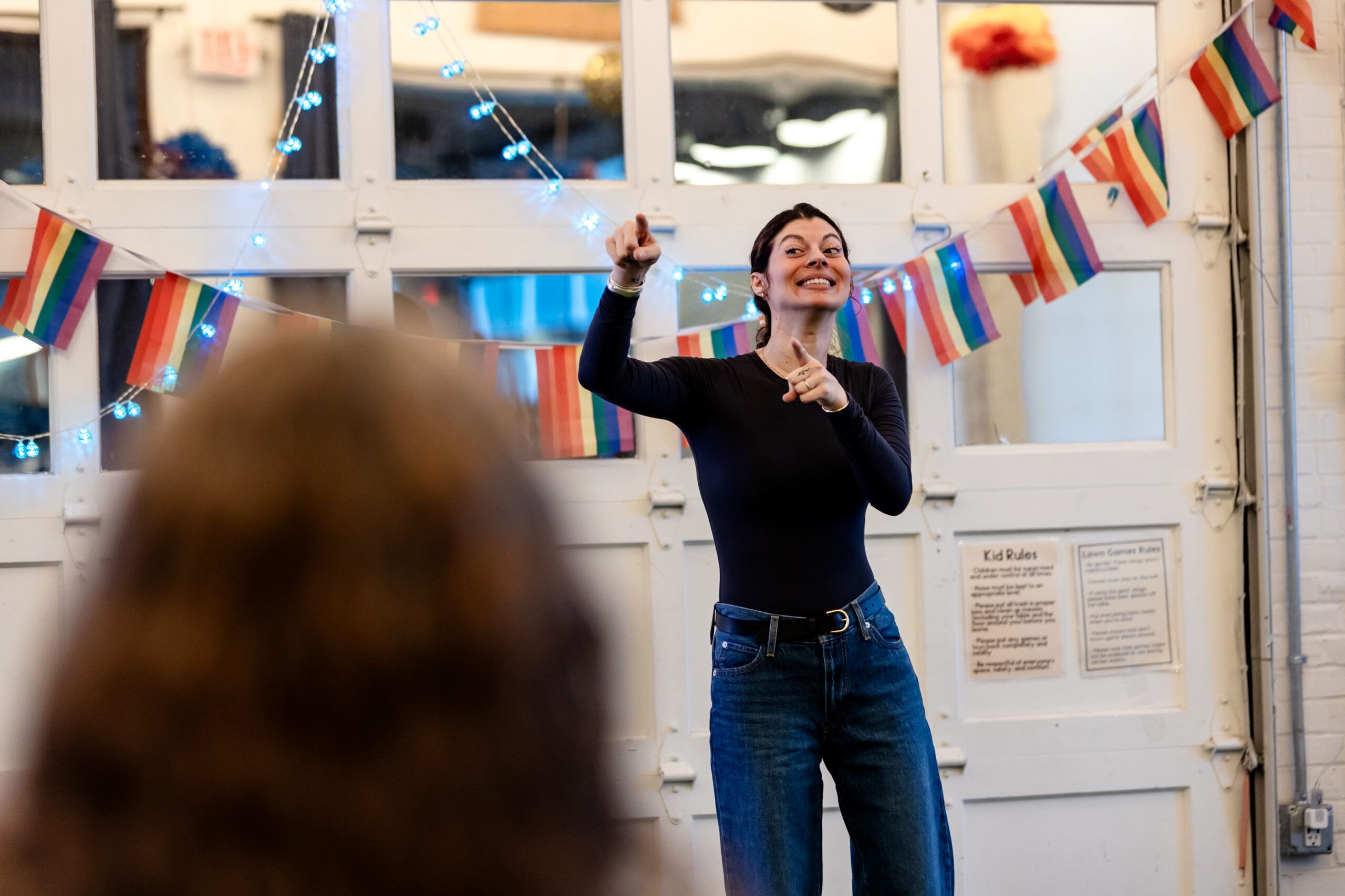
“Those statistics are based on reported incidents,” said Kim Dawkins, president of Pathways for Change. “And given that we know there are many, many survivors [and] victims who never come forward and disclose, we know that the reality is much worse than the statistics would suggest. And yes, the greater Worcester County is no exception to this.”
Efforts to address sexual violence have evolved over time. According to the National Sexual Violence Resource Center, early advocacy movements date back to the 1940s, with prevention efforts expanding significantly in the 2000s to include workplaces, schools, and college campuses. More recent campaigns have emphasized education around consent, healthy relationships, and bystander intervention.
Still, awareness does not always translate into visibility.
“And yet, here we are, in 2026, with more than 50 years of service to our shared community, still relatively unknown,” Dawkins said.
That lack of visibility, she said, mirrors the experience of many survivors.
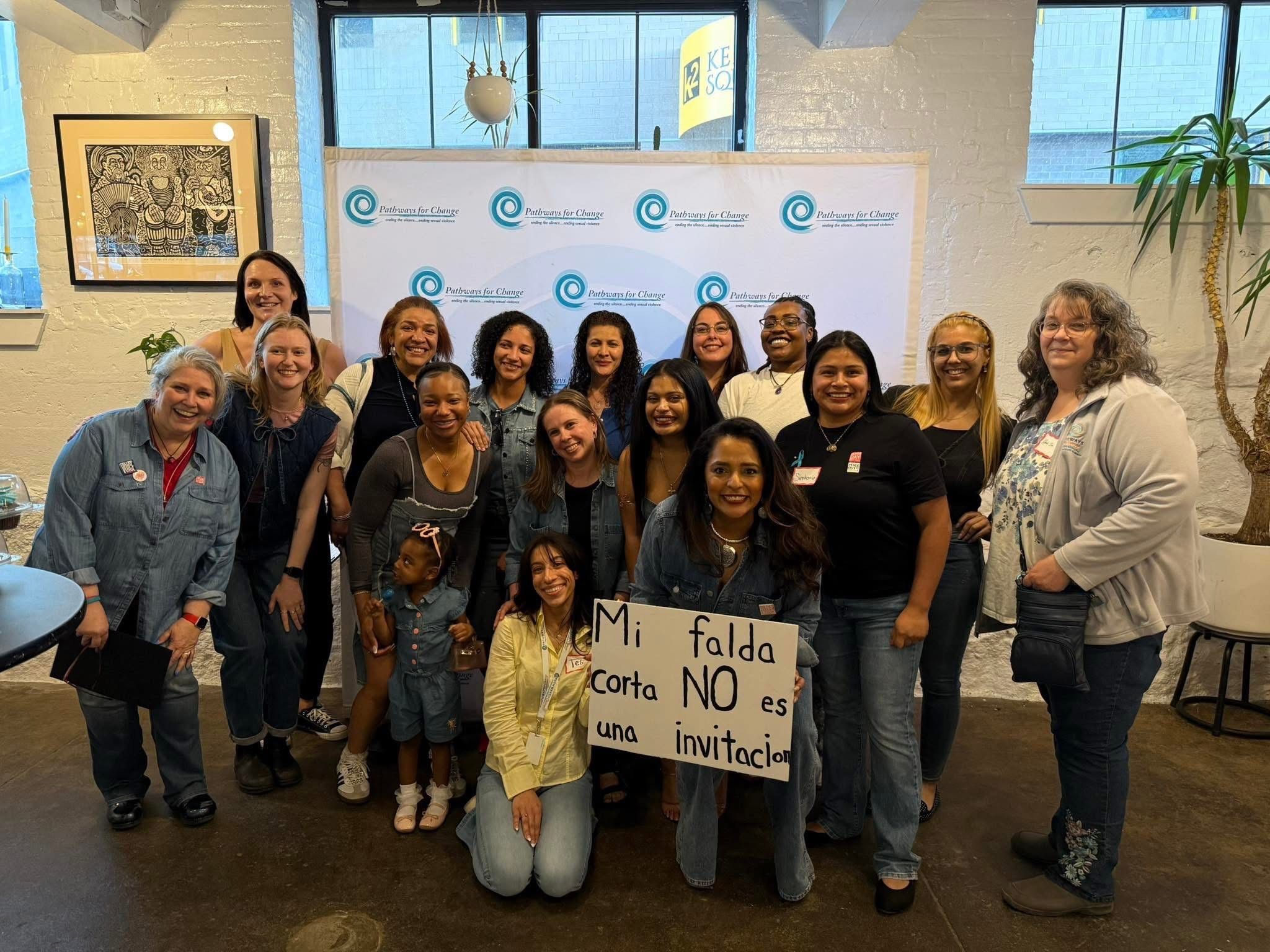
“Even though Pathways for Change provides critical and needed services, we still remain largely ‘invisible,’ very much like survivors feel,” she said.
Misconceptions about sexual violence also persist.
“One of the most common misconceptions is that sexual violence is about sex. It’s not—it’s about power and control where sex is used as the weapon,” Dawkins said.
Another common myth, she added, is that assaults are most likely to occur in isolated public places by strangers.
“When we know that most occurrences are perpetrated by someone known to the victim—not a random stranger—and the occurrence more often happens within spaces that are deemed ‘safe,’” Dawkins said, pointing to places such as homes, schools, workplaces and gyms.
Sexual violence affects people across all demographics, though some populations face greater risks.
“Barriers to accessing services and a broader culture of victim-blaming can make it more difficult for survivors to come forward, seek help and feel supported,” Dawkins said. “There are also significant financial consequences, including medical care, legal involvement and criminal justice processes, as well as lost wages, housing instability, and in some cases involvement with child protective services.”
The long-term effects can be profound. Survivors may experience a loss of identity, emotional dysregulation, and mental health challenges including anxiety, depression, and post-traumatic stress disorder.
“Survivors may experience ongoing physical and mental health challenges, as well as strain in relationships with family, friends and colleagues— particularly when others do not fully understand trauma or how to respond in a supportive way,” Dawkins said. “Taken together, these factors have a lasting, lifelong impact on individuals and, by extension, on the health and well-being of the broader Worcester community.”
Sexual assault also remains significantly underreported, with estimates suggesting that roughly 80% of cases are never reported to law enforcement.
“FBI data previously reported a 17% increase in sexual assaults in the City of Worcester,” Dawkins said. “As previously stated, however, it is difficult to know when an increase or decrease in prevalence is due to an increase or decrease in reporting.”
Local conditions can heighten vulnerability. Advocates note that Worcester sits along known human and sex trafficking routes, increasing risk for individuals without stable housing or support systems. Members of transgender, BIPOC, LGBTQIA+, and immigrant communities may also face higher risks due to systemic barriers.
In response, Pathways for Change operates a range of prevention and support programs. These include youth education initiatives in middle and high schools, campus-based advocacy focused on consent and Title IX rights, and peer-led programs promoting healthy masculinity.
The organization also provides 24/7 crisis support through a hotline, along with counseling, legal advocacy, and accompaniment services. All services are free and confidential.
“At its core, sexual violence is rooted in power and control,” Dawkins said. “Recovery isn’t linear, and the challenges can be ongoing. That’s why access to trauma-informed support and understanding communities is so critical. So, if someone does disclose to you—always start by believing. Remind them it’s not their fault, that healing is possible and encourage them to reach out to us.”
As Sexual Assault Awareness Month comes to a close, advocates say the work continues—often quietly, but with lasting impact.