
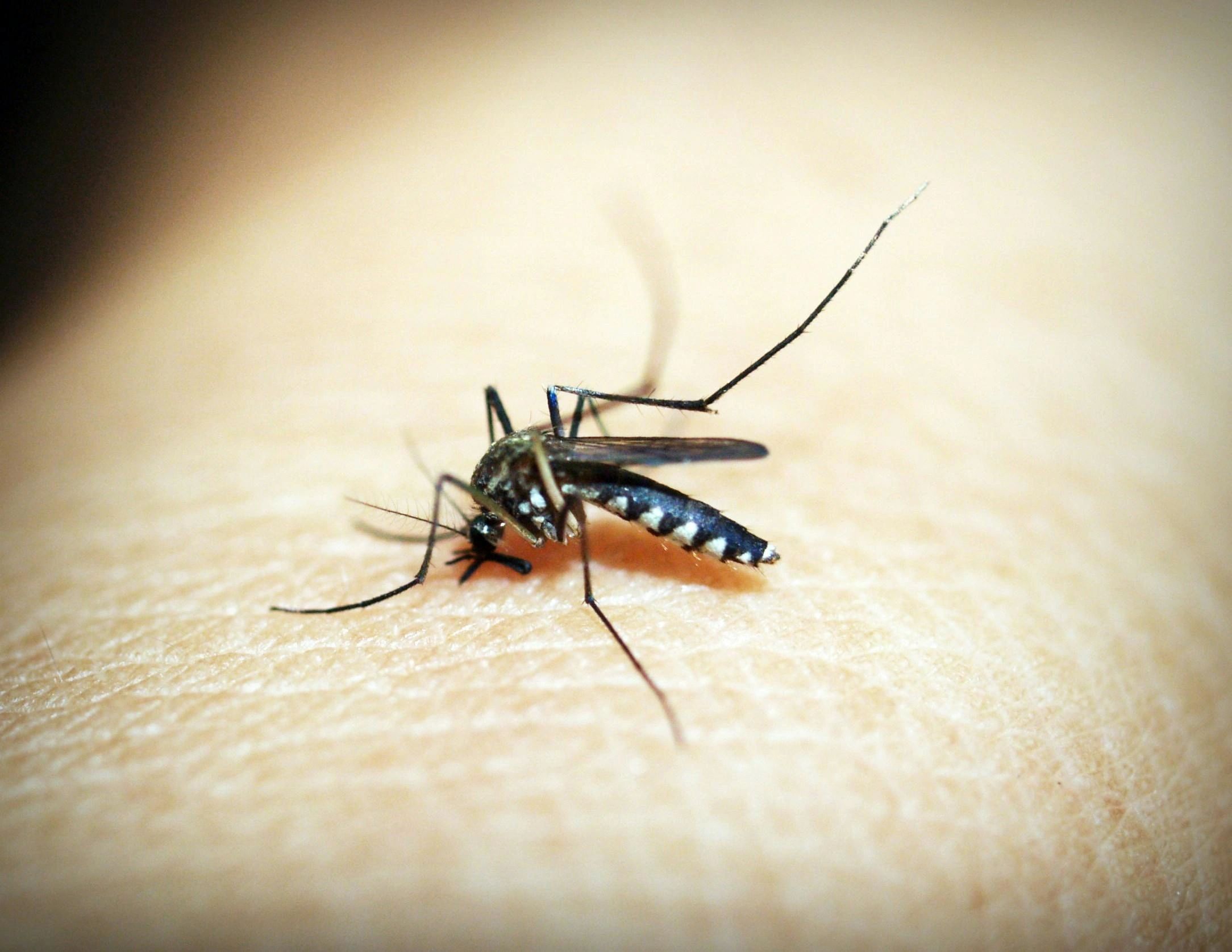
WORCESTER—A mosquito collected on Sandra Drive has tested positive for West Nile Virus (WNV), according to the Massachusetts Department of Public Health. The city’s WNV risk level remains Moderate, and no human cases have been reported at this time.
In response, the Central Massachusetts Mosquito Control Project (CMMCP) has scheduled truck-mounted pesticide spraying in the area for Monday, Aug. 5 after 9 p.m., weather permitting.
Additional tentative spraying dates include Aug. 12, 19, and 26, depending on resident requests, mosquito thresholds, and weather. No aerial spraying is currently planned.
Residents who wish to opt out of wide-area pesticide application may do so via the state Department of Agricultural Resources website.
The CMMCP also provides other mosquito control services, including ditch maintenance and abandoned pool treatments. Requests can be submitted at cmmcp.org, or by calling 508-393-3055, Monday through Friday, 7 a.m. to 3:30 p.m.
A full 2025 spray schedule is available at cmmcp.org/home/pages/2025-spray-schedules. Daily updates on specific spray locations are posted after 3:30 p.m.
The City of Worcester will notify residents in affected areas by email, text, and social media. To receive these alerts, residents should register or update contact information at worcesterma.gov/emergency-communications/alertworcester.
The CMMCP advises residents in spray areas to take the following precautions:
- Close street-facing windows and turn off outside air settings on air conditioners.
- Keep pets indoors from sunset to midnight.
- Stay indoors during and for 15–20 minutes after application.
- Rinse vegetables from home gardens before eating.
Accidental exposure is generally not harmful, the CMMCP said, but individuals with chemical sensitivities or preexisting health conditions should consult their physician. The pesticide being used is similar to those found in common flea and tick treatments for pets.
To reduce mosquito bites and the diseases they carry, residents are urged to follow the “5 Ds”:
- Dress in long sleeves and pants when outdoors
- Use DEET or other EPA-approved repellents as directed
- Avoid outdoor activity at Dawn and Dusk, peak mosquito times
- Drain standing water weekly to eliminate breeding areas
- Use screens and consider treated clothing for added protection
WNV can infect people of all ages, but those over 50 are at higher risk of severe illness. Most cases are asymptomatic or mild, but some can cause flu-like symptoms or, rarely, more serious complications.
The Worcester Division of Public Health works with MDPH on ongoing mosquito surveillance. If a human case is confirmed, WDPH Nursing will follow its standard case management procedures.
According to state data, Massachusetts reported 19 human cases of WNV in 2024.
More information on WNV and Eastern equine encephalitis is available at mass.gov/mosquito-borne-diseases. Suspected animal cases should be reported to the Massachusetts Department of Agricultural Resources at 617-626-1795, and to MDPH at 617-983-6800.
Have news, tips, or a story worth telling? Reach Editor Charlene Arsenault at carsenault@theworcesterguardian.org—because good stories (and great scoops) deserve to be shared.
- The Worcester Guardian is an independent nonprofit news organization. Support local journalism by making a DONATION today.
