
WORCESTER—After two rounds of revisions, the Worcester City Council on Tuesday approved new tax rates for 2026, setting a residential rate of $13.28 per $1,000 of assessed value and a commercial rate of $29.06. The residential rate increases by 9 cents, raising the median homeowner’s tax bill by $169, or 3.4%. The new commercial rate is up from $28.61, increasing the median business bill by $568, or 4.24%.
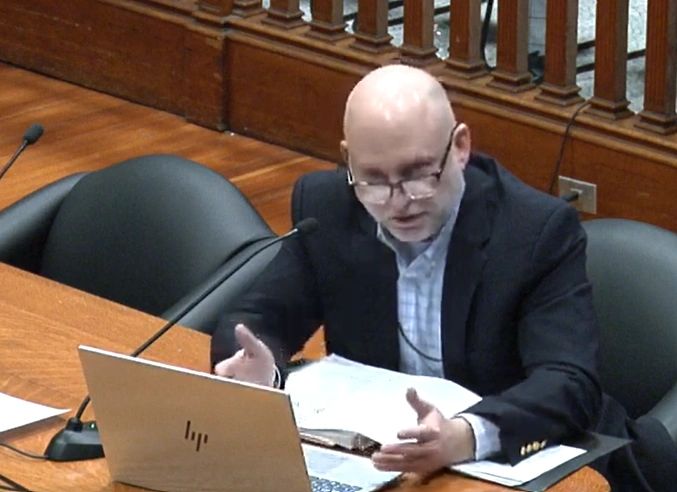
Councilors were presented with 269 possible rate combinations and ultimately selected option 269, which carried the lowest residential increase. Councilor Kate Toomey had proposed option 267, which would have set residential and commercial rates at $13.30 and $28.98, respectively, arguing it aligned more closely with recent years’ percentage increases. But Councilor Morris Bergman backed option 269, noting that there is never a choice that is universally popular.
“This is one of the nights I least like coming to city council, because it seems like you can’t make anybody happy,” Bergman said. “We just don’t make a lot of friends when we do this, and they’re difficult decisions.”
Bergman said he favored the option because many residential properties fall above the mean value, meaning “40% of the property owners of residential properties tax bills will be higher, no matter what number we pick.” He added that only 44 of the city’s businesses would see tax increases at that option. Bergman also said he plans to propose reclassifying residential buildings with nine or more units into the commercial tax category, estimating that about 1,000 properties would shift and generate roughly $18 million.
Councilor Jenny Pacillo said residents need relief amid rising costs for housing, healthcare, utilities and groceries, while essential services such as fire, police and public works also strain budgets. “There has to be a better way than sitting here every December and fighting each other. It shouldn’t be residents vs. commercial,” she said. “This is mostly about how do we keep Worcester livable for people here?… Every little bit counts.”
Pacillo said Toomey’s proposal was reasonable because it kept the residential rate low while slightly reducing the commercial rate, which remains among the highest in the state. “It does send the message that the gap between residential and commercial needs to be shrunk down,” she said.
Councilor Khrystian King called for equity for residents facing rising costs, but said modest rate increases are important for the city to meet obligations. “A gradual movement toward a greater balance between commercial and residential certainly makes sense,” he said, while noting the need to examine which services are essential.
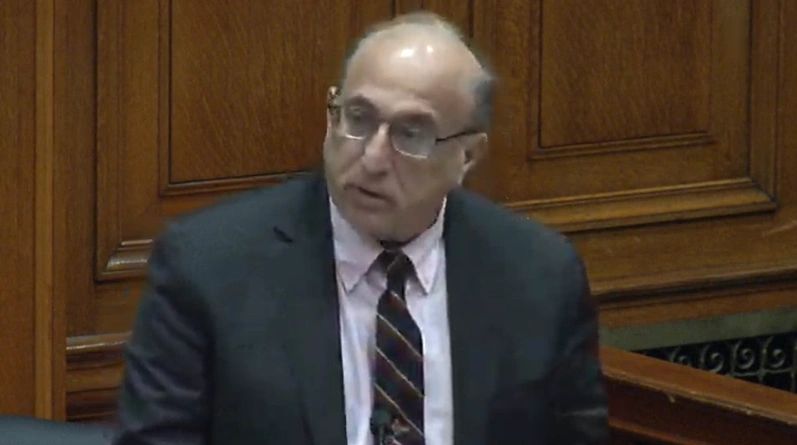
Worcester Assessor Samuel Konieczny told councilors that market adjustments were minimal this year: single-family homes rose roughly 2.7%, two-family homes 5.5%, and three-families about 3.5%. Commercial values increased 2.5%, while industrial values rose “about a half a percent.” He also noted continued growth and the conversion of vacant office space to mixed-use buildings.
Chief Financial Officer Timothy McGourthy said the total tax levy will rise to $421 million, up from $399 million, reflecting new homes, businesses and investment. Worcester’s maximum allowable levy is $446 million, but past council decisions leave $25.8 million in unused levy capacity—eighth highest in the state. “We’re one of the strongest communities in the state in terms of money that is authorized to be taxed, but is not taxed,” he said. “The result of that is savings to the taxpayer.”
Mayor Joe Petty added that Worcester does “a pretty good job on the budget,” noting that commercial taxes are among the highest in Massachusetts while residential rates remain among the lowest. Councilor George Russell reminded colleagues that “the tax rate is a seesaw,” arguing that the more residential rates are lowered, the more commercial rates rise.
Toomey’s proposal failed on a 3–7 vote. The final rate package was approved unanimously.
Steve Smith, a veteran reporter with 17 years at The Hartford Courant, now brings his passion for photojournalism to Worcester. An award-winning photographer, he has covered major events like U.S. soccer, pro football, and UConn basketball. He is also the official photographer for the Miss Massachusetts competition and works as a realtor. Contact him at steve@stevephotographysmith.com