
After weeks of discussion about road safety, emergency access and infrastructure concerns, the Worcester City Council voted against moving forward with a proposal to convert Viele Ave. from a private road into a publicly maintained city street.
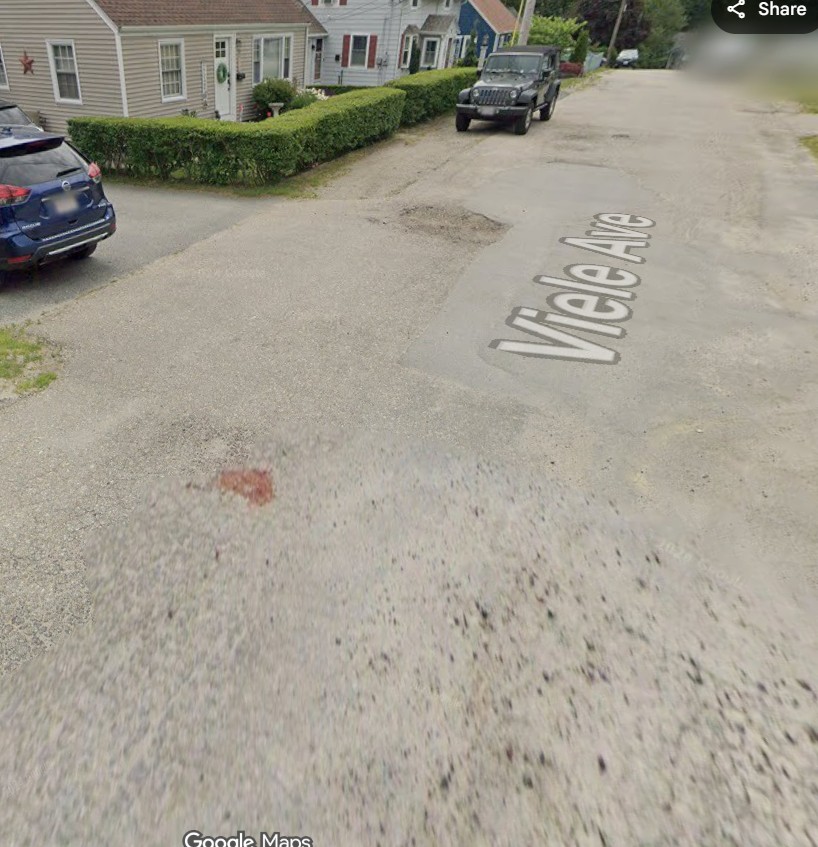
Viele Avenue is one of roughly 80 miles of private roads in Worcester. While open to public travel, residents own portions of the roadway extending from their property lines to the street’s center line and are responsible for maintenance and repairs.
The issue was the surprise hot topic of the night, drawing lengthy discussion at the meeting, where residents, councilors and Department of Public Works officials debated the future of the unusual roadway and whether public ownership would solve longstanding concerns or simply create new ones.
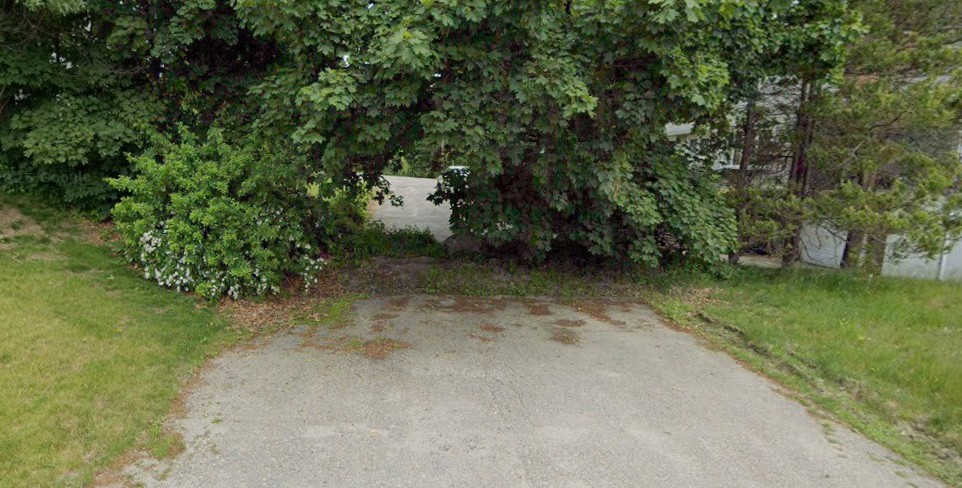
One feature that repeatedly surfaced during the discussion was what residents referred to as “the lump,” a raised divider that effectively splits Viele Ave. into two disconnected sections—one accessed from Darling Street and the other from Lorenz Street. City officials said the configuration raises concerns about emergency response access, snow removal and traffic circulation.
Resident Margot Crawford said the lump has existed since at least 1987 and that she was told it was installed by a former property owner, though she said she still does not understand how it was permitted to remain in place for decades.
“It has been there all this time,” she said. “How was he allowed to do that, if it’s not legal?”
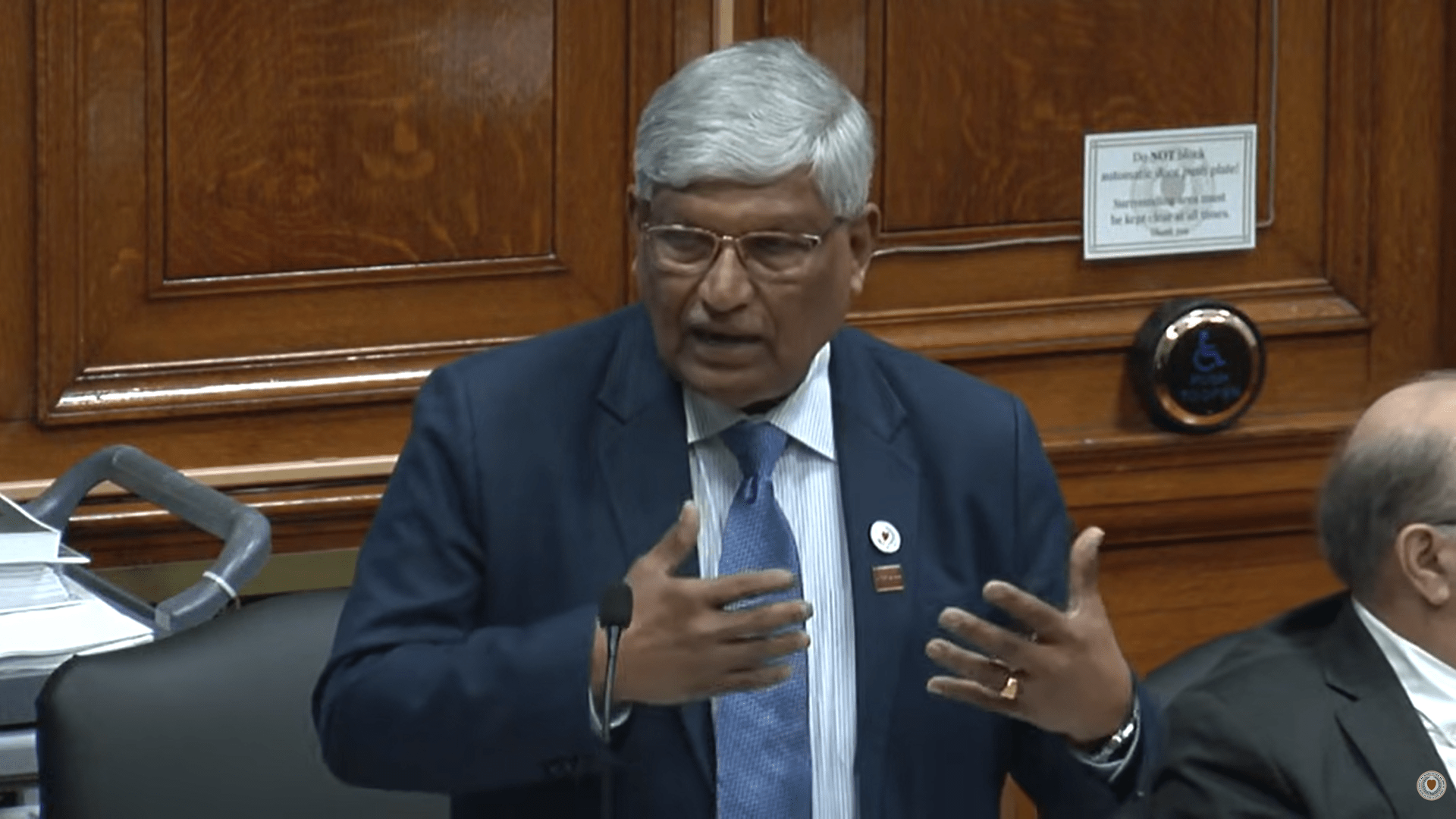
Councilor Satya Mitra said he visited the street personally and viewed emergency access as one of the most significant concerns.
“Every minute counts,” Mitra said. “It’s life-threatening.”
Assistant DPW Commissioner Jay Mello said Viele Ave. currently ranks among the city’s highest-priority roads for repair based on existing pavement conditions. He described widespread “alligator cracking,” which signals pavement reaching the end of its useful life, along with drainage issues throughout the roadway.
Still, Mello said the city could potentially assist residents with certain improvements without formally converting the road into a public street. Possible options discussed included sidewalks, traffic-calming measures and speed humps.
Councilor John Fresolo urged the council to settle the matter rather than send it back to committee, arguing that residents appeared overwhelmingly opposed to public conversion.
“It’s up to the people on that street to get the majority of people in favor of it or not,” Fresolo said.
Councilor Morris Bergman questioned whether public ownership would necessarily improve conditions.
“To me, that private street—and I hate to say it this way, but I have to — doesn’t look that much worse than a lot of public streets,” Bergman said. “There’s no guarantee that they’re going to get a street that isn’t going to get potholes down the road, and we’re going to have the same problem with that street.”
Council Vice Chair Khrystian King, who chaired the meeting in Mayor Joseph Petty’s absence, proposed a motion asking the city to further explore improvement options and what costs residents might face. Councilor Kathleen Toomey said there may still be ways for neighbors to work together with the city on improvements without pursuing full public ownership.
“There are some good things that could potentially come out of this, but I think it requires the cooperation of all the neighbors in that community,” Toomey said.
Some residents strongly opposed any change.
Resident Melinda Martin said she specifically chose to move to Viele Avenue because it was private and quiet and worried that public conversion would increase traffic and create financial burdens for homeowners.
“This would be a huge financial hardship for me,” Martin said. “This would be to the point where I don’t know what I would do. I would have to move.”
Resident Jason Quintal submitted a petition signed by 11 residents and abutters opposing the proposal. He said neighbors have historically worked together to make decisions about maintaining the roadway.
“I see that this is something that could still continue on as a private road,” Quintal said. “There are better resources for the city to be spending their money on.”
Darling Street resident Peter Stanley said he wanted more information about what a redesigned roadway would actually look like and whether it could impact nearby wooded areas or water runoff downhill into surrounding neighborhoods.
“I think a workup has to be done to show residents of Viele what it’s going to look like,” Stanley said.
Not all residents opposed the idea.
John Comeau, who said he has lived on Viele Ave. his entire life, supported making the road public and said he has witnessed multiple accidents near the unusual roadway divider, including drunk driving crashes. He also said snowplowing around the lump frequently creates problems for nearby driveways.
The council ultimately rejected a motion to send the matter back to committee on a 5-5 vote. A separate vote to adopt the committee’s recommendation also failed, effectively ending the effort to publicize the road for now.