
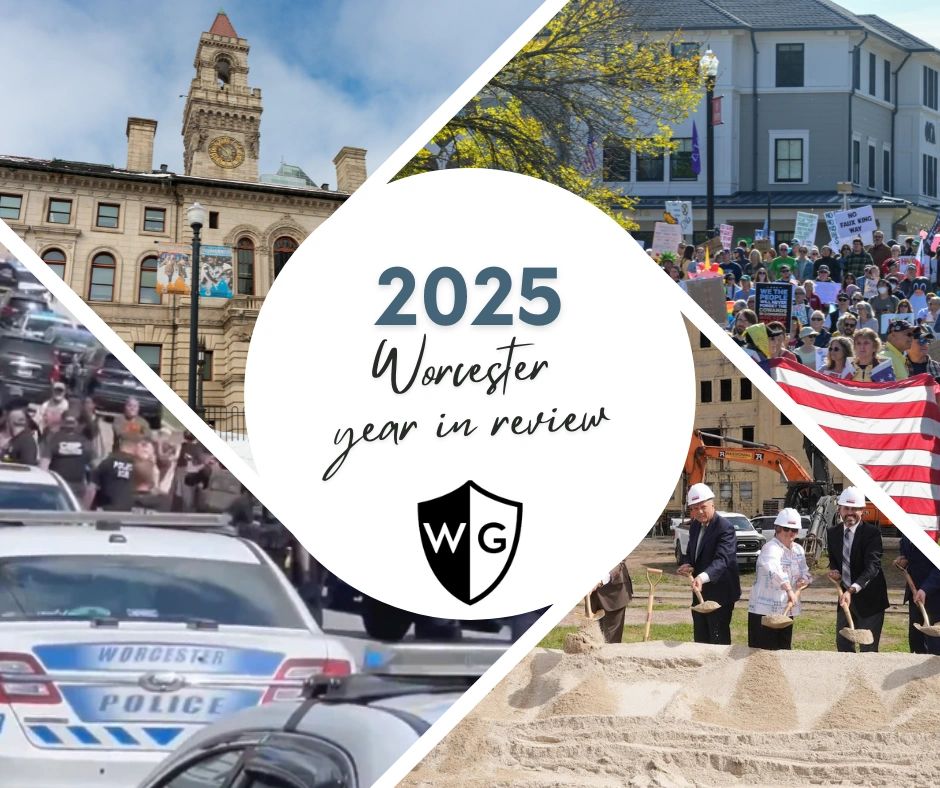
WORCESTER—This past year thrust Worcester into the open — in the streets, inside City Hall, and across neighborhoods grappling with growth, grief and change. From mass protests and policy fights to cultural loss and communal celebration, the year revealed a city testing its values while preparing for what comes next.
Government, policing & public life: A city pushed into the open
From protests and policy fights to grief, growth and political realignment, 2025 forced Worcester’s civic life into full view — often loudly, often uncomfortably — and reshaped the city’s political terrain heading into a pivotal election cycle.
That cycle ultimately reaffirmed Mayor Joseph Petty’s hold on City Hall with an unprecedented eighth term, while voters simultaneously ushered in sweeping change on the city council, setting the stage for a marked shift in its governing body for the years ahead.
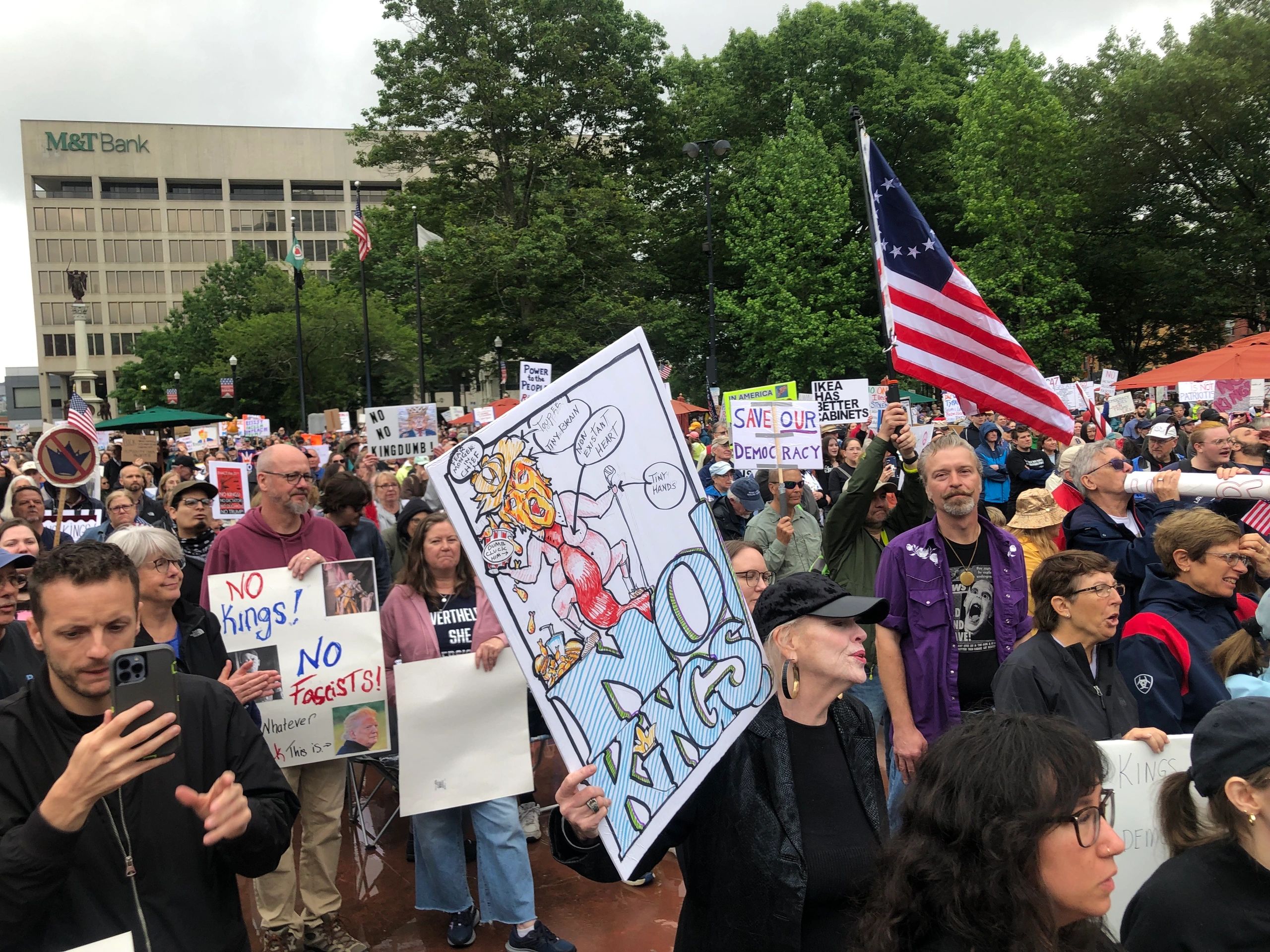
No single issue dominated the year more than immigration enforcement and the city’s response to it. A chaotic ICE arrest on Eureka Street ignited days of protests, arrests, emergency meetings and an outpouring of anger that quickly moved beyond a single incident. Demonstrators flooded City Hall and public spaces, chanting “No Kings” (along with the rest of the country) and demanding accountability from federal immigration authorities and local police leadership, while framing the confrontation as part of a broader struggle over civil liberties and unchecked power. Subsequent ICE actions in Worcester County reinforced the sense that Worcester had become a flashpoint in a national debate over immigration and policing.
“Let me tell you something,” said Congressman Jim McGovern at the first Worcester No Kings demonstration. “It is not patriotic to throw yourself a birthday party and use the military as props. It is pathetic. It has cost the taxpayers an excess of $45 million dollars. That money would be better spent rehiring all the people he laid off at the VA. This ego trip is about one thing, and that is him, and it is how he keeps himself as all powerful. He is trying to militarize our democracy.”
The political fallout from the Eureka Street incident ultimately converged around District 5 City Councilor Etel Haxhiaj, who emerged as one of the year’s most visible and polarizing figures. While many protesters publicly praised Haxhiaj for confronting ICE agents and defending immigrants, Worcester police later filed criminal charges accusing her of interfering with the operation — a case that remained pending as the year closed. The court proceedings, national media attention, and Haxhiaj’s decision to attend council meetings virtually after reporting threats placed her at the center of one of the most consequential political controversies in recent city history. Her subsequent loss in the municipal election, widely viewed as a major upset, underscored how profoundly the immigration debate reshaped Worcester’s political landscape.
And the fallout inside City Hall was immediate and sustained. The release of police body camera footage intensified scrutiny of the Worcester Police Department, while tense council meetings exposed deep divisions over transparency, public safety, and the limits of local authority. Ultimately, the city council voted 8-2 to bar Worcester police from participating in ICE’s 287(g) program — a landmark decision that marked one of the most consequential policy shifts of the year and cemented immigration enforcement as a defining political fault line.
“No towns or cities in Massachusetts currently have such agreements,” Councilor Khrystian King said. “By passing this resolution, we are making a clear statement—Worcester will not be complicit in a program that criminalizes families, undermines trust, and disproportionately targets people of color.”
Tensions spilled into nearly every corner of municipal governance. Council chambers became recurring sites of protest and confrontation, with jammed rooms, walkouts and repeated clashes over public comment rules, decorum and safety. Allegations of transphobic remarks and discrimination prompted formal apologies and public reckonings, while debates over LGBTQ+ protections, foreign policy resolutions — including calls for a Gaza cease-fire — and civilian police oversight blurred the line between local governance and global politics. The question was no longer just what City Hall would do, but who gets heard and how dissent is managed when trust frays.
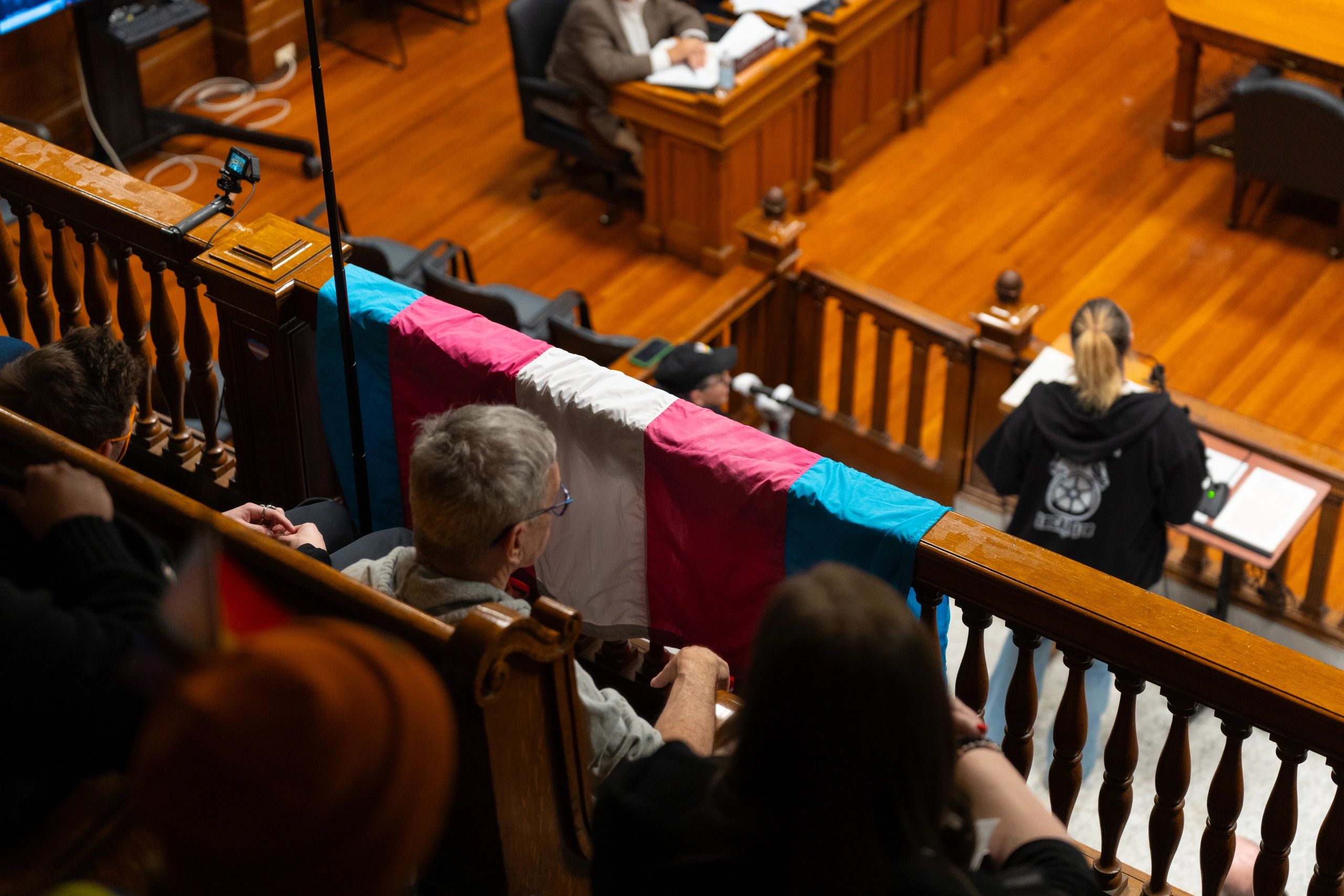
One of the most consequential reckonings centered on At-Large City Councilor Thu Nguyen, the first nonbinary elected official in Worcester. Nguyen cited persistent transphobia, discrimination and a lack of institutional support within City Hall, ultimately announcing they would step away from council duties after saying they no longer felt safe participating in person. The decision sparked weeks of public backlash, packed meetings, and repeated calls for formal apologies and structural reforms, with advocates arguing the episode exposed deeper failures in how the city protects — or fails to protect — marginalized voices in government. Nguyen’s departure marked a turning point in Worcester’s political year, forcing an uncomfortable examination of who power serves, and at what personal cost.
Public safety debates only sharpened the divide. High-profile shootings and homicide investigations renewed anxiety about violence, while the Worcester Police Department publicly pushed back against a Department of Justice misconduct report. Police Chief Paul Saucier told the Worcester Guardian he was “disappointed” and “shocked” when he first read the DOJ report.
“I know the men and women of the Worcester Police Department to be honest hard working police officers who put their lives on the line every day for the Worcester community,” Saucier said. “We are not perfect, as we too are human beings who make mistakes. When mistakes are made, we will hold our officers accountable and use progressive discipline.”
City leaders revisited how police leadership is selected, debated the future of ShotSpotter technology, and approved heightened security measures at City Hall itself — a symbolic marker of a year in which governing often felt defensive rather than deliberative.
All of this unfolded against mounting financial pressure. City Manager Eric Batista advanced a nearly $948 million FY26 budget while warning of federal funding uncertainty and escalating local needs. Worcester Public Schools introduced equity-based budgeting, signaling a philosophical shift that drew both praise and concern. At the same time, debates over college endowment contributions, tax rates and capital spending showed how difficult balancing the books had become in a city facing simultaneous housing, education and public safety demands.
Housing and homelessness remained unresolved and increasingly urgent. While Worcester approved major developments, secured grants and expanded funding commitments, the scale of need continued to outpace progress. Councilors pressed for emergency plans as shelter capacity strained, while long-term strategies — including zoning changes, preservation funding and proposals for tiny homes — sparked debate over what meaningful solutions actually look like.
The year was also marked by loss and transition. The deaths of prominent civic figures such as Bill Coleman and former Police Chief Gary Gemme prompted reflection on Worcester’s past, while retirements and leadership changes — from public health to public works to policing — reshaped the city’s institutional landscape. Alongside other losses, the death of Rep. Jim McGovern’s daughter Molly McGovern prompted a rare moment of collective mourning that reached far beyond City Hall.
Even moments of celebration, from historic recognitions to symbolic gestures inside City Hall, carried an undercurrent of reckoning.
By the end of summer, the political future was already taking shape. Mayoral fundraising battles, campaign finance violations, recounts and crowded at-large council races signaled an unusually competitive cycle. That tension carried through Election Day, with Petty securing another term and newcomer Jermoh Kamara’s narrow loss in the at-large council race prompting a recount request that ultimately left the results unchanged, with Morris “Moe” Bergman keeping his seat.
The conflicts that defined Worcester in 2025 did not resolve themselves — they organized, hardened and moved closer to the ballot.
Education: leadership turnover and a system under strain
Education in Worcester in 2025 was defined less by stability than by transition and tension, with leadership changes and cultural debates colliding with budget pressure and safety concerns.
Worcester Public Schools spent a good chunk of the year navigating upheaval at the top. Superintendent Rachel Monárrez’s departure set off a prolonged transition that ended with the appointment of Brian Allen, who stepped into the role amid a proposed $586 million budget, staffing shortages and rising disciplinary incidents. The school committee publicly wrestled with grading reform, equity-based budgeting, special education supports, and how quickly change should come — debates that often mirrored the city’s broader political divisions.
“I think the strategic plan is a pretty laid out document with many aims under each of the six key priorities,” said Allen. “If you look at the budget document, right in the executive summary I think, it shows resource allocation, which I consider to be my expertise, and how we’re supporting that area. The current superintendent has done an amazing transformational job in systems and structures for Worcester Public Schools. I think we’re getting to a point where there are still some improvements needed where we can go deeper into some of those strategic plans. That’s where I feel I’ll be leaving my mark on the district.”
School safety and climate moved to the forefront. Increases in student offenses and staff assaults prompted renewed scrutiny of discipline policies, emergency protocols and school-police partnerships. The district reaffirmed protections for students regardless of immigration status, an issue made more urgent by the city’s immigration enforcement controversies. New stop-arm cameras on school buses extended safety efforts into daily routines, even as gaps in reporting and transparency persisted.
Debates over identity, inclusion and civility regularly dominated school committee meetings. LGBTQ+ resolutions, bullying data and public conduct rules sparked emotionally charged exchanges that echoed national culture wars, pointing to how schools had become one of the most contested civic spaces.
Higher education told a parallel story of momentum shadowed by uncertainty. WPI earned R1 research status, while Clark University expanded programs in climate science, game design and global engagement. At the same time, proposed and actual federal funding cuts rattled Worcester’s research institutions. Hiring freezes, rescinded offers and delayed projects at UMass Chan and elsewhere raised alarms about the long-term health of the city’s innovation economy.
Still, progress continued. Anna Maria College secured funding to modernize nursing labs, QCC expanded workforce and entrepreneurship pathways and new programs connected students to careers earlier — from aviation pipelines to vocational education and youth workforce initiatives. Alongside policy fights and funding debates, Worcester students continued to earn honors, reach championships and build community in quieter but meaningful ways.
Business & development: growth with consequences
Worcester’s business story in 2025 unfolded as a study in contradiction: visible growth paired with deep unease.
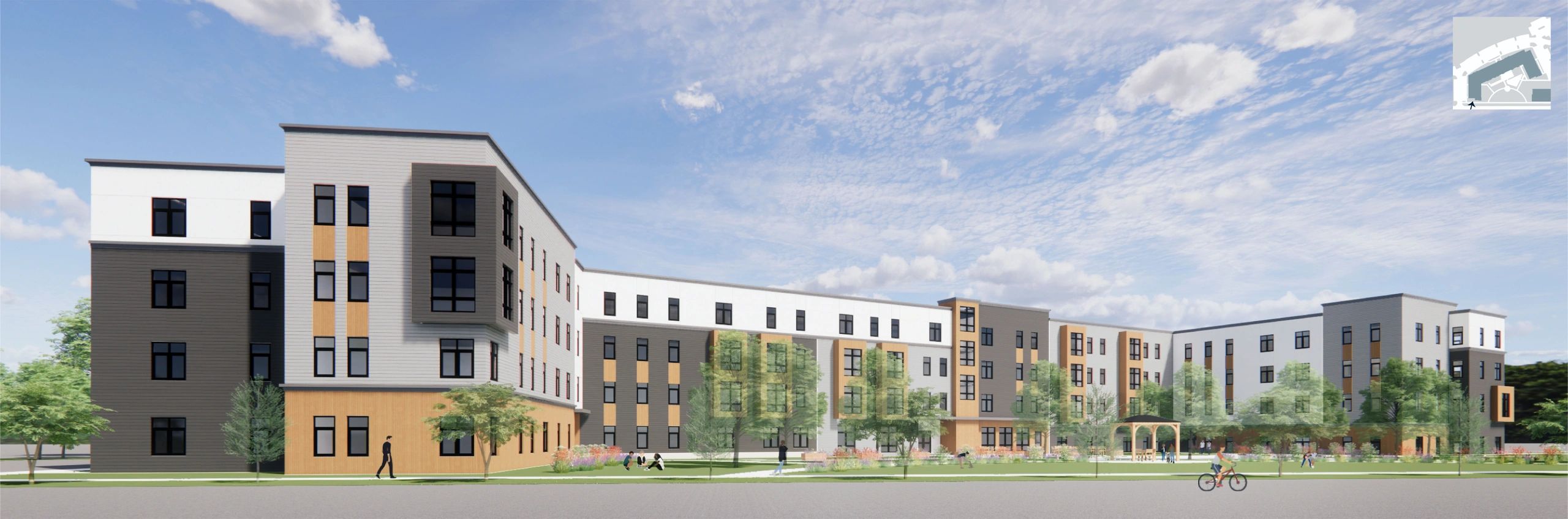
Development reshaped the city’s skyline and neighborhoods, with major downtown housing projects, large-scale public housing redevelopments and renewed attention to long-dormant sites. Worcester’s ranking among the nation’s hottest housing markets intensified debates over affordability and displacement, even as officials pushed forward with new supply and preservation efforts.
Neighborhood commerce told a more fragile story. New shops and markets opened, while longtime businesses closed under the weight of rising costs and thin margins. City programs aimed at supporting legacy businesses, minority-owned firms, and youth employment expanded, but the churn exemplified how precarious small business survival remains.
Innovation remained a bright spot. Startup accelerator Auxilium launched, cannabis equity grants delivered millions to local entrepreneurs and Worcester continued to rank highly for STEM jobs. AbbVie’s campus expansion and multibillion-dollar acquisition reinforced the city’s role in the global life sciences economy, even as federal funding uncertainty threatened the research ecosystem that supports it.
That uncertainty was real. Hiring freezes, layoffs and labor disputes rippled through higher education, healthcare and nonprofits. Saint Vincent Hospital faced intensified scrutiny following safety lapses and patient deaths, while a prominent developer’s bankruptcy reveals the risks embedded in rapid growth.
Leadership turnover reshaped major institutions, from Mechanics Hall and the DCU Center to cultural and sports organizations and media outlets. At the same time, Worcester’s civic economy showed resilience through new exhibitions, public art, business expos, and downtown events that continued to draw people in.
By year’s end, the question was no longer whether Worcester was growing, but whether it could manage growth without leaving stability — and equity — behind.
Culture, arts & food: Gathering through uncertainty
In 2025, Worcester’s cultural life continued to gather people together — even as uncertainty, loss and tension shaped the year. Festivals, parades, performances and public celebrations filled streets, parks and halls, reflecting the city’s instinct to convene, debate and create in shared space rather than retreat from it. Visitors to Worcester frequently admit they underestimated it. Whether it’s live music, exhibitions, kids’ programming, festivals, or community events, the city offers far more to see and do than many expect.
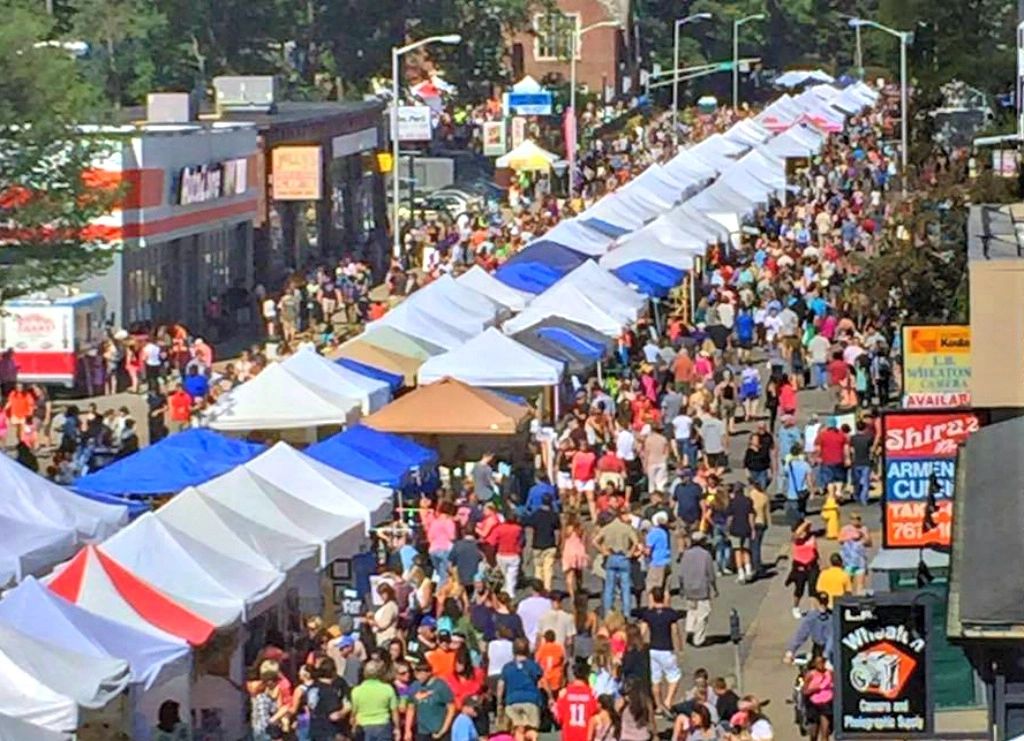
But that sense of abundance also revealed how much the city relies on a few keystone moments. In a rare and noticeable absence, Worcester went a full year without stART on the Street, the sprawling, artist-driven festival that had anchored September for two decades. Its cancellation was deeply felt, and it reopened conversations about volunteer burnout, funding pressures, and how sustainable large-scale cultural events really are.
“After much deliberation and heartfelt discussions about the future of the event,” said stART Director Tina Zlody in a statement, “we had to consider the changing priorities of our core group. The three remaining directors have decided that this is the natural end of our journey. We have accomplished so much in 20 years and hold our heads high with love in our hearts as we say goodbye.”
The city has moved toward easing permitting hurdles in response, while artists and organizers reflected on what stART had meant — not just as a festival, but as a symbol of Worcester’s creative identity. The loss extended into December as well, with no stART at the Station to mark the holiday season, reinforcing the sense that a chapter had closed.
Elsewhere, Worcester’s arts institutions navigated transition and reinvention. Mechanics Hall prepared for a leadership change, while the Worcester Historical Museum reintroduced itself as the Museum of Worcester, marking 150 years with a renewed focus on accessibility and storytelling. The Ecotarium celebrated its 200th anniversary with exhibitions, murals and community-wide programming, while the Worcester Art Museum reached a landmark agreement with Italy over contested artifacts — a reminder that local institutions increasingly operate on global stages. Public art pushed outward into daily life through mini-mural projects, redesigned waste bins, and citywide grants that placed creativity in neighborhoods rather than behind walls.
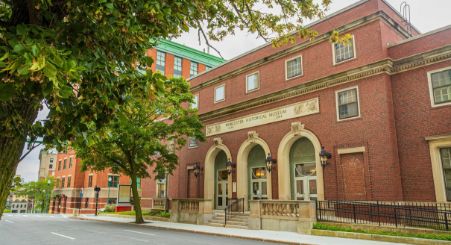
Culture was also a site of political and social reexamination. Libraries became flashpoints amid rising safety concerns and statewide debates over censorship and book bans. LGBTQIA+ advocacy groups pressed city leaders to move from symbolic support to concrete action, while Pride Worcester publicly voiced frustration over permitting and city backing ahead of major events. Student protests, including opposition to potential program closures, reflected broader anxiety over arts education and institutional priorities. At the same time, Worcester was repeatedly recognized for inclusion and accessibility, highlighting the tension between aspiration and execution.
Music, theater and performance remained vital connective tissue. Polar Park doubled as a cultural venue, hosting literary events, storytelling nights and celebrations that blurred the line between sports and the arts. From burlesque shows and blues reunions to chamber music announcements and major touring acts at the DCU Center, Worcester’s stages stayed busy — even as longtime media and cultural figures marked retirements, transitions and legacies.
Food told its own version of the story. New openings and markets brought energy and experimentation, while beloved longtime businesses closed their doors, showing the fragility of small, independent operations. Restaurants, schools and nonprofits intersected through charity meals, cook-offs and community giveaways, reinforcing food’s role as both celebration and lifeline. Policy debates — from backyard chickens to gratuity protections and cannabis consumption rules — revealed how food culture increasingly overlaps with governance and equity.
Across it all, culture in Worcester during 2025 was not an escape from civic strain, but a reflection of it. Whether through protest or parade, remembrance or reinvention, the city continued to show that gathering itself is an act of persistence — and that even in a year marked by change, Worcester’s creative life remained deeply, stubbornly communal.
Sports: where Worcester always shows up
In 2025, sports in Worcester once again proved they were never just about the score. They were about identity, memory and the way a city shows up for itself — in packed stadiums, crowded gyms and moments of shared celebration or loss.
At the professional level, Polar Park continued to anchor both Worcester’s sports calendar and its civic life. The WooSox delivered on-field milestones, including extended winning streaks and long-awaited MLB call-ups, while also earning national recognition as one of the top Triple-A franchises in baseball. Former fan favorites reached personal milestones, and the team navigated the realities of a quiet Red Sox trade deadline, all under the watchful eye of a fan base that has made the ballpark part of its routine.
Off the field, Polar Park functioned as far more than a stadium, hosting events that blended baseball with storytelling, including literary festivals, Women in Sports Day, and evenings where legends like Peter Gammons and Dan Shaughnessy shared memories alongside the game itself.
Hockey remained deeply woven into Worcester’s winter identity. The Worcester Railers leaned into the city’s long-standing hockey roots through heritage nights, charitable initiatives, and community partnerships, even as the team narrowly missed the playoffs for another season. Roster moves, including the re-signing of team captain Anthony Repaci and the acquisition of Shrewsbury native Walsh, underscored the organization’s commitment to local ties. At the same time, nearing the end of the year labor uncertainty across the ECHL cast a broader shadow over the league, reminding fans that the business of hockey remains as consequential as the game itself.
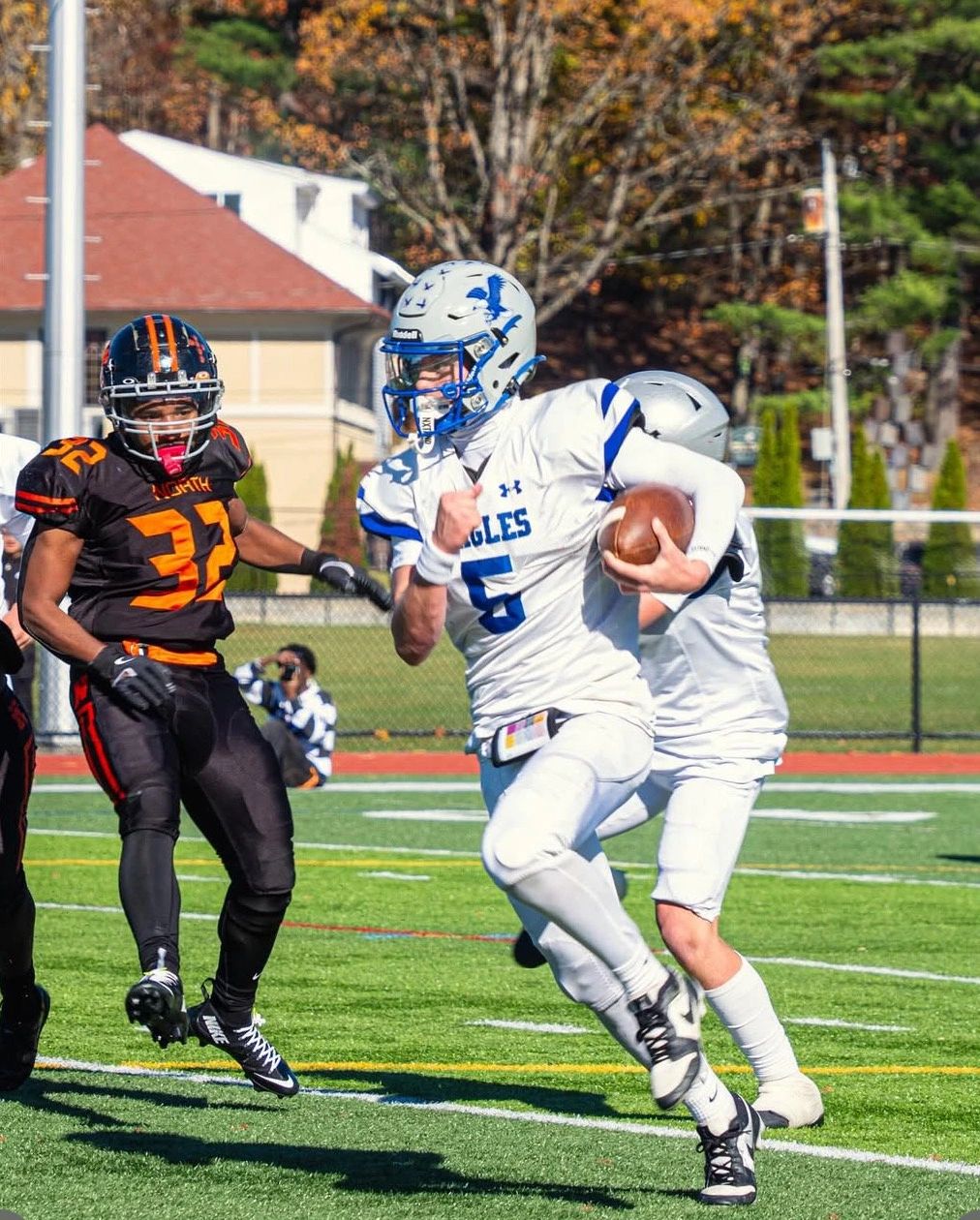
Collegiate and high school sports delivered some of the year’s most compelling moments. Worcester’s presence on the national stage was unmistakable as four local college basketball programs earned NCAA tournament bids, while Holy Cross celebrated athletic excellence with the induction of six figures into its Athletic Hall of Fame. At the high school level, championship aspirations played out under bright lights, most notably with South High’s girls basketball team making its second straight run to a state final, galvanizing school pride and citywide support. Record-setting seasons followed elsewhere, including Notre Dame Academy volleyball’s historic 17-win campaign, while new opportunities emerged as girls flag football cleared early hurdles toward broader adoption.
Beyond elite competition, youth and grassroots sports continued to grow — and to spark conversation. Worcester youth teams advanced to national tournaments, runners took on marathon challenges, and participation surged across age groups. That growth brought renewed debate over facilities and funding, from pickleball court expansion to surveys exploring the future of middle school sports, highlighting how deeply athletics remain intertwined with public investment and access.
Sports in Worcester also served as a space for reflection and remembrance. The city honored longtime figures who helped shape its athletic identity, including legendary baseball ambassador Maybelle Blair, who continued stealing the spotlight at 98, and the passing of Worcester baseball icon Barry Glinski. Leadership changes, such as the departure of longtime Bravehearts general manager Dave “Peterman” Peterson, marked the close of eras, while achievements such as local coaching appointments on national stages reinforced Worcester’s role as both a proving ground and a home.
Taken together, Worcester’s sports year in 2025 told a familiar but enduring story. Whether gathering at Polar Park, filling high school gyms, celebrating milestones, or honoring those who came before, the city once again showed that sports here are never just entertainment — they are one of the ways Worcester remembers, connects and comes together.
Have news, tips, or a story worth telling? Reach Editor Charlene Arsenault at carsenault@theworcesterguardian.org—because good stories (and great scoops) deserve to be shared.
- The Worcester Guardian is an independent nonprofit news organization. Support local journalism by making a DONATION today.
