
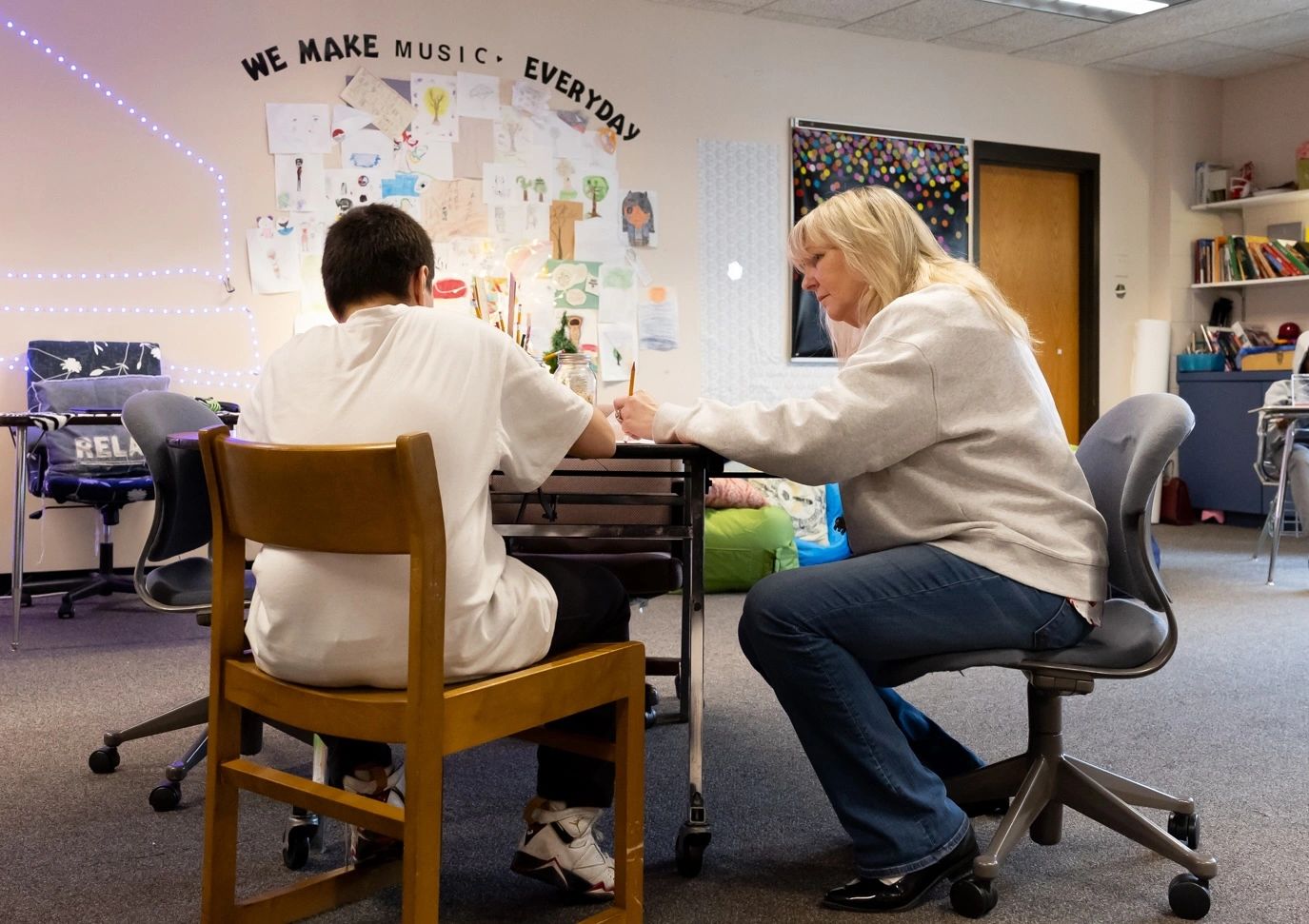
WORCESTER—As Worcester Public Schools continues to refine how it supports its most vulnerable students, Jon Fen—a former school adjustment counselor and now a district parent—has watched the system evolve from both sides of the desk.
His perspective arrives as the Worcester School Committee considers how to better serve more than 400 foster care students. Members recently decided to maintain the district’s current Wellness Room model while continuing to study outside approaches such as Framingham Public Schools’ COMPASS program.
Interest in COMPASS, but no pilot yet
The question took on new urgency after district leaders visited Framingham in October to observe its COMPASS program, a specialized support system designed for foster care youth. Built from BRYT’s two-decade-old framework, COMPASS integrates trauma-informed practices, structured re-engagement plans and close coordination with the Department of Children and Families (DCF).
Despite interest, a Nov. 17 vote to launch a COMPASS pilot in Worcester didn’t get the votes, the outcome a good example of the challenges in trying to adapt new models to complex mental-health needs in large districts.
Strong backing for current Wellness Rooms
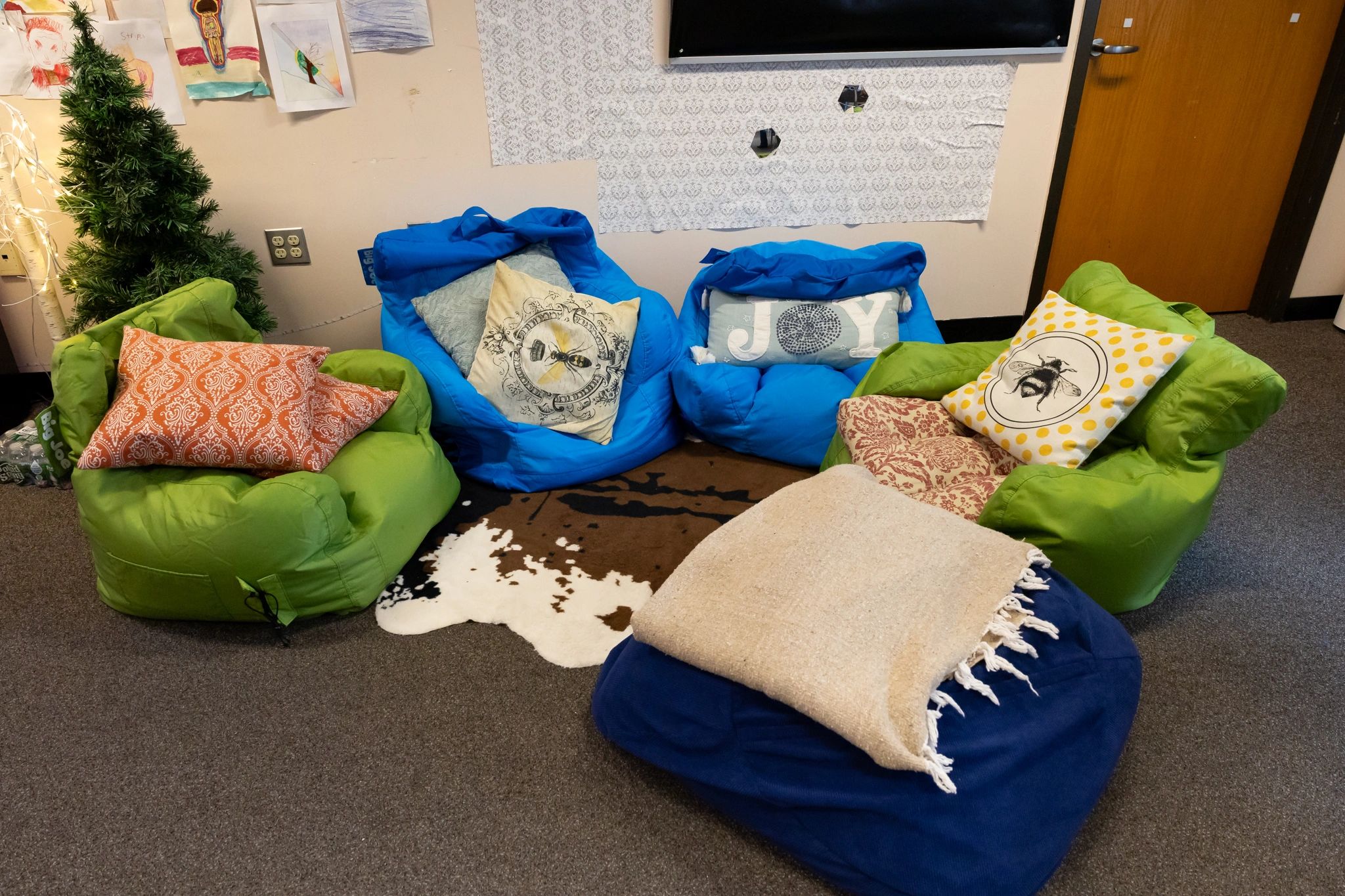
Fen believes the wellness model remains effective for many students.
“I think the Wellness Room model is appropriate and effective in general,” he said. “There are a lot of kids that are dealing with a multitude of issues and it’s helpful to have a safe space to regroup.”
Tom Toney, administrative director of Positive Youth Development, offered similar confidence.
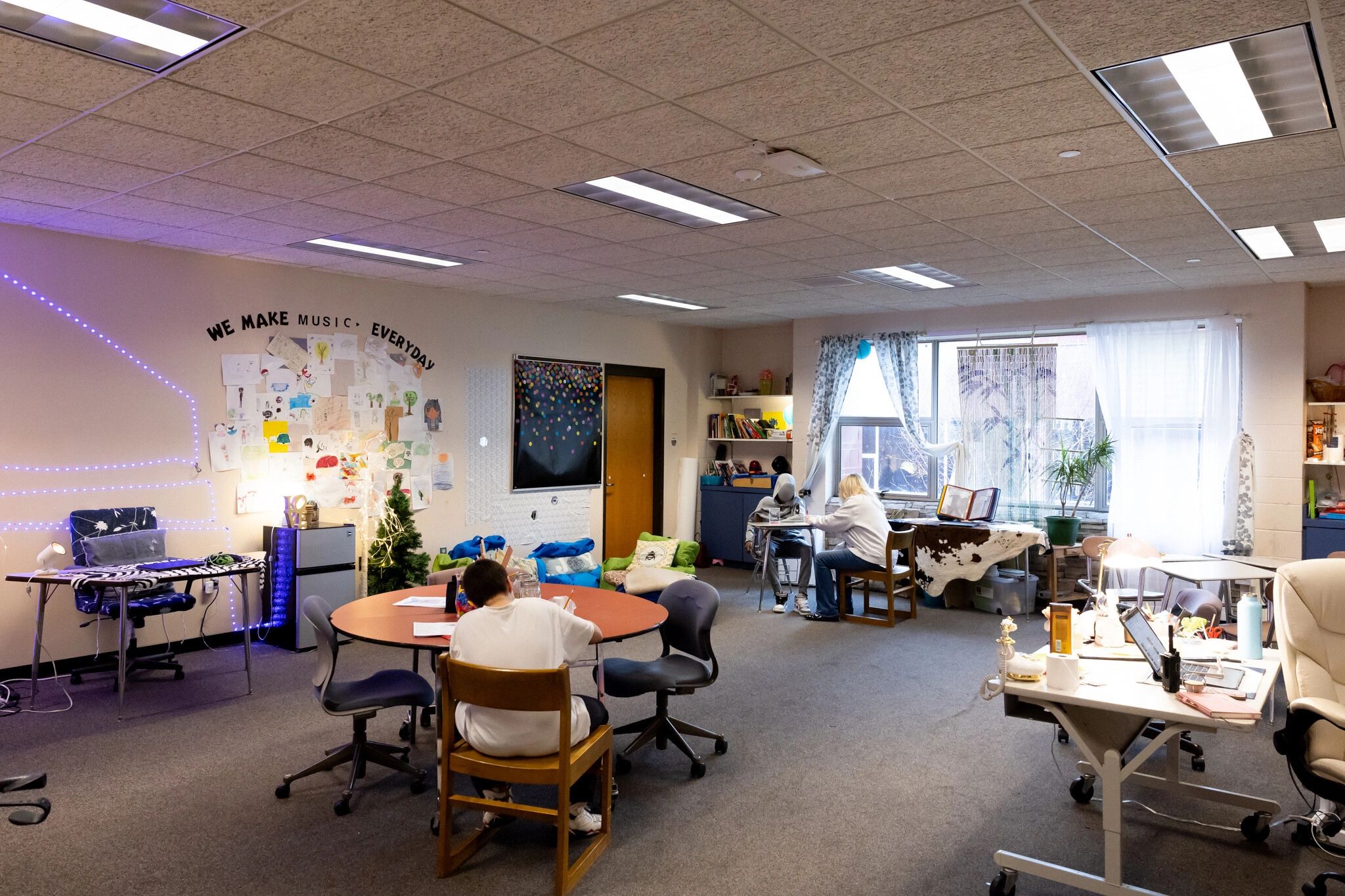
“A better way to explain a wellness room would be a reset,” he said. “It’s really a place where students can go to reset, get support and then get back to their academics and their school day.”
Toney added that the rooms serve a broader developmental purpose. “I think we have a perfect structure with this to make sure we’re supporting our students academically but also with their behaviors and their emotional needs,” he said. “The wellness rooms help students take responsibility for developing different coping skills or planning restorative actions or strengthening the school community.”
Calls for stronger coordination and staffing
Both Fen and Toney see opportunities to strengthen the existing system. Fen pointed to communication and coordination as essential.
“To my knowledge, staff generally communicate well with each other when students are directed there,” he said. “And also afterwards when they return to their typical schedule. It’s paramount that administrators be informed about support that students are receiving, from whom, how frequently, and in what manner. Then the classroom staff can properly coordinate with the SEL team about how to provide individual support in a realistic, sustainable way.”
Fen also highlighted staffing needs: “WPS can improve upon providing adequate social emotional support by having more clinical staff in schools and providing comprehensive mental health training for all direct instructional staff.”
Funding remains a major barrier, said District A School Committee Member Molly McCullough.
“Many of the barriers come down to limited, competitive grant funding that does not match the scale of need in large, high-poverty urban districts,” she said. “The application process itself is often time-consuming and requires staff capacity that districts like Worcester already stretch thin. In addition, grants are typically short-term, which makes it difficult to build sustainable programs or maintain long-term staffing. We need predictable, stable funding, not piecemeal solutions, for student mental health.”
She added that “expanding the pipeline of school adjustment counselors, mental health professionals, as well as wrap around coordinators, is critical,” pointing to partnerships with higher education and loan-forgiveness initiatives as possible paths.
What Worcester may adopt from COMPASS
Although the COMPASS pilot didn’t move forward, elements of the program resonated with district leaders.
“I do like the COMPASS model where they’re focusing on the foster kids they have and their plans after high school,” Toney said. “It’s not that we don’t do it, but that’s an area where we could improve on with all our students, not just our foster care.”
As part of ongoing improvements, Worcester intends to continue using Wellness Rooms for individualized academic and post-secondary planning for foster youth—including support with graduation readiness, post-graduation planning and exploration of alternative career pathways. Those are areas where Framingham’s COMPASS model has shown success.
The district also maintains its McKinney-Vento Student Assistance Center and Best Interest Determination meetings, while seeking tighter collaboration with DCF.
Discussion still open
Though the school committee put a pilot on the shelf for now, members signaled the conversation is far from over. More evaluation and updates are expected in the coming months as Worcester weighs how best to support foster care students both academically and emotionally.
Matt Olszewski is a freelance content and news writer who graduated with his MPH from Tufts University. In his free time, Matt enjoys running, hiking or skiing. He can be reached at mattoskier@gmail.com
