
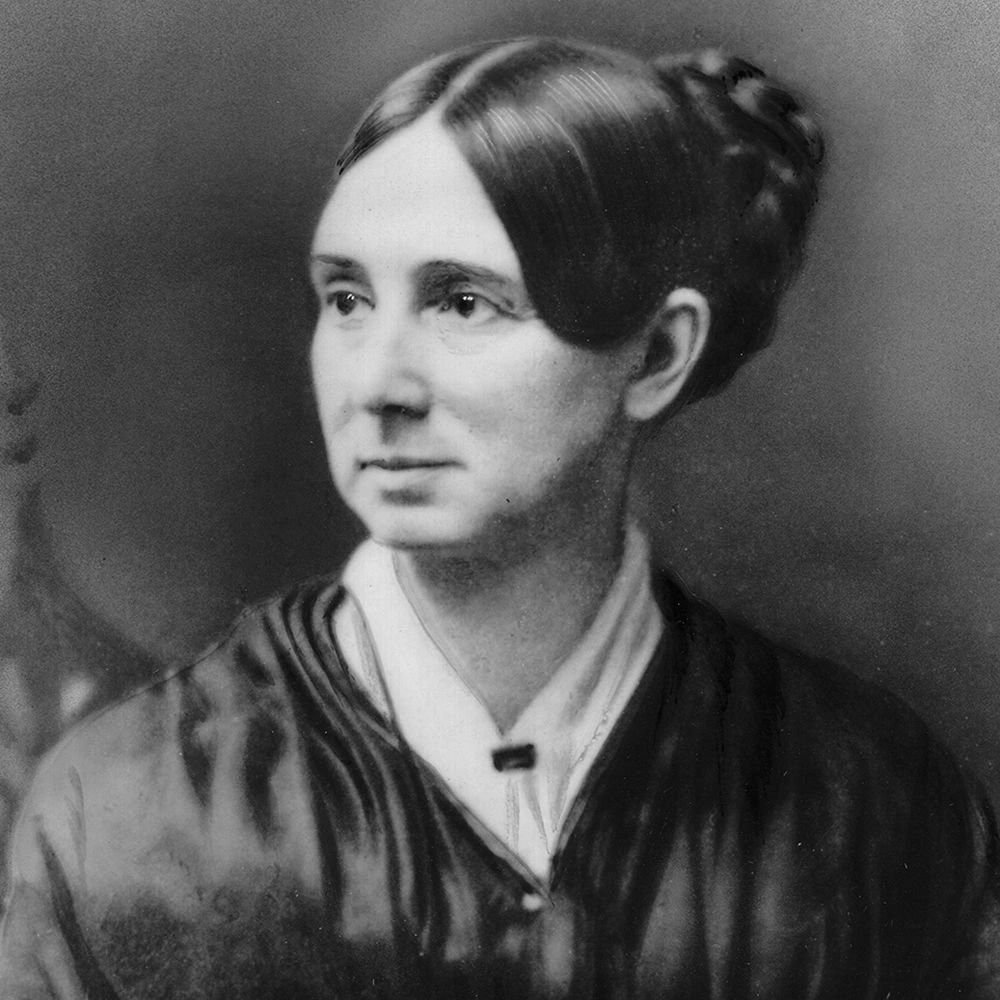
WORCESTER—A new photo exhibit at the Massachusetts State House is spotlighting 91 women who broke barriers and shaped history—several of whom have deep roots in Worcester.
HERstory: Volume III, opening for public viewing each Friday beginning April 18, 2025, is the latest installment in an ongoing effort to bring long-overdue representation to the halls of power. The portraits are displayed in Senate President Karen E. Spilka’s ceremonial office on the third floor of the State House, directly outside the Senate Chamber.
Created to address the imbalance of art honoring mostly men in the State House, the exhibit features large photo portraits placed over images of past Senate Presidents—all of whom were men until 2007.
“Massachusetts residents have always been dynamic and diverse, but our State House art has failed to fully represent them,” said Senate President Karen E. Spilka in the announcement. “It is our responsibility to make sure every resident can see themselves in the halls of power, regardless of their background.”
Among the 91 women featured are several with strong ties to Worcester:
- Dorothea Dix, who spent her early years in Worcester, was a 19th-century activist known for her groundbreaking work on behalf of the mentally ill and Indigenous people. She also served as superintendent of Army Nurses during the Civil War.
- Dr. Harriot Kezia Hunt, a pioneering physician and women’s rights activist, made history in Worcester when she addressed the first National Women’s Rights Convention in 1850. She was the first woman to apply to Harvard Medical School, though denied admission, and went on to receive an honorary medical degree from the Female Medical College of Pennsylvania.
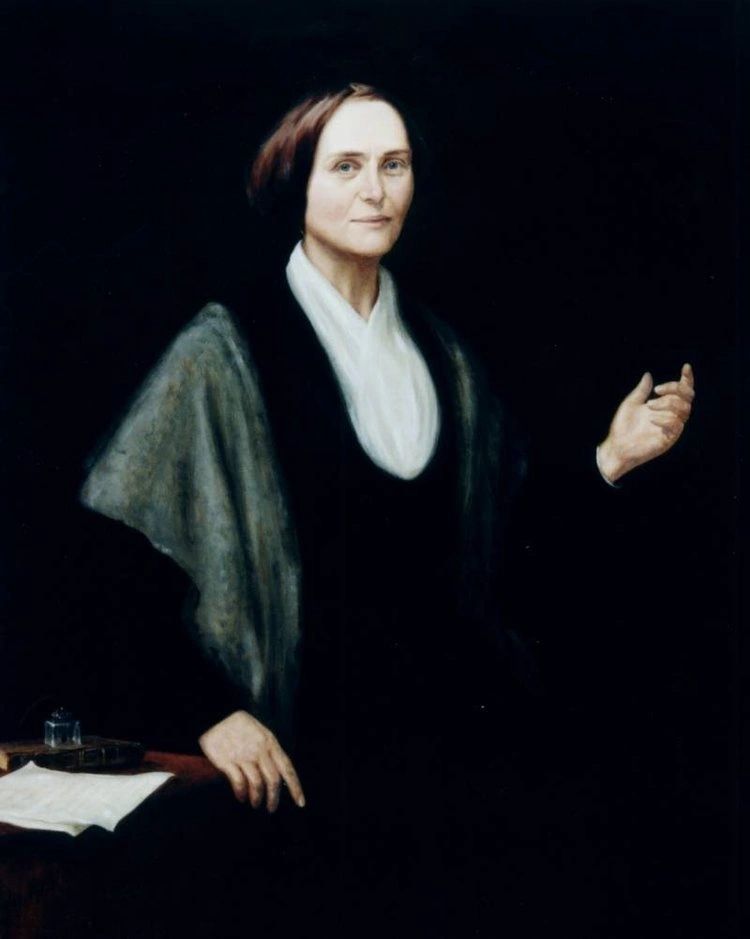
- Abby Kelley Foster, a leading abolitionist and suffragist, played a central role in organizing the first National Woman’s Rights Convention in Worcester and later helped found the New England Woman Suffrage Association. She lived in Worcester for much of her life.
- Josephine Wright Chapman, one of the few women architects in the early 20th century, left her mark on Worcester with the design of Tuckerman Hall, now home to the Massachusetts Symphony Orchestra. The building is listed on the National Register of Historic Places.
- Frances Perkins, the first woman to serve in a U.S. presidential cabinet as Secretary of Labor under Franklin D. Roosevelt, spent much of her childhood in Worcester. Perkins played a key role in shaping Social Security policy and labor protections during the New Deal era.
HERstory: Volume III continues the work of expanding inclusive representation at the State House, following recent additions like the bust of Frederick Douglass and the portrait of Abigail Adams.
The exhibit is open to the public from 9:30 a.m. to 4:30 p.m. every Friday, and all are encouraged to visit.
